Dutch users still access prediction markets despite Polymarket ban
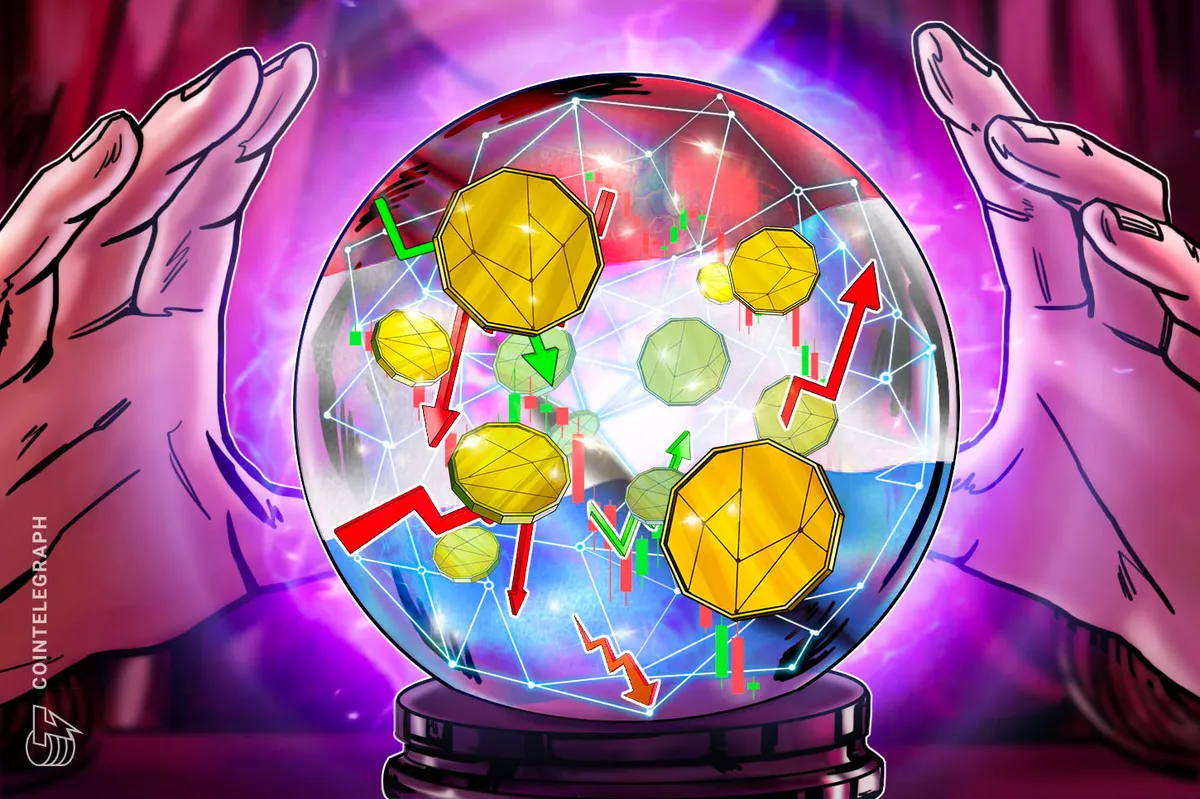
In February 2023, the Dutch authorities imposed a ban on Polymarket, a popular prediction market platform, citing regulatory concerns. Despite this prohibition, Dutch users have continued to access prediction markets through alternative platforms such as Kalshi, Hyperliquid, and Interactive Brokers. These platforms operate under different regulatory frameworks that allow them to offer similar services. This situation highlights the ongoing demand for prediction markets in the country and the adaptability of users in seeking out these financial instruments, even in the face of regulatory challenges.
The rise of prediction markets has gained traction over the past few years, especially as users seek new ways to engage with market dynamics and speculative trading. These platforms allow participants to bet on the outcomes of various events, ranging from political elections to sporting events. The regulatory landscape surrounding these markets can vary significantly from one jurisdiction to another. In the Netherlands, the government has taken a strict stance on platforms like Polymarket, emphasizing the need for compliance with local gambling laws. However, the continued availability of alternatives suggests that the market for prediction-based trading remains robust.
The persistence of Dutch users in accessing prediction markets despite the Polymarket ban may indicate a larger trend in the market. This can be seen as a testament to the demand for innovative financial products that allow users to express their views on future events. As users become more adept at navigating regulatory landscapes and seeking out compliant alternatives, we may see an increase in the number of platforms that cater to this demand. This trend could also encourage regulators to reconsider their approaches to prediction markets, potentially leading to a more favorable environment for such trading activities in the future.
Industry experts have weighed in on the implications of this situation. Some believe that the ban on Polymarket may push users toward platforms with more flexible regulatory frameworks, which could ultimately benefit those companies. Others express concerns about the potential risks associated with accessing unregulated or less regulated platforms. As this situation unfolds, the industry will likely continue to monitor user behavior and regulatory responses closely.
Looking ahead, it remains to be seen how Dutch regulators will respond to the ongoing use of alternative prediction markets. Will they take further action to enforce the ban on Polymarket, or will they adapt their regulations to accommodate the growing interest in these platforms? The actions taken by both users and regulators will play a crucial role in shaping the future landscape of prediction markets in the Netherlands and beyond. As the market evolves, stakeholders will need to stay informed and engaged to navigate the complexities of this dynamic sector.

CoinMagnetic Team
Crypto investors since 2017. We trade with our own money and test every exchange ourselves.
Updated: May 2026
From our insights:
Related news
SoFi begins stablecoin settlement on Mastercard network for program expected to exceed $25 billion in annualized volume

A $3.2 million 'bitcoin butterfly' option trade bets on $95,000 by the end of October
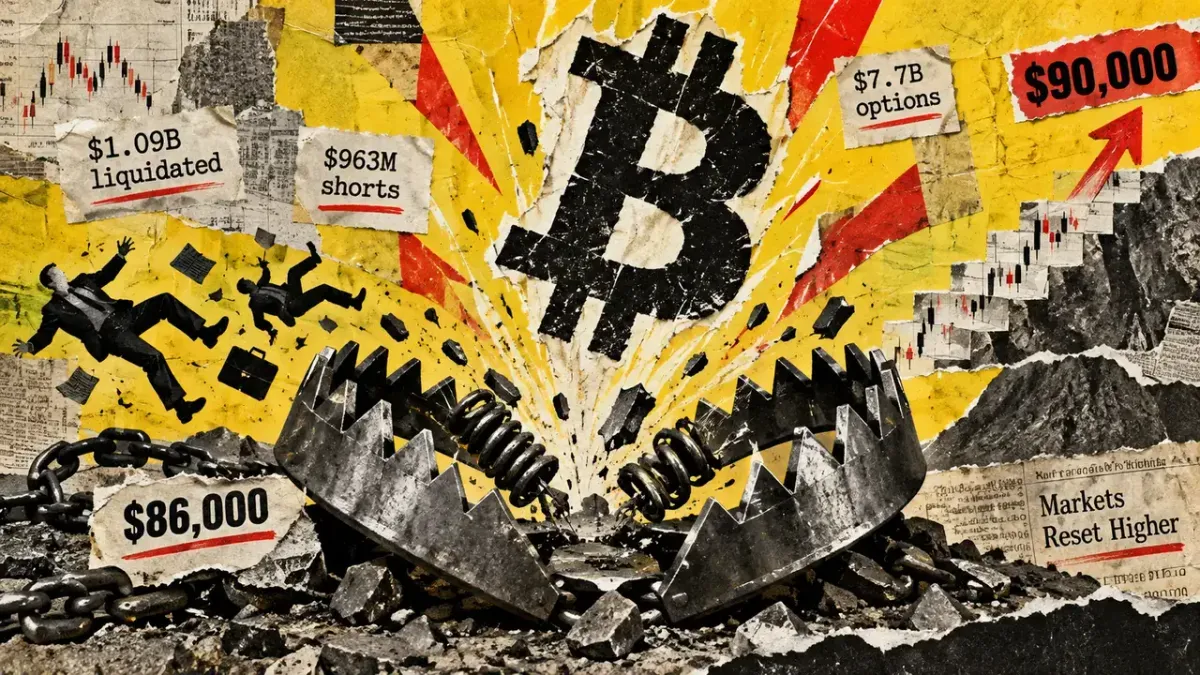
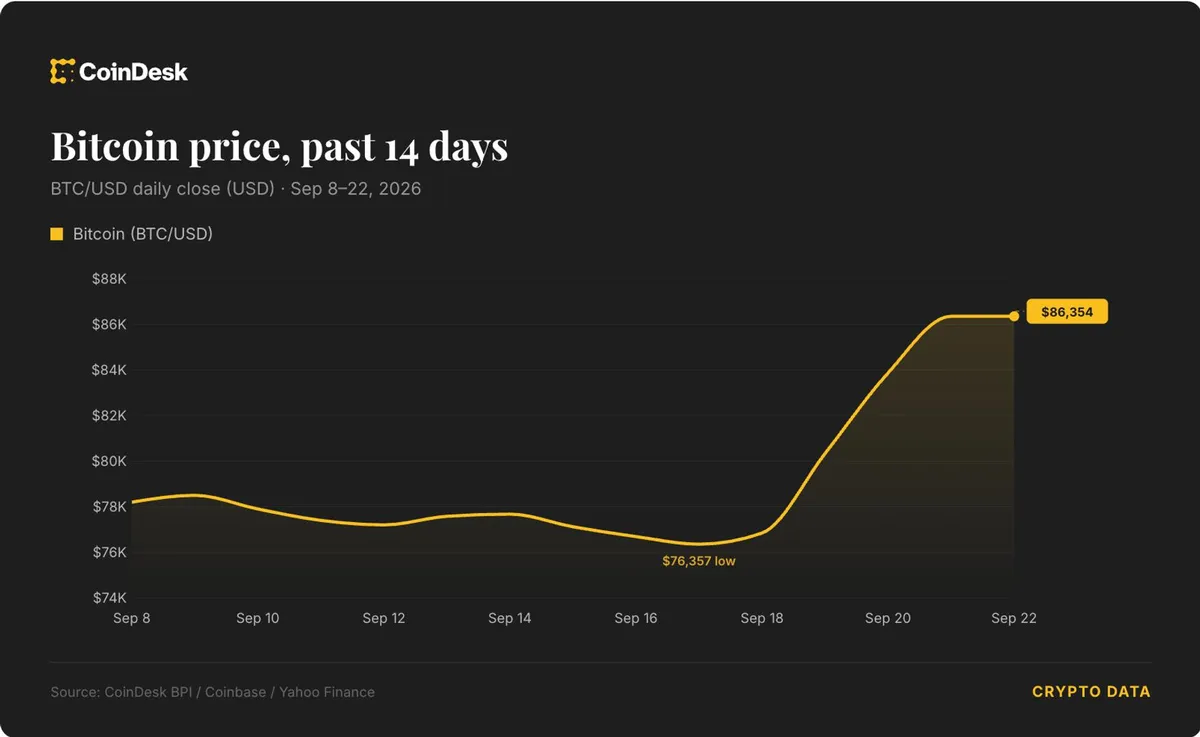
Bitcoin surges past $86,000 as $1 billion in shorts are liquidated, eyes on $90,000
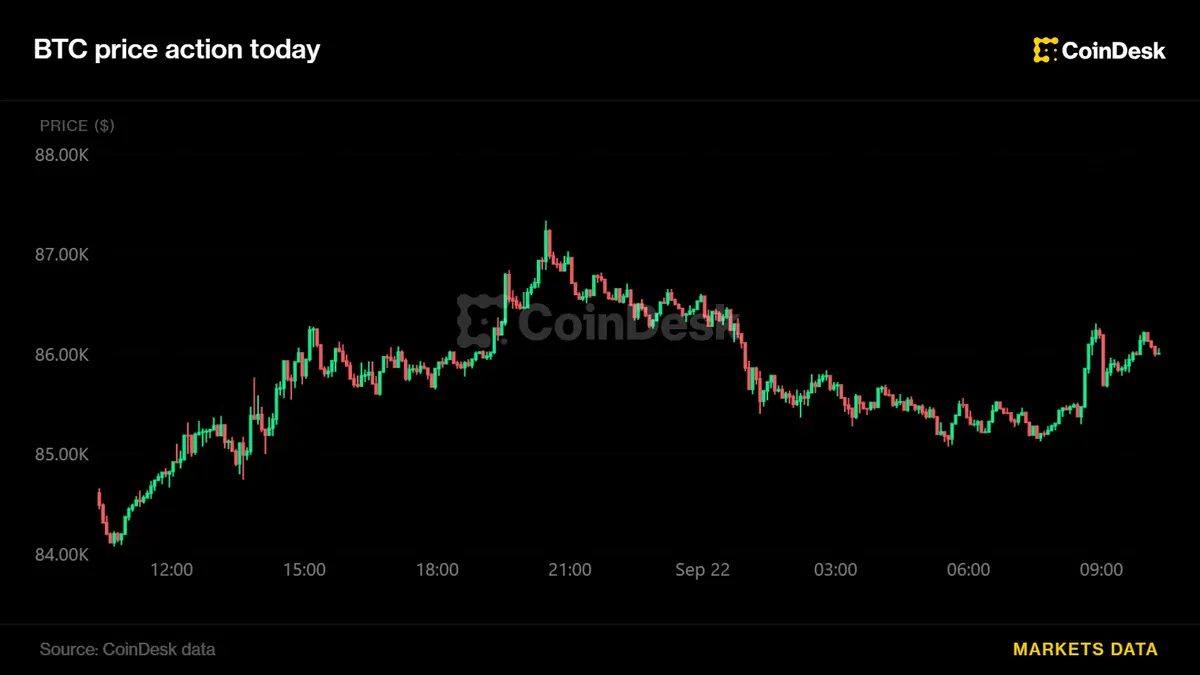
Bitcoin bounces back to $86,000 as oil prices decline and stocks rise

Prediction markets projected to reach $10 trillion by 2035, surpassing sports