Dutch crypto exchange collapses exposing customer balances’ true value amid multi-million-euro hole
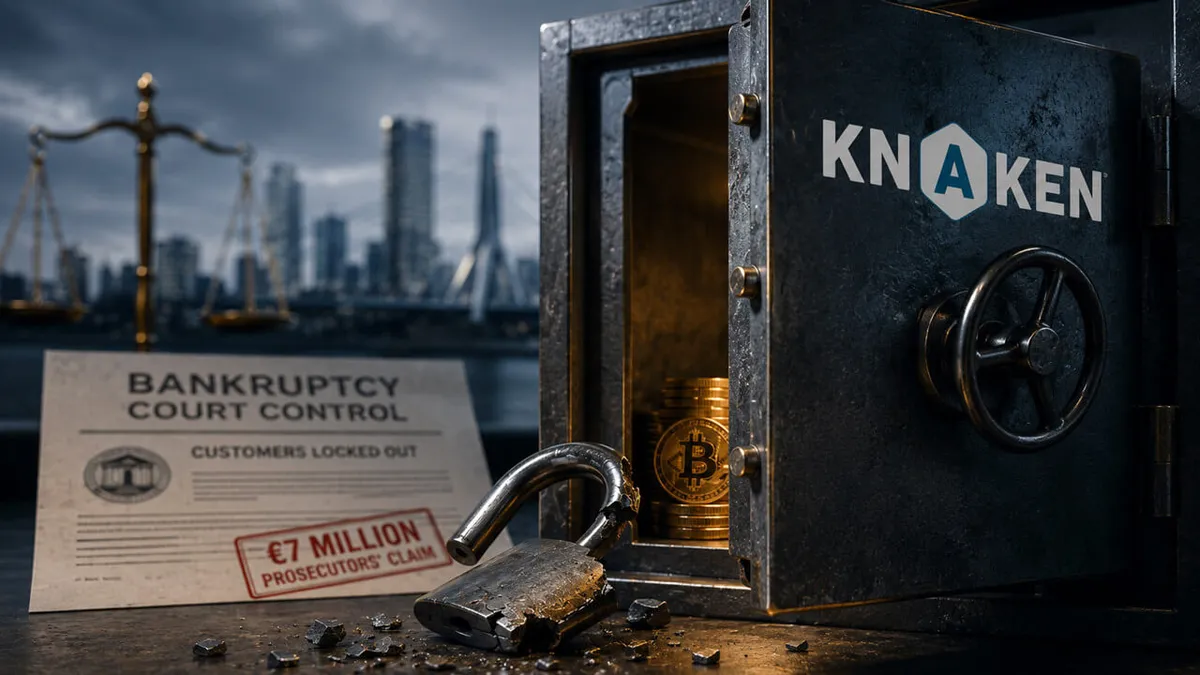
The recent collapse of the Dutch crypto exchange Knaken has sent shockwaves through the cryptocurrency community, revealing a significant undisclosed deficit in the company’s financials. A court ruling confirmed that Knaken is unable to repay its customers in full, leaving many users in a precarious position. An independent trustee has been appointed to oversee the recovery process, but the extent of the losses remains unclear. This situation has raised alarming questions about the safety and transparency of user funds held by exchanges, further complicating the already turbulent landscape of crypto trading.
Knaken, once a relatively prominent player in the Dutch crypto market, had garnered a reputation for its user-friendly platform and a wide range of trading options. However, behind the scenes, financial mismanagement appears to have led to this unfortunate turn of events. The company’s inability to disclose its financial state raises serious concerns about regulatory oversight in the cryptocurrency industry, particularly in the Netherlands. As regulators globally tighten their grip on digital assets, the Knaken case serves as a stark reminder of the potential risks involved in trading and investing in cryptocurrencies.
The implications of Knaken's collapse are significant for the broader crypto market. User trust is paramount in an industry still navigating its way through regulatory scrutiny and public skepticism. News of the exchange's insolvency may lead to increased cautiousness among investors, potentially stalling market growth and innovation. As users reassess their risk tolerance, we may see a shift in trading patterns as individuals gravitate towards exchanges that demonstrate robust financial practices and better compliance with regulations.
Industry experts have expressed their concerns over the fallout from this incident. Many view Knaken's situation as a critical lesson for both users and regulators alike. Some analysts argue that this could pressure other exchanges to enhance their transparency and risk management practices, while others fear it could lead to increased regulatory crackdowns that stifle innovation in the crypto space. The general consensus seems to be that while the collapse is unfortunate, it presents an opportunity for the industry to evolve and strengthen.
Looking ahead, the future for affected customers remains uncertain as the independent trustee begins the recovery process. It is crucial to monitor how this situation unfolds and whether it prompts regulatory changes in the industry. Furthermore, we may see a shift in consumer behavior as a result of this incident, with users demanding greater accountability and security from exchanges. This could ultimately lead to a more resilient market, but it will take time for the dust to settle and for trust to be rebuilt in the wake of such a significant collapse.

CoinMagnetic Team
Crypto investors since 2017. We trade with our own money and test every exchange ourselves.
Updated: July 2026
From our insights:
Related news
Solana holdings expansion drives DeFi Development to hike CHAD dividend to 14 percent

Ripple Prime introduces RWA perpetual swaps linked to various assets

Gold gains traction as equities, copper and bitcoin face simultaneous pressure

Babylon advances native Bitcoin lending proposal on Aave V4
September CPI print of 3.7 percent revives talk of a Federal Reserve rate hike