'Dr. Doom'-backed Atlas Capital CEO says bitcoin could crash 70% before reaching $500,000

In a recent statement, Reza Bundy, the CEO of Atlas Capital and a figure backed by renowned economist Nouriel Roubini–often referred to as 'Dr. Doom'–issued a stark warning regarding the future of Bitcoin. Bundy suggested that Bitcoin's price could plummet by as much as 70% in the short term, projecting a dip before it potentially skyrockets to $500,000. While this prediction may raise eyebrows, Bundy remains optimistic about Bitcoin's long-term prospects, indicating that despite short-term volatility, the cryptocurrency could eventually achieve unprecedented heights.
To understand Bundy’s perspective, it's essential to consider the context of Roubini's long-standing skepticism towards Bitcoin. Roubini has consistently criticized Bitcoin as a bubble, arguing that it lacks intrinsic value and is subject to extreme market fluctuations. Bundy's warning echoes these sentiments while balancing them with a long-term bullish outlook. This dual stance captures the ongoing debate around Bitcoin, where advocates believe in its transformative potential and skeptics emphasize its vulnerabilities.
The implications of Bundy's forecast are significant for the cryptocurrency market. A potential 70% crash would not only shake investor confidence but could also trigger a broader sell-off, impacting altcoins and the overall market capitalization of cryptocurrencies. Such volatility could deter institutional investors who have been gradually entering the space, seeking stability amid the hype surrounding digital assets. Conversely, if Bundy's long-term vision proves accurate, it could rejuvenate interest in Bitcoin as a store of value, especially as global economic conditions evolve.
Industry reactions have been varied, with some analysts supporting Bundy's cautious approach while others criticize it as overly pessimistic. Many in the crypto community argue that such drastic predictions often overlook the resilience demonstrated by Bitcoin in past market corrections. Experts have pointed out that while Bitcoin has experienced significant downturns, it has historically recovered and reached new all-time highs. This resilient nature of Bitcoin fuels ongoing debates about its role as both an asset class and a potential hedge against inflation.
Looking ahead, the cryptocurrency landscape remains uncertain. Should Bitcoin experience the predicted downturn, it may lead to increased scrutiny from both regulators and investors. However, Bundy's long-term optimism suggests that there could be a silver lining, with potential innovations and developments in the blockchain space continuing to attract interest. As the market navigates these turbulent waters, investors and industry stakeholders will be watching closely to see how this narrative unfolds and what it means for the future of Bitcoin and the broader crypto ecosystem.

CoinMagnetic Team
Crypto investors since 2017. We trade with our own money and test every exchange ourselves.
Updated: June 2026
From our insights:
Related news

Bitcoin's weekly close above $81,000 signals potential rise to $90,000

Elon Musk's X integrates bitcoin trading options for U.S. users
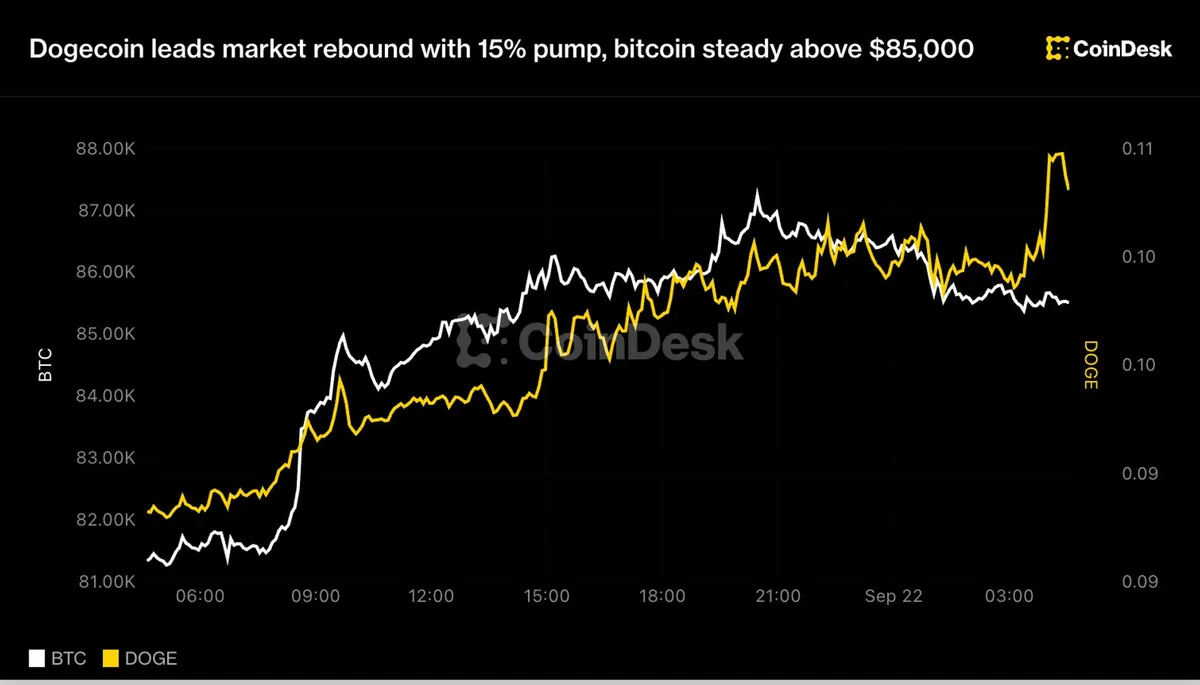
Dogecoin's 15% surge drives market recovery as bitcoin stabilizes above $85,000

Cardano adds tools for AI agent payments, joining Solana and XRP Ledger

Trueo prediction market moves from Base to Ethereum