DOJ charges federal inmate over alleged theft of $290,000 in crypto forfeited to US government

The recent news surrounding the case of Rossen Iossifov, a federal inmate, has raised eyebrows as he faces new charges related to the alleged theft of approximately $290,000 in cryptocurrency that was forfeited to the U.S. government. According to reports, Iossifov is accused of orchestrating a scheme to siphon off these digital assets, which had been seized from individuals involved in illicit activities. This development not only highlights the ongoing struggles in managing and securing forfeited cryptocurrency but also underscores the complexities of the legal framework surrounding digital assets.
To provide some context, the U.S. Department of Justice (DOJ) has been actively involved in seizing cryptocurrency linked to criminal activities over the past few years. The rise of digital currencies has made it easier for individuals to engage in illicit transactions, prompting federal agencies to develop strategies to recover these assets. Iossifov's case is particularly notable as it illustrates the challenges law enforcement faces in maintaining control of seized cryptocurrencies and ensuring they do not fall back into the hands of criminals. The evolving nature of cryptocurrency regulations and forfeiture laws adds another layer of complexity to such cases.
The implications of this case extend beyond Iossifov himself, as it raises crucial questions about the security measures in place for managing forfeited cryptocurrencies. The significant amount involved–$290,000–serves as a reminder that even within the confines of correctional facilities, individuals may still find ways to exploit weaknesses in the system. This incident may prompt the DOJ and other regulatory bodies to reevaluate their procedures and invest in more robust security protocols to prevent similar occurrences in the future, thereby impacting how forfeited digital assets are handled across the board.
Industry reactions to this case have been varied, with some experts expressing concern over the regulatory environment surrounding cryptocurrency forfeiture. Many believe that the incident could lead to increased scrutiny from regulators and law enforcement agencies, potentially resulting in stricter enforcement measures and clearer guidelines for the management of seized assets. Additionally, the incident has sparked discussions among legal experts regarding the adequacy of current laws and the need for reforms that address the unique challenges posed by digital currencies.
Looking ahead, it will be interesting to see how this case unfolds and what actions the DOJ will take in response to Iossifov's alleged actions. As the regulatory landscape around cryptocurrency continues to evolve, this case may serve as a catalyst for further discussions on best practices for managing seized digital assets. The outcome could potentially shape future legal interpretations and enforcement strategies, making it a significant development to watch for stakeholders in the cryptocurrency space.

CoinMagnetic Team
Crypto investors since 2017. We trade with our own money and test every exchange ourselves.
Updated: July 2026
From our insights:
Related news

NFL supports New Jersey's SCOTUS petition against Kalshi prediction markets
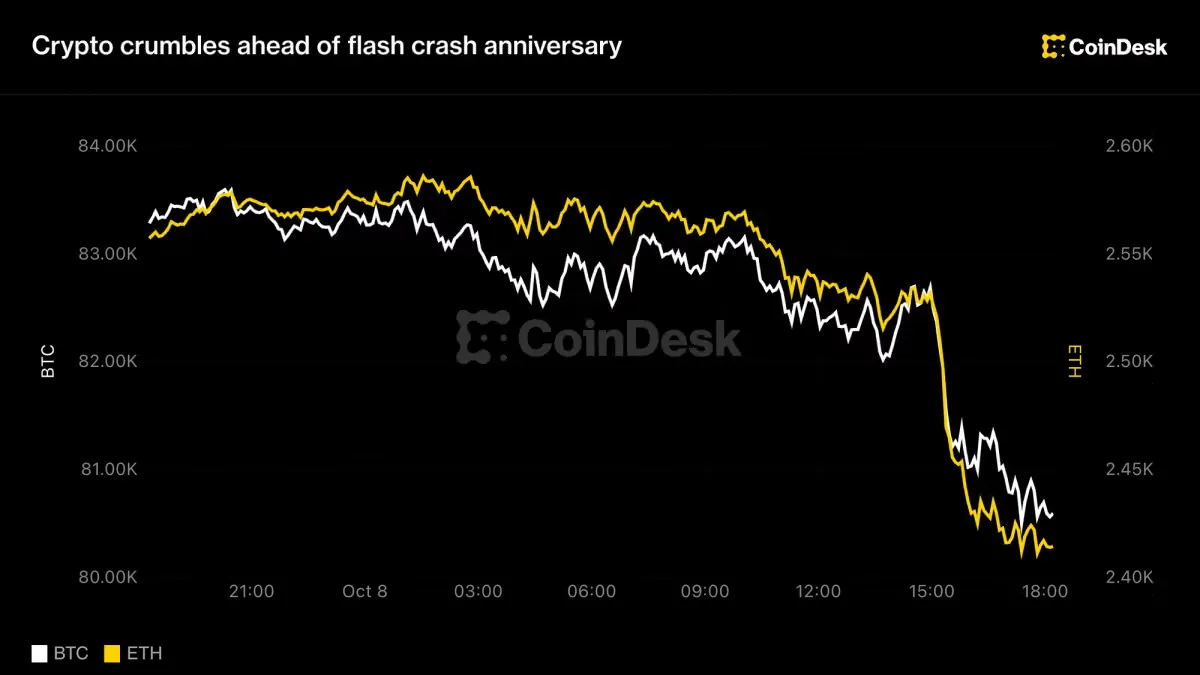
Bitcoin nears anniversary of flash crash as prices falter around $105,000

Strategy shareholders face dilution limits on bitcoin gains, TD Cowen maintains target
IMF highlights risks of tokenized equity markets amid growing demand

Crypto for Advisors: Digital assets outran stocks and gold in Q3