Federal bank status raises questions about crypto's protection from regulations
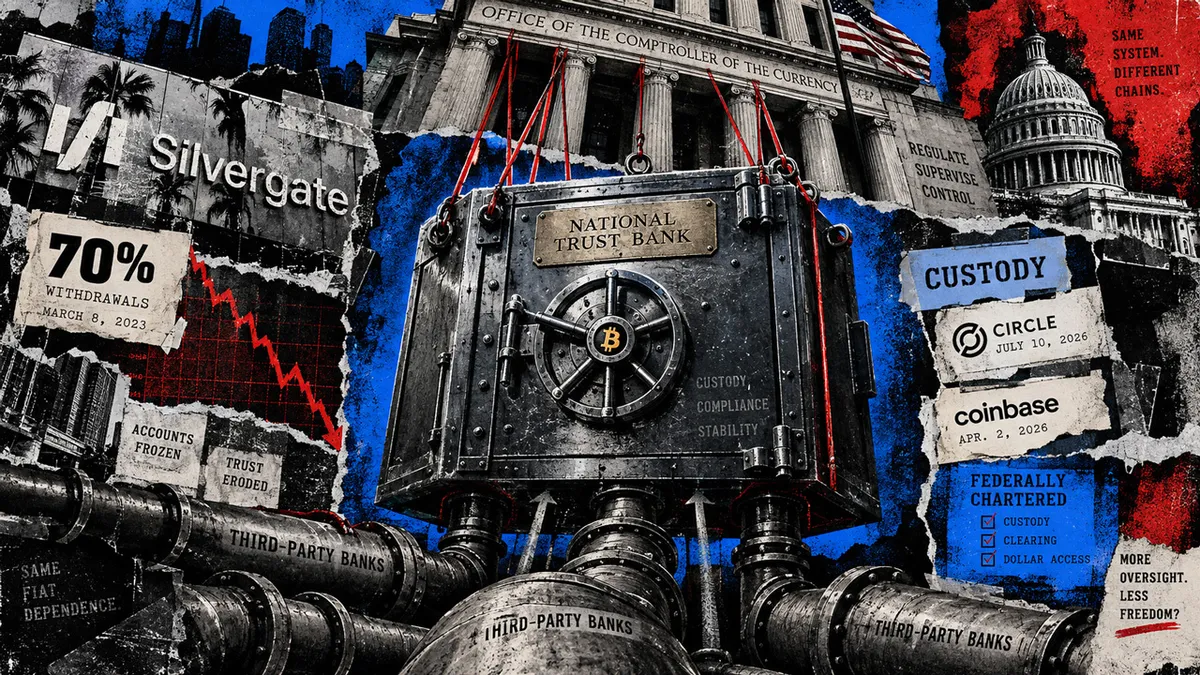
Alan Lane’s recent decision to open an account with Silvergate Bank, which has transitioned into a federal bank, has sparked a significant debate within the cryptocurrency community. The move highlights crucial concerns regarding the implications of federal oversight on crypto trust banks. As these institutions align themselves with federal regulations, questions arise about whether this change will protect the crypto sector from stricter oversight or inadvertently grant authorities greater control over it.
Silvergate Bank's transformation into a federally chartered institution marks a pivotal moment in the ongoing dialogue about cryptocurrency regulation. This shift reflects a broader trend where traditional banking and cryptocurrency are increasingly intertwined. As regulatory frameworks evolve, it becomes important to understand the potential impact on the financial landscape. The transition is seen as a response to the heightened scrutiny that the industry has faced in recent years, particularly following various incidents that have raised concerns about security and compliance.
The significance of this development cannot be overstated in a market that is already grappling with regulatory uncertainties. If federal bank status provides more robust protections against potential regulatory crackdowns, it could instill greater confidence among investors and users within the crypto space. Conversely, if this status results in tighter controls and oversight, it could stifle innovation and deter participation in the market. The balance between embracing regulatory compliance and fostering a thriving crypto ecosystem is delicate and crucial for future growth.
Industry experts have shared mixed reactions to this evolution. Some view federal bank status as a necessary step towards legitimacy and stability, arguing that clearer regulations could lead to greater institutional investment and broader adoption of cryptocurrencies. Others, however, caution that increased oversight may limit the decentralized nature of crypto, which is one of its most appealing features. The diversity of opinions underscores the complexity of the situation and the need for ongoing discussions about the future of cryptocurrency regulation.
Looking ahead, the crypto industry will need to closely monitor the developments surrounding federal banking regulations. As more institutions consider similar transitions, the implications for existing and future regulations will become clearer. Stakeholders will need to remain vigilant in advocating for a regulatory framework that balances protection with innovation, ensuring that the growth of the crypto sector is not stifled by excessive control.

CoinMagnetic Team
Crypto investors since 2017. We trade with our own money and test every exchange ourselves.
Updated: September 2026
From our insights:
Related news

LIBRA token dismissal shields Milei and 10 others from fraud claims

Sweden restricts staff to Microsoft Copilot while locking out ChatGPT and Claude

Preferred stock dividends fuel strategies for nearly 136,000 bitcoin acquisitions

Corporate pushback against SEC-exempt tokenized stocks masks long-term interest

Milei cleared of fraud allegations following the LIBRA memecoin crash