Dinari launches tokenized S&P 500 stocks for US self-custody wallets using USDC

Dinari has recently launched a new offering that allows users to hold tokenized versions of S&P 500 stocks directly in self-custody wallets, utilizing the stablecoin USDC. This initiative aims to bridge the gap between traditional equity markets and the burgeoning world of decentralized finance (DeFi). By leveraging blockchain technology, Dinari enables users to access and manage their investments in a more flexible manner, aligning with the growing trend of tokenization in finance.
The context surrounding this launch is crucial in understanding its significance. Tokenization of assets has gained traction over recent years, as it offers enhanced liquidity and accessibility for investors. Major financial institutions such as JPMorgan and Goldman Sachs have shown keen interest in the potential of tokenized assets, which has effectively legitimized the concept in the eyes of traditional finance. As these firms explore the integration of blockchain technology into their operations, the landscape for tokenized equities is evolving rapidly.
This development matters for the market as it signifies a continuing convergence of traditional finance with blockchain innovation. By offering tokenized S&P 500 stocks, Dinari taps into a vast market of investors who are increasingly looking for alternative ways to manage their portfolios. The use of USDC as a stablecoin also addresses concerns regarding volatility, providing a more stable medium for transactions. This could potentially attract a broader user base, as individuals may feel more comfortable engaging with tokenized equities when denominated in a stable asset.
Industry reaction to Dinari's launch has been largely positive, with experts acknowledging the potential of tokenization to disrupt traditional investment modalities. Many see this as a step toward democratizing access to financial markets, allowing retail investors greater opportunities to participate in stock ownership without the barriers typically associated with traditional brokerage accounts. The interest from institutional players further validates the approach, suggesting that tokenization could become a standard practice in financial markets.
Looking ahead, the next steps for Dinari and similar projects will likely involve expanding their offerings and enhancing the user experience. As more investors become familiar with the concept of tokenized assets, there may be an increased demand for additional products and services. Regulatory developments will also play a critical role in shaping the future of this sector, as firms navigate compliance while striving to innovate in a rapidly changing landscape.

CoinMagnetic Team
Crypto investors since 2017. We trade with our own money and test every exchange ourselves.
Updated: August 2026
From our insights:
Related news

Bitcoin reaches $80k ahead of disappointing US economic data release

Zcash development fund's future questioned after ZEC value tops $95 million
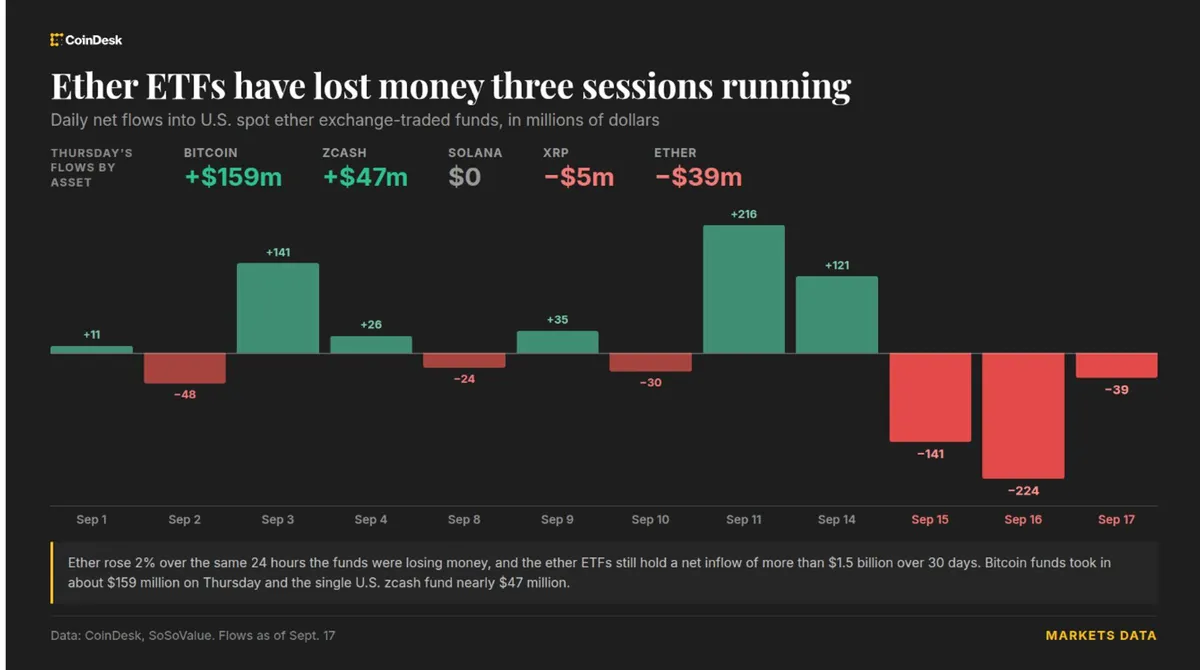
Ether and XRP ETFs post outflows as bitcoin moves above $77,000
Chipotle partners with Palantir to enhance food safety after summer outbreaks

JPMorgan says bitcoin could get more support than gold if ETF hedging eases