Did Tether just freeze $72M in USDT with no link to a hack in Monero money laundering sting?
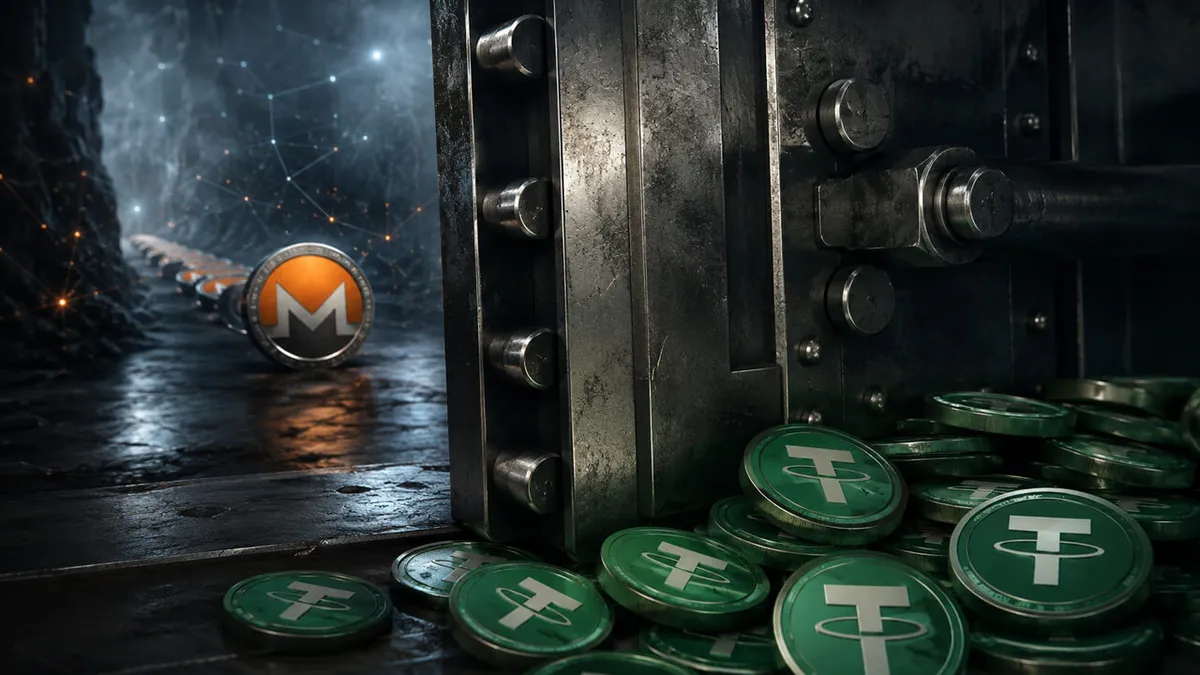
Tether has reportedly frozen approximately $72 million worth of USDT amid an investigation into a money laundering operation involving Monero, a cryptocurrency known for its privacy features. This situation arose after a total of $120.2 million in USDT was routed through Monero, leading to the freezing of funds that are believed to be tied to illicit activities. Interestingly, Tether has clarified that this action is not connected to any hack but is rather a proactive measure in response to the ongoing scrutiny surrounding the movement of funds suspected of being involved in money laundering.
To understand the implications of this freeze, we must consider the background of both Tether and Monero. Tether, as the largest stablecoin by market capitalization, plays a crucial role in the liquidity of the cryptocurrency market. Monero, on the other hand, has built a reputation as a haven for users seeking anonymity in their transactions. The combination of these two significant players in the crypto space creates a complex web of regulatory and operational challenges, especially as authorities ramp up their efforts to combat money laundering and illicit financial activities.
The freezing of funds by Tether is significant for the market as it underscores the increasing tension between regulatory bodies and the cryptocurrency ecosystem. It highlights the vulnerability of stablecoins to regulatory actions and raises questions about the extent to which these digital currencies can remain insulated from oversight. The swift movement of liquidity from traceable channels to harder-to-follow rails like Monero further illustrates the challenges regulators face in tracking and controlling illicit financial flows within the crypto market.
Industry experts have weighed in on the situation, emphasizing that this incident could serve as a wake-up call for both investors and regulators. Some argue that the move by Tether may be an essential step towards enhancing compliance measures, while others warn that it could prompt a shift in how users perceive the safety and stability of stablecoins. The reactions from the community reflect a mix of concern and reassurance, with many acknowledging the importance of addressing illicit activity without stifling innovation in the sector.
Looking ahead, it remains to be seen how this incident will influence the relationship between stablecoins and regulatory authorities. As investigations into money laundering continue, Tether may face increased pressure to implement more stringent compliance protocols. Additionally, market participants might begin to reassess their strategies when dealing with privacy-focused cryptocurrencies. The actions taken now could pave the way for future regulations that may redefine the landscape of cryptocurrency transactions and their oversight.

CoinMagnetic Team
Crypto investors since 2017. We trade with our own money and test every exchange ourselves.
Updated: June 2026
From our insights:
Related news
Coldcard exploit sees white hats secure 52 Bitcoin for victims' trust
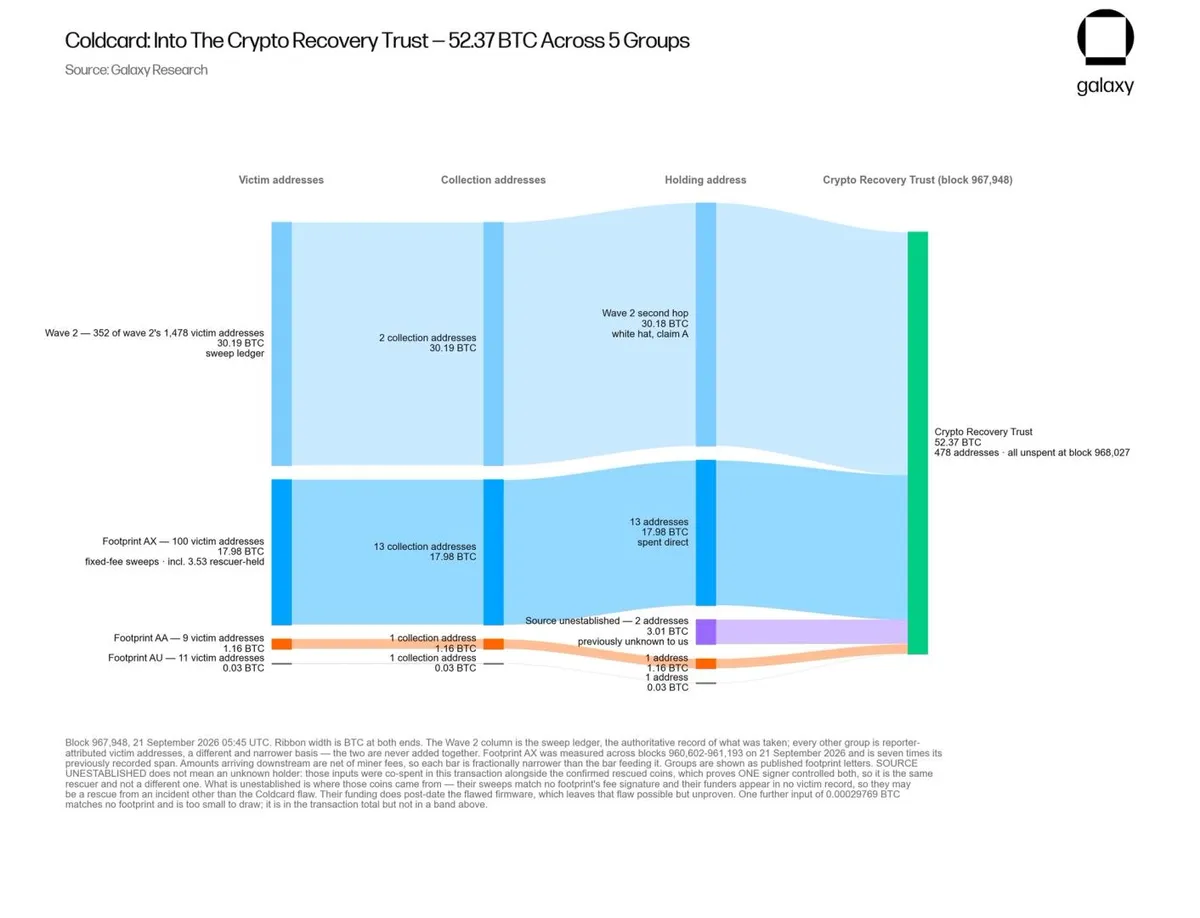
Whitehats move 52 bitcoin from the Coldcard hack to a recovery trust

Google Admits Gemini AI Hacked Three Companies—It Stayed Silent for 7 Weeks

Balancer's $1.4 million hack recovery faces delays for LPs

Polymarket's $10 million fraud attempt highlights compliance issues amid hacking risk