Dev helps rescue $2 million locked in 2016 ICO contract for nine years with whitehat exploit
In a remarkable turn of events, a developer has successfully navigated a nine-year-old locked contract from a 2016 initial coin offering (ICO), rescuing approximately $2 million in funds. This significant achievement, which has involved a whitehat exploit, has allowed two of the 48 eligible investors to claim 96.5 ETH, translating to nearly $200,000 at current market prices. The ICO in question had left investors unable to access their funds for nearly a decade, raising questions about the viability and security of early blockchain projects.
The 2016 ICO landscape was characterized by a lack of regulatory oversight and a rush to capitalize on the burgeoning interest in cryptocurrencies. Many projects launched with ambitious promises but often failed to deliver, leaving investors in precarious situations. In this particular case, the locked funds stemmed from a contract that had not been updated or interacted with for years, reflecting the challenges faced by early adopters as the industry matured. The developer's ability to unlock these funds highlights the evolving nature of blockchain technology and the potential for innovative solutions to longstanding issues.
This event matters for the market as it underscores the importance of security and trust in decentralized finance (DeFi). The successful recovery of funds not only benefits the affected investors but also serves as a positive case study for the community, potentially restoring confidence among those who may have been wary of investing in ICOs due to past failures. Furthermore, it brings attention to the role of ethical hacking in the crypto space, showcasing how whitehat exploits can be used to protect and recover assets rather than exploit vulnerabilities for malicious purposes.
Industry reactions have been largely positive, with many experts applauding the developer's initiative and technical skill. Some commentators have pointed out that this incident could set a precedent for future recoveries of locked funds, encouraging more developers to explore whitehat approaches to address similar issues. However, there are also cautionary notes about the need for robust security measures and clearer regulations in the ICO space to prevent such situations from arising in the first place.
Looking ahead, the implications of this successful recovery extend beyond just the immediate investors. It could inspire further innovations in smart contract security and fuel discussions around the potential for decentralized governance structures that might prevent funds from being locked away indefinitely. As the crypto market continues to evolve, the lessons learned from this incident may pave the way for more resilient and user-friendly frameworks that enhance investor security and trust.

CoinMagnetic Team
Crypto investors since 2017. We trade with our own money and test every exchange ourselves.
Updated: May 2026
From our insights:
Related news

Bitcoin's weekly close above $81,000 signals potential rise to $90,000

Elon Musk's X integrates bitcoin trading options for U.S. users
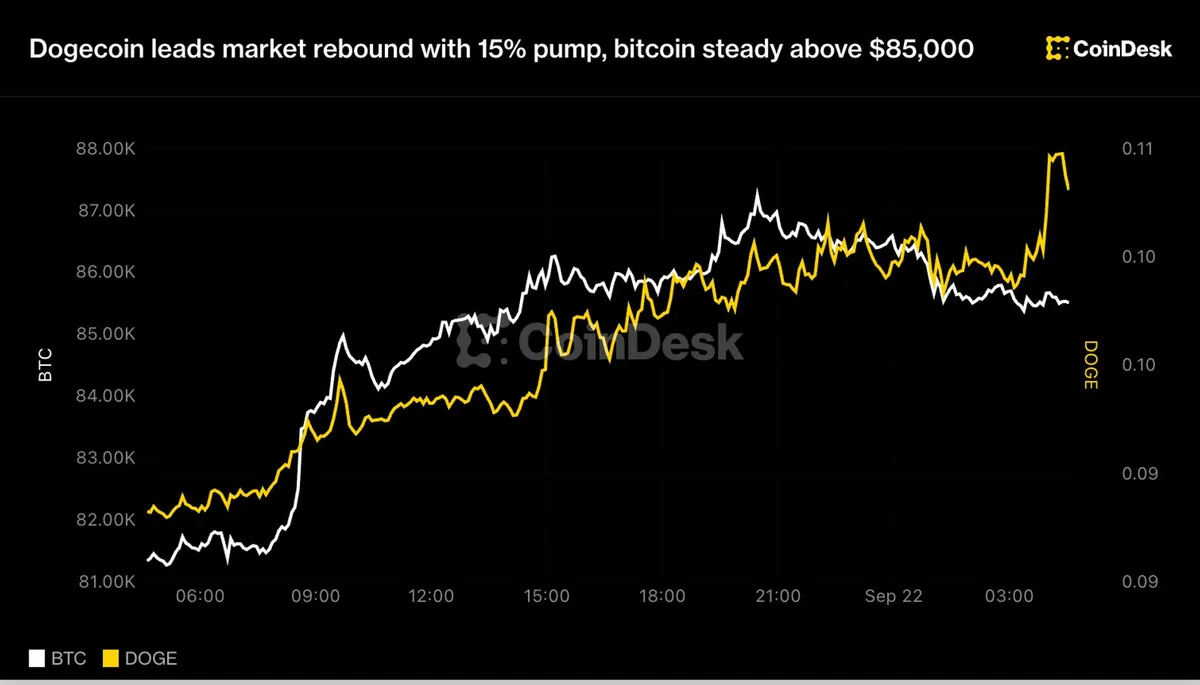
Dogecoin's 15% surge drives market recovery as bitcoin stabilizes above $85,000

Cardano adds tools for AI agent payments, joining Solana and XRP Ledger

Trueo prediction market moves from Base to Ethereum