DeFi users pull $10 billion out of the market as $292 million exploit sparks bank-run optics

Over the weekend, a significant security breach at KelpDAO sent shockwaves through the decentralized finance (DeFi) landscape, leading to a mass withdrawal of funds totaling approximately $10 billion. The exploit, which occurred late Saturday, involved an attacker draining around 116,500 rsETH tokens from KelpDAO’s cross-chain bridge–an incident that not only destabilized the affected protocol but also triggered a broader retreat among DeFi users. In response to the exploit, various protocols have moved to freeze markets associated with rsETH, further amplifying the sense of urgency and fear in the market.
To understand the full impact of this incident, it is essential to consider the broader context of DeFi's rapid growth in recent years. The sector has attracted billions of dollars in investments, largely due to its promise of decentralized financial services and the potential for high returns. However, this rapid expansion has also made it a prime target for malicious actors. Security breaches are not new to the DeFi space, but the scale of the KelpDAO exploit, coupled with the ensuing panic, has raised alarm bells among investors and developers alike.
This incident matters significantly for the market, as it underscores the vulnerabilities inherent in DeFi protocols. The $10 billion withdrawal indicates a loss of confidence among investors, potentially stalling the momentum that the DeFi space has built over the past few years. Additionally, the freezing of markets tied to rsETH may lead to liquidity issues and further exacerbate the situation, as users grapple with uncertainty about the safety of their assets. The ripple effects of such a large-scale exploit could hinder innovation and deter new participants from entering the DeFi ecosystem.
Industry reactions have been swift, with many experts weighing in on the ramifications of the KelpDAO exploit. Some believe that this incident could serve as a wake-up call for DeFi developers to prioritize security measures and implement more rigorous auditing processes. Others have pointed out that while exploits are damaging, they are also part of the growing pains of a nascent industry. As the DeFi space matures, it will likely see a shift toward more robust security protocols and a deeper understanding of risk management among users.
Looking ahead, the immediate future for DeFi may hinge on the responses from affected protocols and the broader community. There is a possibility that we will see increased collaboration among developers to share best practices for security, as well as the development of new tools and frameworks designed to safeguard against similar attacks. The KelpDAO incident may ultimately lead to a stronger, more resilient DeFi ecosystem, but only time will tell how investors will navigate this turbulent period and whether trust can be rebuilt in the decentralized finance space.

CoinMagnetic Team
Crypto investors since 2017. We trade with our own money and test every exchange ourselves.
Updated: April 2026
From our insights:
Related news
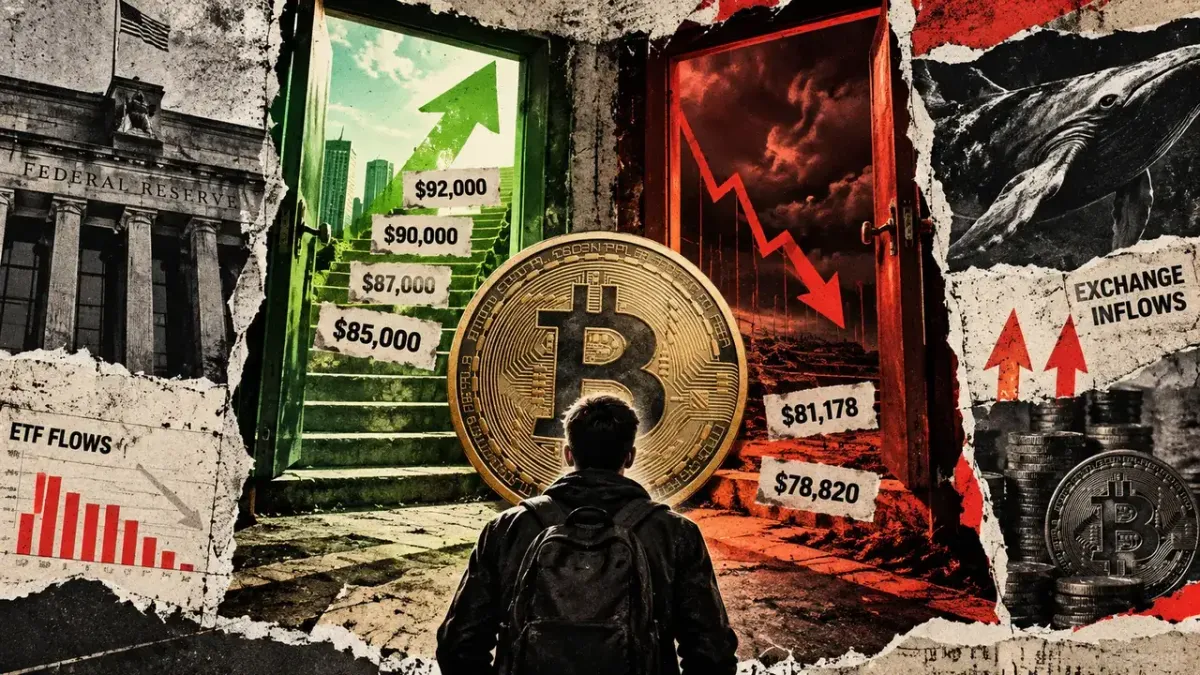
Bitcoin's weekly close above $81,000 signals potential rise to $90,000

Elon Musk's X integrates bitcoin trading options for U.S. users
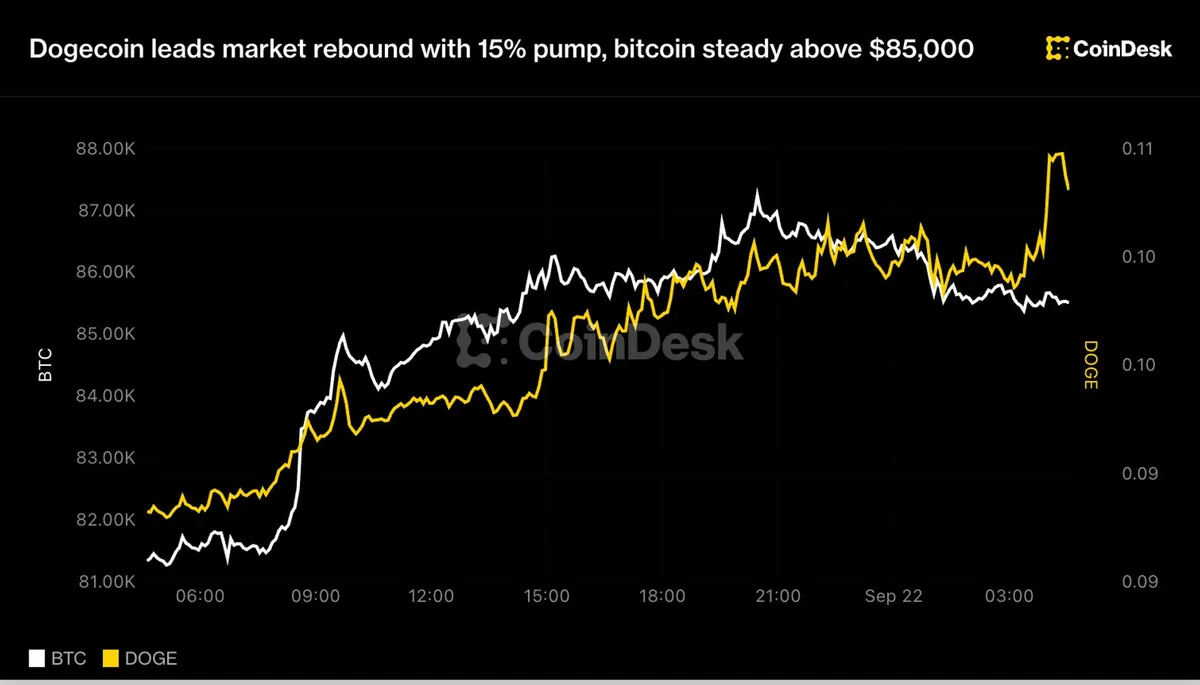
Dogecoin's 15% surge drives market recovery as bitcoin stabilizes above $85,000

Cardano adds tools for AI agent payments, joining Solana and XRP Ledger

Trueo prediction market moves from Base to Ethereum