DeFi’s old hack vectors are fading – But the new risk can hit six chains at once
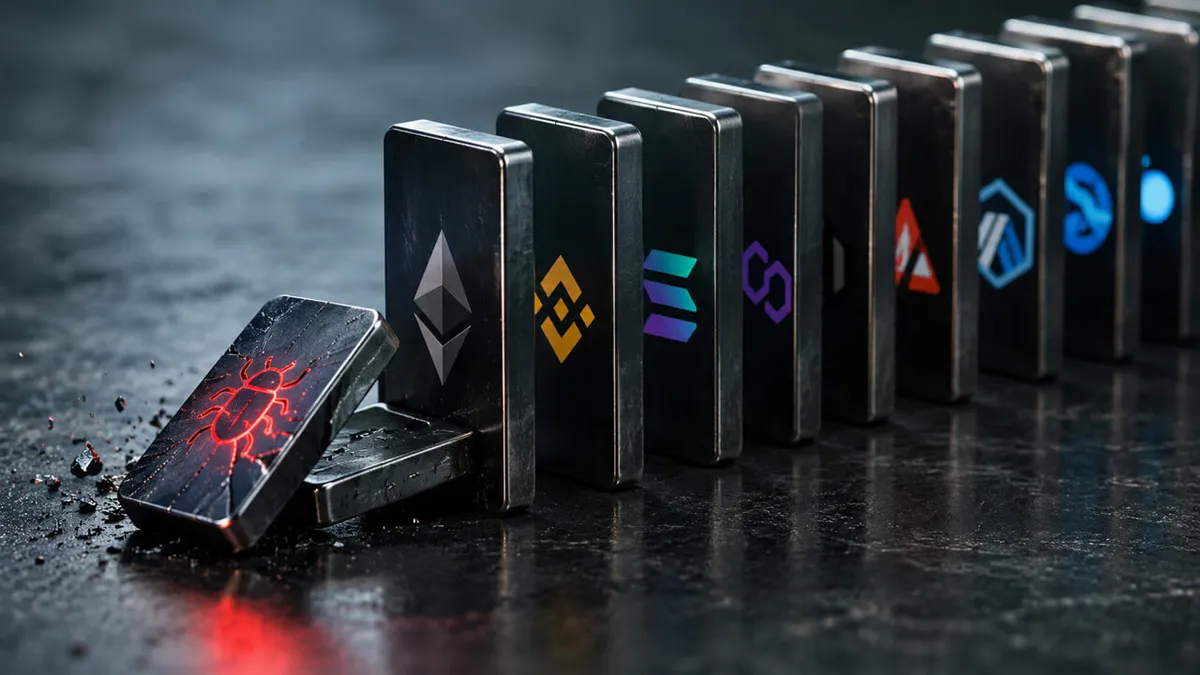
Decentralized finance (DeFi) has witnessed a notable shift in its security landscape over the past few years. A recent review of protocol losses from 2020 to 2025 highlights that while the industry faced staggering losses of $2.62 billion in 2022, this number has dramatically decreased to approximately $534 million by 2024–an impressive drop of around 80%. This positive trend suggests that as the DeFi ecosystem matures, it is becoming increasingly resilient against traditional attack vectors, such as bridge hacks, which previously resulted in billion-dollar heists. However, the review warns that new risks are emerging that could potentially affect multiple blockchain networks simultaneously, marking a critical juncture for investors and developers alike.
To understand this transition, it's essential to consider the evolution of DeFi itself. The sector has grown exponentially since its inception, attracting significant capital and technological innovation. As awareness around security best practices and risk management has increased, developers have implemented stronger protocols to safeguard funds. The decline in losses signifies that the industry is adapting and learning from past breaches. However, with innovation comes new vulnerabilities, and the emergence of new risk vectors that could impact six different blockchain networks at once is a growing concern.
This shift in risk dynamics matters to the market for several reasons. First and foremost, a decline in losses can restore investor confidence, encouraging more participation in DeFi protocols. As security improves, more capital may flow into this space, driving innovation and potentially leading to further price appreciation in cryptocurrencies associated with DeFi projects. On the flip side, the rise of new vulnerabilities poses a daunting challenge. If a major incident were to occur involving multiple chains, it could lead to widespread panic and a loss of trust in the entire DeFi ecosystem, highlighting the importance of ongoing vigilance and proactive measures in the industry.
Industry experts are weighing in on the implications of these emerging risks. Some believe that while the overall trend toward increased security is promising, the introduction of new vulnerabilities necessitates a collaborative approach to security among different blockchain networks. Experts argue that cross-chain communication and shared security protocols could help mitigate risks and create a more robust DeFi environment. There is also a consensus on the need for continuous education and innovation in security practices to stay ahead of potential threats.
Looking ahead, the DeFi landscape is likely to continue evolving as both risks and opportunities emerge. Developers and investors will need to remain agile, adapting to the changing environment while fostering a culture of security. As new challenges arise, so too will the potential for innovative solutions that can enhance trust and resilience in the ecosystem. The focus will need to be not only on improving security protocols but also on fostering collaboration across chains to address shared vulnerabilities effectively. The future of DeFi may hinge on how well the industry can navigate this complex landscape.

CoinMagnetic Team
Crypto investors since 2017. We trade with our own money and test every exchange ourselves.
Updated: June 2026
From our insights:
Related news
Coldcard exploit sees white hats secure 52 Bitcoin for victims' trust
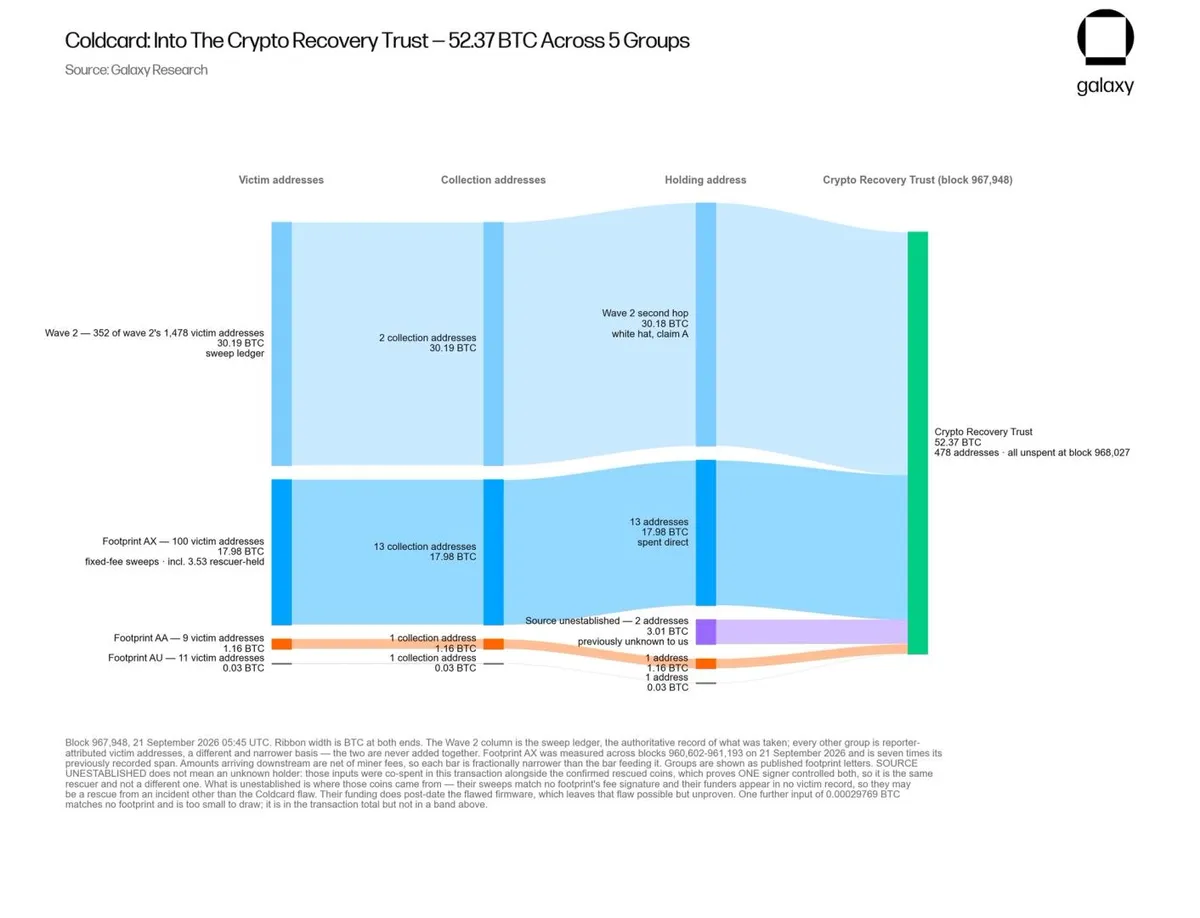
Whitehats move 52 bitcoin from the Coldcard hack to a recovery trust

Google Admits Gemini AI Hacked Three Companies—It Stayed Silent for 7 Weeks

Balancer's $1.4 million hack recovery faces delays for LPs

Polymarket's $10 million fraud attempt highlights compliance issues amid hacking risk