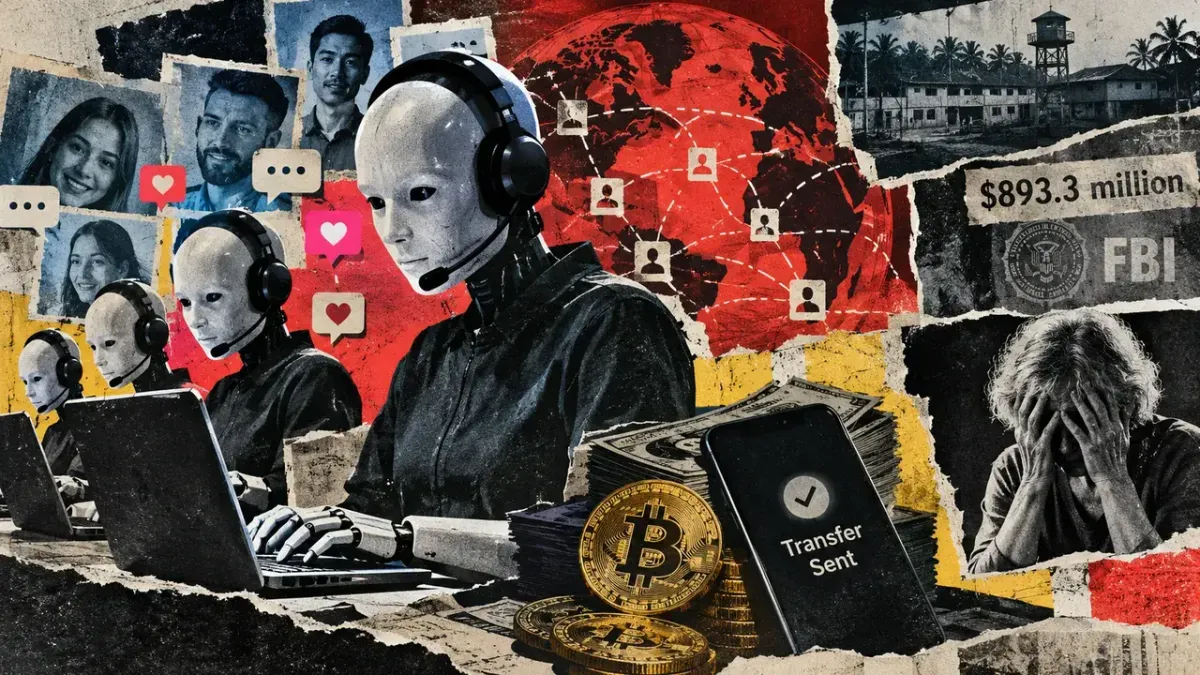
DeFi isn't safe anymore because AI is becoming 'superhuman' at hacking, security chief warns

Recent statements from a leading security executive in the cryptocurrency space have raised alarms about the safety of decentralized finance (DeFi) platforms. As hacks continue to proliferate and the total value locked (TVL) in DeFi has seen a significant decline, the executive warned that the advent of artificial intelligence (AI) coding agents has rendered smart contracts increasingly vulnerable. This has led to a growing consensus among industry experts that the current risk landscape is shifting dramatically due to advancements in AI technology, which can exploit weaknesses in code with unprecedented efficiency.
To understand the implications of this warning, we must consider the context in which DeFi operates. The DeFi ecosystem has been built on the premise of trustless and transparent financial systems, utilizing smart contracts to facilitate transactions without intermediaries. However, as the DeFi space has grown, so too have the threats facing it. High-profile hacks and exploits have already cost users millions, raising questions about the robustness of the underlying technology. The introduction of AI into this arena adds a new layer of complexity, as these advanced algorithms can analyze and manipulate code far more effectively than traditional hacking methods.
This revelation is significant for the crypto market as it could lead to a further erosion of trust in DeFi platforms. Investors and users may begin to withdraw their funds or hesitate to engage with DeFi services, resulting in a continued decrease in TVL and potentially stalling innovation in the space. If AI-driven attacks become more common, the fear of losing funds could drive users back to centralized financial systems, undermining the fundamental goals of decentralization and autonomy that DeFi seeks to achieve.
Industry reactions have been mixed, with some experts acknowledging the risks posed by AI in hacking scenarios, while others remain optimistic about the resilience of the DeFi ecosystem. Some security professionals argue that the industry needs to invest more heavily in security measures and auditing practices to counteract these emerging threats. Meanwhile, developers are exploring ways to enhance the security of smart contracts, including the use of AI for defensive coding practices. These discussions highlight a growing awareness of the need for a proactive approach to security in light of evolving technological threats.
Looking ahead, the DeFi sector will likely face increased scrutiny as it grapples with these challenges. The future may see a push for better regulatory frameworks that address security concerns while fostering innovation. Additionally, collaborations between AI developers and security experts could pave the way for more robust protective measures against hacking attempts. Ultimately, the ability of DeFi to adapt to these new threats will determine the sustainability and growth of the sector in the coming years.

CoinMagnetic Team
Crypto investors since 2017. We trade with our own money and test every exchange ourselves.
Updated: May 2026
From our insights:
Related news
Coldcard exploit sees white hats secure 52 Bitcoin for victims' trust
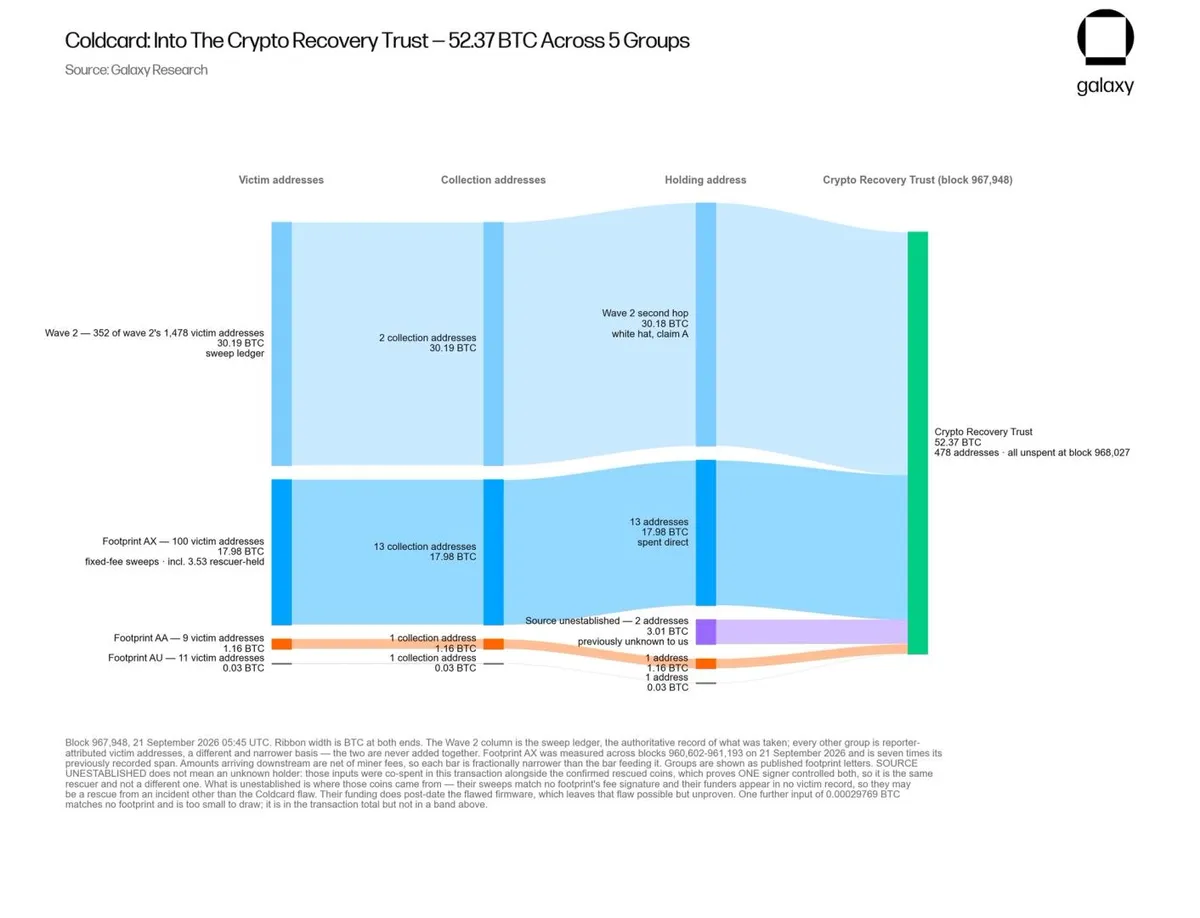
Whitehats move 52 bitcoin from the Coldcard hack to a recovery trust

Google Admits Gemini AI Hacked Three Companies—It Stayed Silent for 7 Weeks

Balancer's $1.4 million hack recovery faces delays for LPs

Polymarket's $10 million fraud attempt highlights compliance issues amid hacking risk