DeepSeek Is Building Its Own Claude Code. Beijing Wants the Whole Stack
DeepSeek, a prominent AI lab based in Beijing, is making significant strides in the technology sector by developing its own coding framework known as Claude Code. This ambitious initiative aims to provide comprehensive tools for coding agents, which are already utilized globally. The move signifies a strategic shift for DeepSeek as it seeks to not only enhance its existing capabilities but also to establish a proprietary ecosystem around its AI technologies. By owning the underlying tools that developers use to create and manage coding agents, DeepSeek is positioning itself as a key player in the rapidly evolving field of artificial intelligence.
The background of this development highlights China’s strategic push in the AI domain. In recent years, the Chinese government has heavily invested in artificial intelligence, viewing it as a critical area for economic growth and technological advancement. DeepSeek's initiative aligns with national priorities, aiming to create a self-sufficient AI infrastructure that reduces reliance on foreign technologies. This move comes in the context of increasing geopolitical tensions, where tech sovereignty has become a focal point for nations looking to secure their technological futures.
The implications of DeepSeek's move to build its own Claude Code are substantial for the market. By controlling the entire stack–from the coding frameworks to the AI agents themselves–DeepSeek could potentially disrupt existing players and reshape competitive dynamics within the AI industry. This vertical integration may allow for enhanced performance and optimization of AI tools, making them more effective for developers and businesses. Furthermore, it raises questions about the future of AI development, as proprietary ecosystems could lead to increased fragmentation in the market.
Industry experts and analysts are closely monitoring this development, with mixed reactions emerging. Some view DeepSeek's strategy as a smart move that aligns with global trends toward vertical integration and self-sufficiency in technology. Others express concerns about the implications for competition and innovation, suggesting that a lack of open standards could stifle collaboration and the sharing of ideas across the industry. The overarching sentiment points to the need for a balance between proprietary advancements and the collaborative spirit that has historically driven technological progress.
Looking ahead, the next steps for DeepSeek will be critical in determining the success of this initiative. As they continue to refine the Claude Code framework, it will be essential for them to navigate the complexities of both domestic and international markets. The global response to this development will also play a significant role in shaping the future landscape of AI technology. If successful, DeepSeek could not only bolster China's position in the AI ecosystem but also redefine how coding and AI agents are developed on a worldwide scale.

CoinMagnetic Team
Crypto investors since 2017. We trade with our own money and test every exchange ourselves.
Updated: May 2026
From our insights:
Related news
Bitcoin, ether perpetual volumes on Kalshi are dominated by an unusual, repetitive trade, data shows
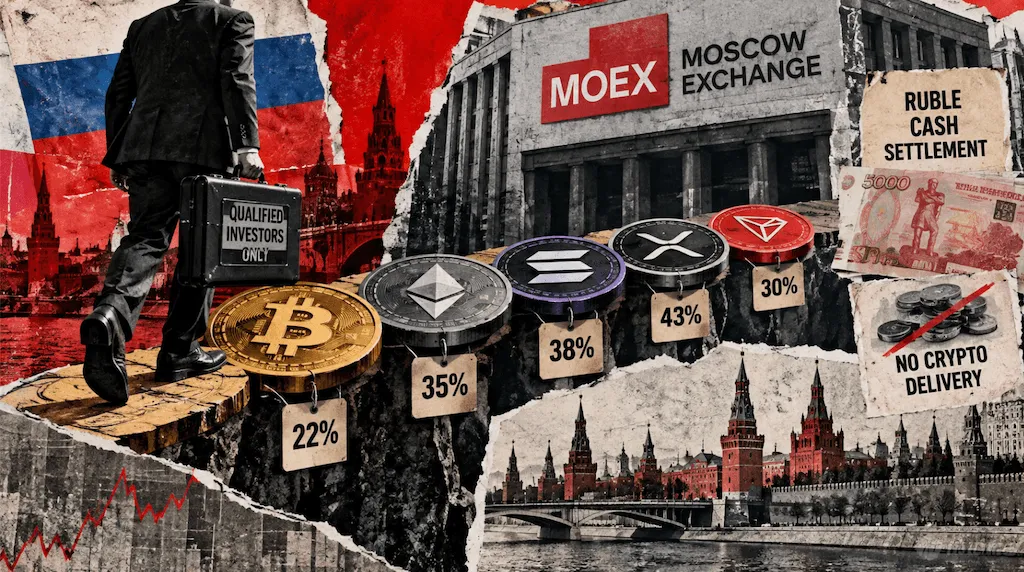
Moscow Exchange introduces 5 crypto perpetual futures amid 600 billion ruble demand
SoFi begins stablecoin settlement on Mastercard network for program expected to exceed $25 billion in annualized volume

A $3.2 million 'bitcoin butterfly' option trade bets on $95,000 by the end of October

Bitcoin surges past $86,000 as $1 billion in shorts are liquidated, eyes on $90,000