'Debasement trade’ falls out of favor as inflation fears cool, JPMorgan says
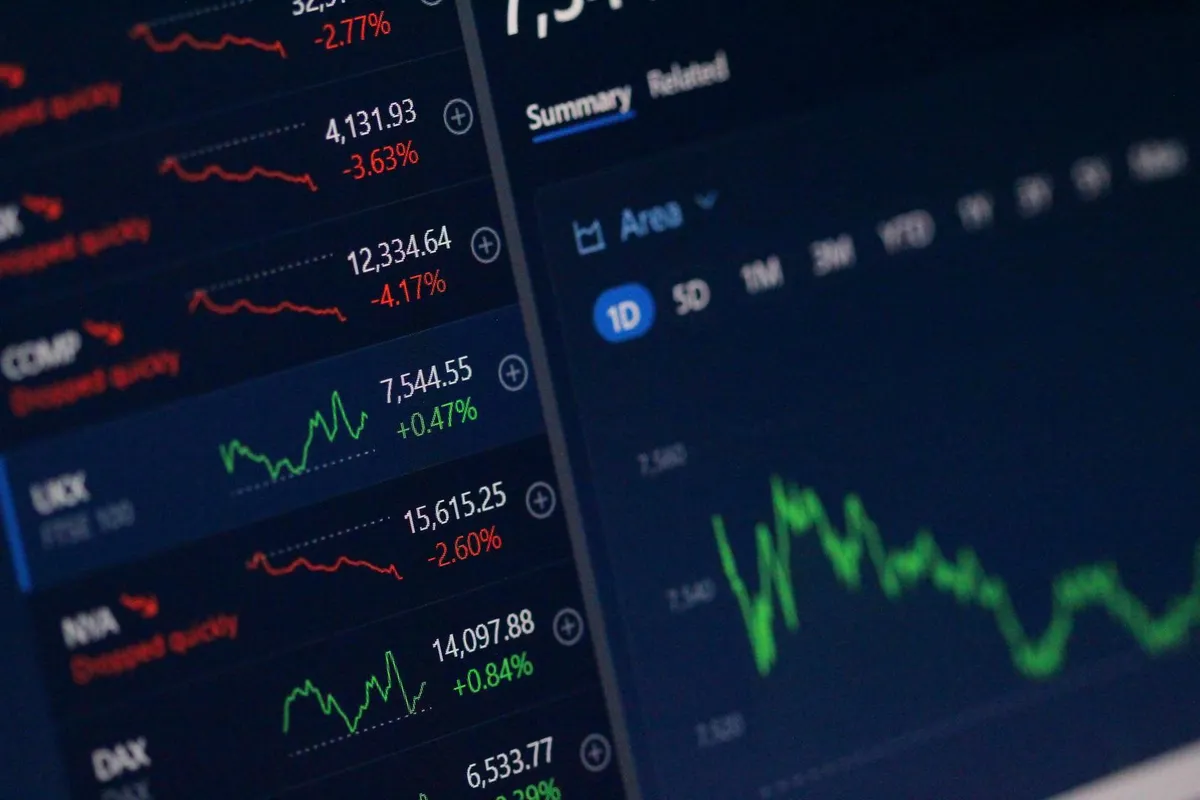
Recent reports indicate that the so-called "debasement trade" is losing traction among investors, particularly in relation to assets like Bitcoin and gold. According to JPMorgan analysts, this shift may be attributed to easing inflation fears and a sense that geopolitical tensions, especially in the Middle East, are stabilizing. As a result, many investors who had previously turned to these assets as a hedge against currency devaluation and inflation are now reassessing their positions. The narrative surrounding Bitcoin and gold, once seen as safe havens, is evolving as market dynamics change.
To understand the current climate, we must consider the backdrop of the past few years. The COVID-19 pandemic and subsequent economic measures led to heightened inflation, prompting many investors to seek refuge in Bitcoin and gold. These assets were viewed as effective hedges against inflation and currency debasement. However, recent economic indicators suggest that inflation may be cooling, and the geopolitical landscape is showing signs of resolution. This has led to a reassessment of the conditions that previously drove demand for these alternative investments.
The implications of this trend for the market are significant. As investors pivot away from Bitcoin and gold, we may see a shift in capital flows towards more traditional equities or other assets that could benefit from a more stable economic environment. The cooling of inflation fears could also lead to more risk-on behavior in the markets, potentially driving up the prices of growth stocks and other sectors that had been under pressure during periods of high inflation. This shift could reshape the investment landscape and alter the strategies of both institutional and retail investors.
Industry experts have weighed in on this development, noting that while the debasement trade may be falling out of favor, it does not signal a long-term decline for Bitcoin and gold. Analysts caution that geopolitical tensions can quickly escalate and that inflation may not remain subdued indefinitely. Some experts suggest that what we are witnessing is a temporary retreat rather than a permanent shift, as investors stay vigilant about potential future disruptions. The broader consensus seems to be that while the current environment may not favor these assets as strongly, they still hold long-term value as part of a diversified portfolio.
Looking ahead, the next steps for investors and market participants will be crucial. As inflation data continues to evolve and geopolitical tensions fluctuate, we may see further recalibrations in investment strategies. Investors will need to stay informed about both macroeconomic indicators and global events that could influence market sentiment. The ongoing dialogue among analysts and market participants will provide insights into whether the current trend marks a new chapter for Bitcoin and gold or if these assets will once again find favor as viable hedges in the face of uncertainty.

CoinMagnetic Team
Crypto investors since 2017. We trade with our own money and test every exchange ourselves.
Updated: May 2026
From our insights:
Related news
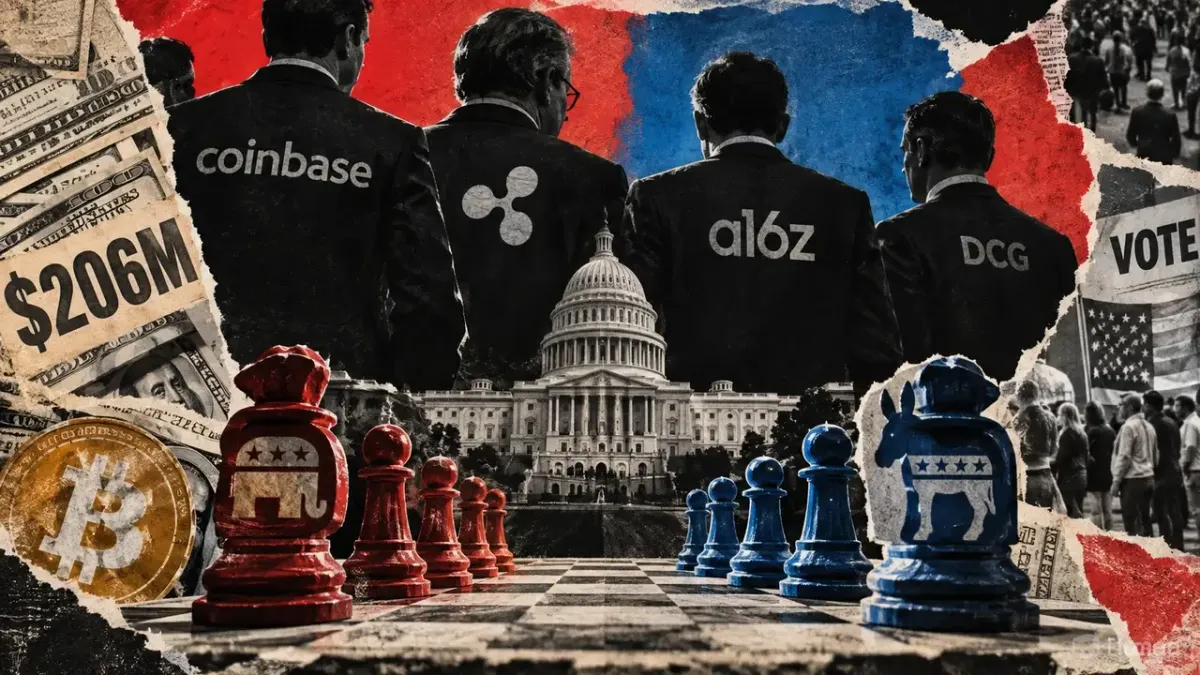
Crypto sector emerges as top donor with $206 million in midterms backing

Stand With Crypto’s 4 million registered advocates couldn’t get the CLARITY Act through the Senate

Kakao Pay, KakaoBank to explore stablecoin opportunities with Fireblocks

US Attorney's investigation into Binance focuses on Iran sanctions compliance
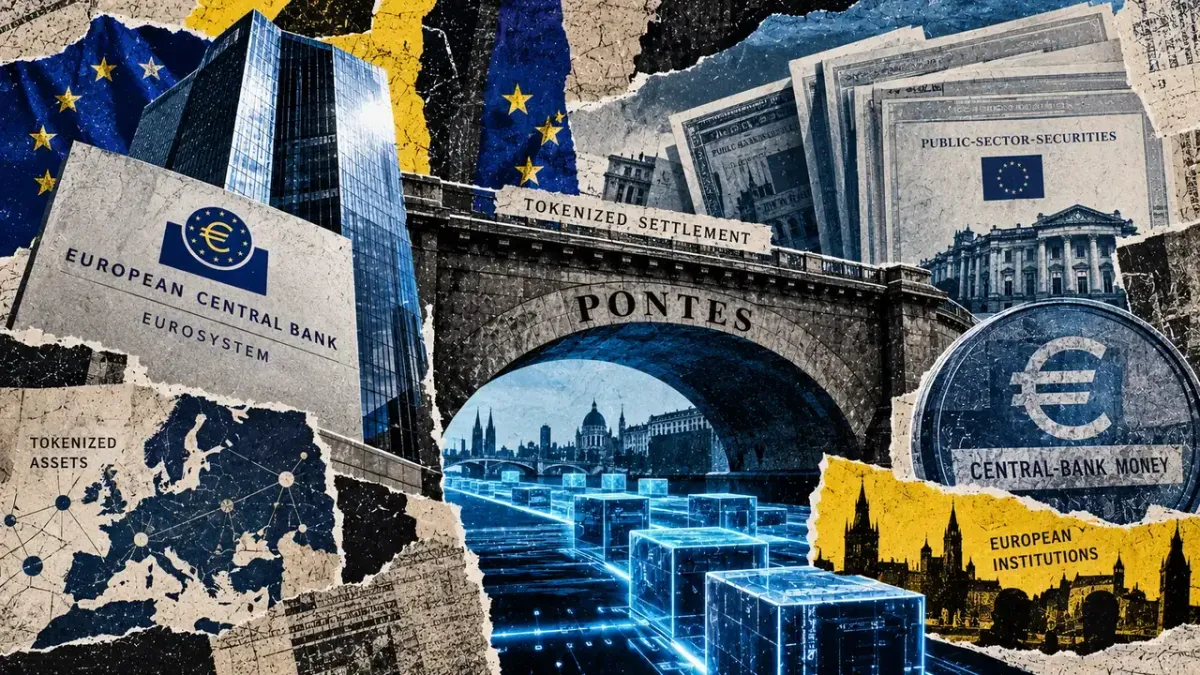
ECB initiates wholesale digital euro for banks and tokenized bond purchases