Cybercrime Might Be the One Job AI Isn’t Taking, Study Suggests

A recent study led by researchers at the University of Cambridge has unveiled intriguing findings about the intersection of artificial intelligence and cybercrime. Contrary to fears that AI would empower hackers by enhancing their capabilities, the study suggests that AI's primary role in the cybercrime landscape is rather mundane. Instead of transforming cybercriminals into superhackers with advanced skills, AI is mostly being utilized for tasks like generating spam blog content. This revelation sheds light on how technology is being leveraged in the underworld and challenges some prevailing narratives about AI's potential impact on criminal activities.
To understand the implications of this study, it is essential to consider the evolution of cybercrime in the digital age. Over the years, hackers have utilized various tools and technologies to execute their schemes. The emergence of sophisticated AI tools has raised concerns about an impending wave of advanced cyber attacks. However, this research indicates that while AI might help streamline certain low-level tasks, it is not substantially enhancing the skills or capabilities of hackers. This perspective shifts the focus from fear of AI-driven supercrime to a more nuanced understanding of how cybercriminals are integrating AI into their existing practices.
The findings of this study are significant for the market as they highlight a potential gap in the perceived threat of AI in the cybercrime arena. Investors and businesses often weigh the risks associated with emerging technologies, and the idea that AI might not be driving a new wave of cybercriminal sophistication could lead to a recalibration of strategies in cybersecurity investments. It also suggests that the current landscape of cyber threats may be more influenced by traditional methods alongside minor AI enhancements rather than a complete overhaul driven by advanced technologies.
Industry experts have reacted to the study with a mix of relief and cautious optimism. While the notion that AI is not creating superhackers may alleviate some concerns, many emphasize that the cybercrime landscape remains complex and evolving. Experts caution against complacency, noting that even minor advancements in AI can still pose significant risks. Additionally, the study has sparked discussions about the ethical implications of AI in the hands of cybercriminals, particularly regarding the potential for AI-driven automation of phishing attacks or other malicious activities.
Looking ahead, it will be crucial to monitor how the relationship between AI and cybercrime continues to develop. As technology advances, the capabilities of both cybersecurity measures and cybercriminal techniques will evolve. This ongoing research can serve as a foundation for understanding the future dynamics of cybersecurity and the role that AI will play within it. Stakeholders in the tech and cybersecurity industries will need to remain vigilant, adapting to new threats while leveraging the potential benefits of AI to improve defenses against cybercrime.

CoinMagnetic Team
Crypto investors since 2017. We trade with our own money and test every exchange ourselves.
Updated: May 2026
From our insights:
Related news

Coldcard exploit sees white hats secure 52 Bitcoin for victims' trust
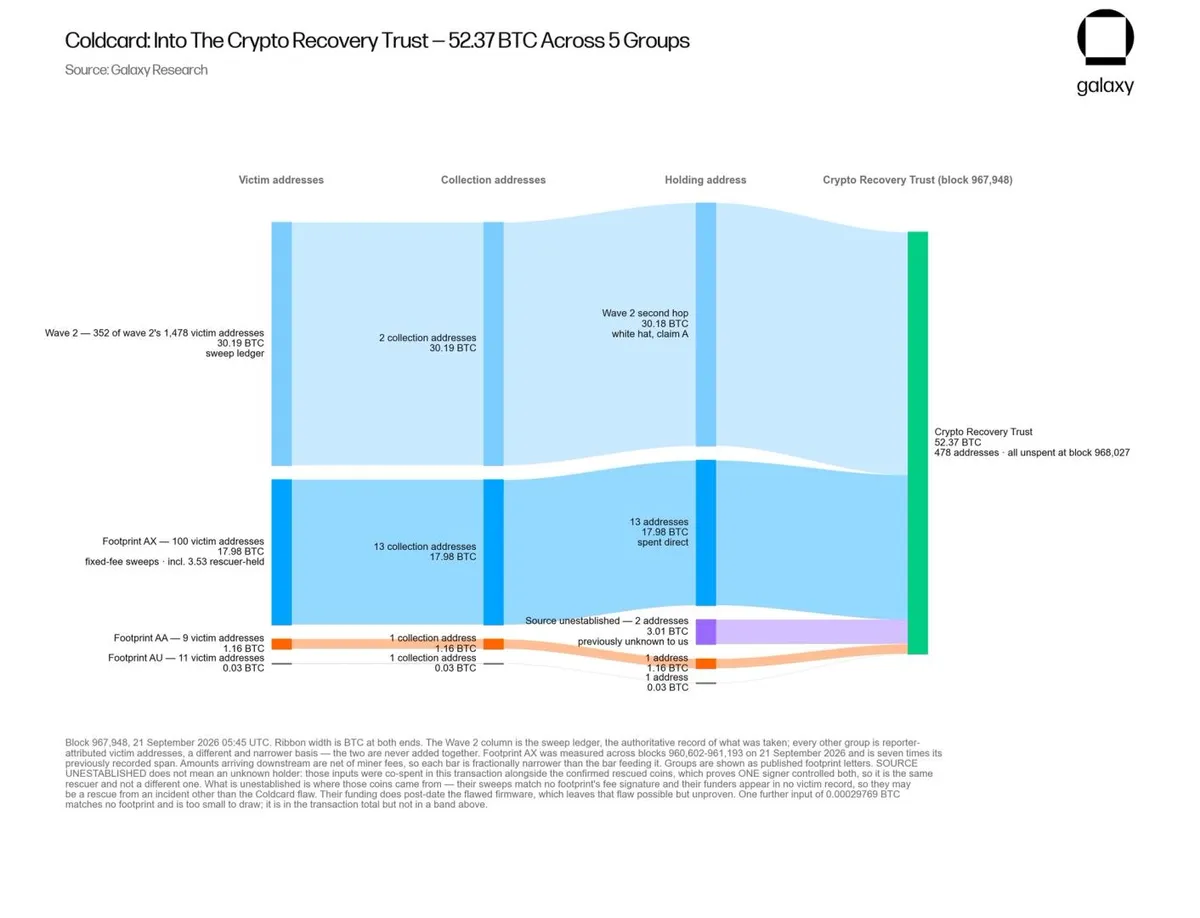
Whitehats move 52 bitcoin from the Coldcard hack to a recovery trust

Google Admits Gemini AI Hacked Three Companies—It Stayed Silent for 7 Weeks

Balancer's $1.4 million hack recovery faces delays for LPs

Polymarket's $10 million fraud attempt highlights compliance issues amid hacking risk