Crypto Whale Sues Coinbase Alleging Exchange Refuses to Return Stolen Funds

A significant legal battle is unfolding as a crypto whale has filed a lawsuit against Coinbase, alleging that the exchange has refused to return funds stolen in a staggering $55 million stablecoin phishing attack. The lawsuit, which highlights the complexities of security and responsibility in the crypto space, accuses Coinbase of failing to protect its users adequately and not acting promptly to recover the stolen assets. This case not only draws attention to the incident itself but also raises broader questions about the accountability of exchanges in safeguarding their clients' funds.
The event in question took place in 2024, when a sophisticated phishing attack targeted multiple users, resulting in a massive theft of stablecoins. Phishing attacks have become increasingly prevalent in the crypto industry, exploiting vulnerabilities in user behavior and the security measures of exchanges. Despite the growing threat landscape, many users still rely heavily on exchanges like Coinbase for security and asset management. This situation has intensified the scrutiny on how these platforms handle security breaches and user funds, especially when large amounts are involved.
The implications of this lawsuit could be far-reaching for the cryptocurrency market. If the court sides with the plaintiff, it could set a precedent for how exchanges are held accountable for losses incurred due to security failures. This outcome might not only impact Coinbase but could also influence regulatory frameworks surrounding cryptocurrency exchanges. Users may start to demand more robust security measures, leading to increased compliance costs for platforms. Additionally, this case could prompt other victims of similar attacks to seek legal recourse, potentially resulting in a wave of lawsuits against various exchanges.
Industry experts have weighed in on the situation, expressing mixed feelings about the responsibilities of exchanges like Coinbase. Some argue that users must take personal responsibility for their security, especially in a decentralized ecosystem where risks are inherent. Others, however, emphasize that exchanges are in a unique position of power and should bear more responsibility for protecting user assets. This case has reignited discussions about the balance of liability between users and platforms and the ethical obligations of exchanges in the crypto space.
Looking ahead, we anticipate that the outcome of this lawsuit will be closely monitored by both users and exchanges alike. A favorable ruling for the plaintiff could lead to more stringent security protocols across the industry, while a dismissal could reaffirm the current status quo, leaving users to navigate the risks on their own. Additionally, the case may prompt regulators to take a more active role in defining the responsibilities of cryptocurrency exchanges in protecting user funds. As the legal landscape evolves, stakeholders in the crypto market will need to stay vigilant and adaptable to the changing dynamics of security and liability.

CoinMagnetic Team
Crypto investors since 2017. We trade with our own money and test every exchange ourselves.
Updated: May 2026
From our insights:
Related news
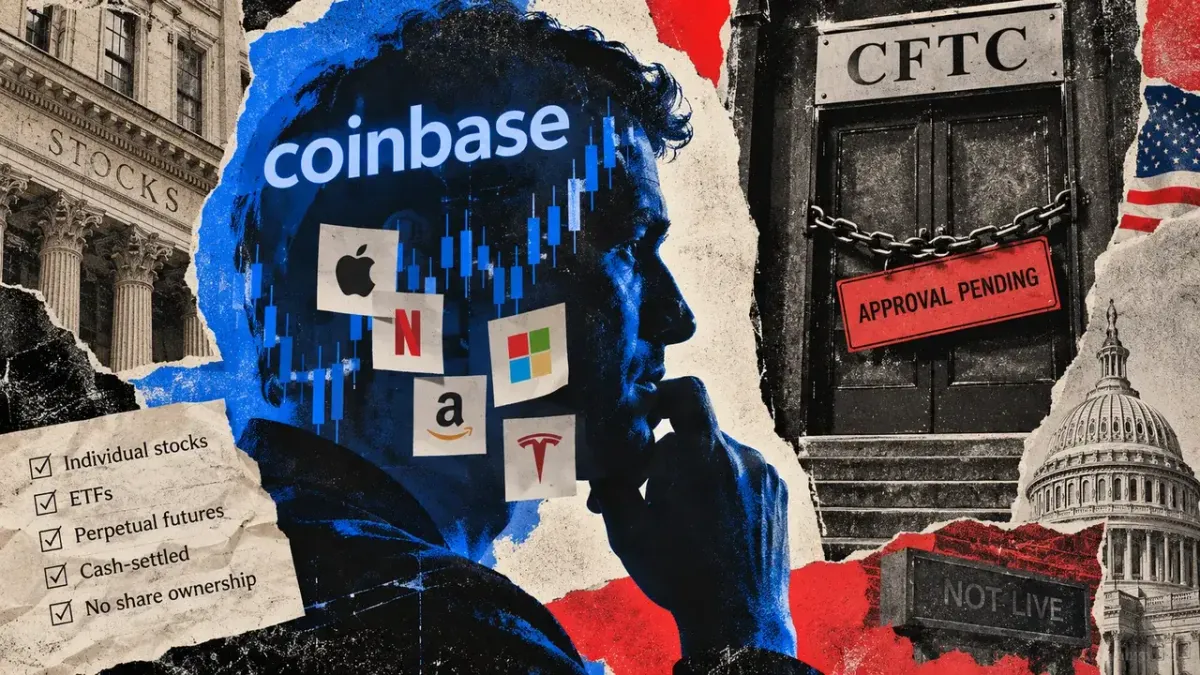
Coinbase plans to launch cash-settled stock futures amid CFTC delays
Coinbase adds fixed-rate bitcoin-backed loans through Morpho Midnight

Binance invests $100 million in Circle as part of expanded USDC partnership

Binance invests $100 million in Circle for USDC promotion over five years
Binance probed by U.S. federal prosecutors for sanctions violations: Bloomberg