Declining stock premiums challenge crypto treasury model, says DWF

A recent analysis by DWF has highlighted a significant shift in the crypto market, with many digital asset tokens (DATs) now trading below the value of their underlying crypto holdings. This trend poses a challenge to the treasury management model that has been a cornerstone for many companies in the crypto space, allowing them to leverage their digital assets for financing and expansion. The diminishing stock premiums have led to a reevaluation of strategies that were once considered effective for growing balance sheets.
The backdrop to this situation is the evolving landscape of cryptocurrencies and their acceptance in mainstream finance. In earlier years, many companies successfully utilized their crypto holdings as collateral, enhancing their financial standing and enabling them to raise capital more easily. However, as market conditions fluctuate and investor sentiment shifts, the ability of these companies to maintain or grow their value through this model has come into question.
This development is crucial for the crypto market as it signals a potential shift in how companies approach financing and asset management. A reduction in stock premiums could discourage investment in crypto-based businesses, leading to decreased liquidity and slower growth. The implications extend beyond individual companies, as they may affect overall market stability and investor confidence in the crypto sector.
Industry experts have expressed concern regarding this trend. Some believe that the fading stock premiums reflect a broader skepticism about the long-term viability of certain crypto business models. Others, however, argue that this could lead to a more sustainable approach to valuation and investment within the industry, as companies may be compelled to reassess their asset management strategies and focus on intrinsic value.
Looking ahead, it remains to be seen how companies will adapt to these changing conditions. Many may need to innovate and explore alternative financing avenues to counteract the challenges presented by declining stock premiums. As the market continues to evolve, stakeholders will be closely monitoring how these shifts impact the strategies of firms operating within the crypto space.

CoinMagnetic Team
Crypto investors since 2017. We trade with our own money and test every exchange ourselves.
Updated: September 2026
From our insights:
Related news

Sequans exits Bitcoin treasury strategy after selling remaining 314 BTC

On-chain activity surpasses $9 trillion despite $2 trillion bear market loss

Bitcoin slips below $85,000 as October Fed rate-hike expectations grow

SoFi shifts entire card program to blockchain with SoFiUSD stablecoin
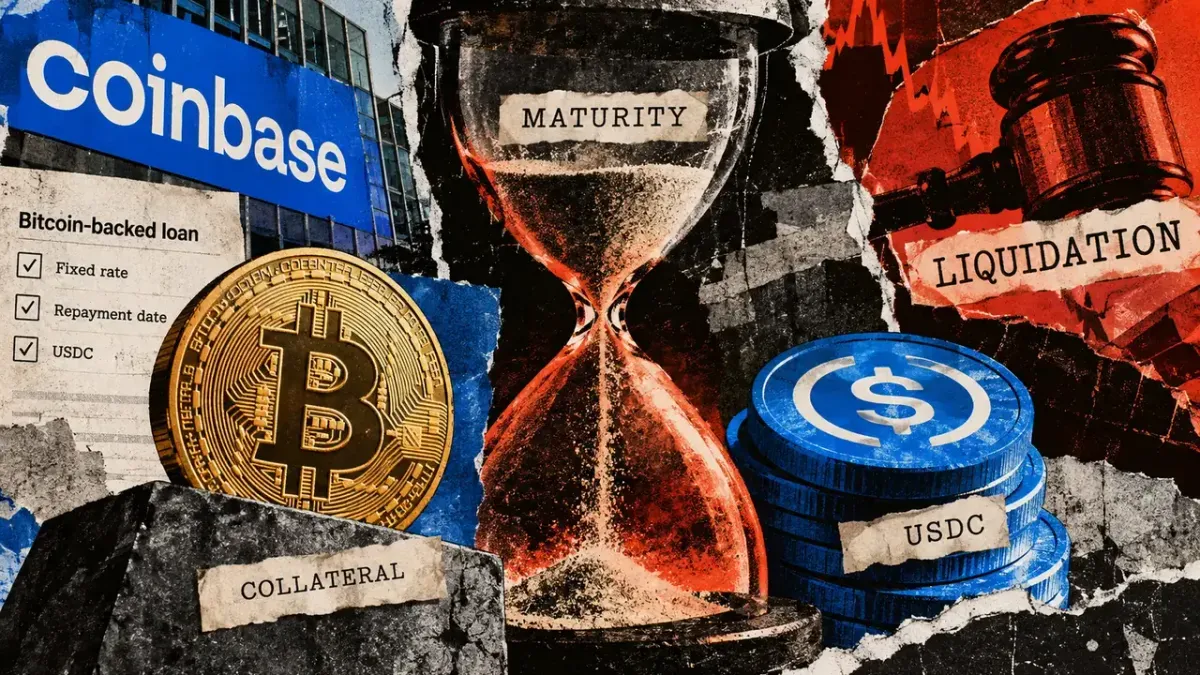
Coinbase’s fixed-rate Bitcoin loans can put healthy collateral at risk after maturity