Crypto should adopt the best of centralization, says LMAX CEO
In a recent statement, David Mercer, CEO of LMAX, emphasized the need for the cryptocurrency industry to adopt certain aspects of centralization to enhance its infrastructure. He pointed out that as digital assets continue to mature, integrating proven practices from traditional finance–particularly in areas like credit, clearing, and collateral systems–could significantly bolster the effectiveness and reliability of crypto markets. This perspective suggests that while decentralization is a foundational principle of cryptocurrencies, selectively incorporating centralized systems could pave the way for greater stability and trust among investors.
To understand the context of Mercer's remarks, it's important to recognize the ongoing evolution of the cryptocurrency market. Initially characterized by a strong emphasis on decentralization and the disruption of traditional financial systems, the crypto space has faced numerous challenges, including regulatory scrutiny, security breaches, and market volatility. As institutional participation grows, there is increasing recognition that certain centralized elements, which have provided stability and efficiency in traditional markets, could be beneficial for the digital asset ecosystem.
Mercer's call for a hybrid approach holds significant implications for the market. By borrowing best practices from centralized systems, the cryptocurrency industry could improve operational efficiencies, enhance security measures, and build investor confidence. This shift may help attract a broader range of institutional investors who have been hesitant to enter a market perceived as risky and unregulated. Furthermore, integrating centralized processes for clearing and settlement could streamline transactions, reduce counterparty risks, and create a more robust market infrastructure overall.
The industry reaction to Mercer's viewpoint has been mixed yet thought-provoking. Some experts agree that incorporating centralized features can enhance the trust and reliability of crypto exchanges, while others caution against straying too far from the core principles of decentralization that define cryptocurrencies. Industry leaders have expressed that finding the right balance between centralization and decentralization will be crucial as the market continues to develop. They highlight the importance of maintaining the innovative spirit of blockchain technology while ensuring that the infrastructure can support broader adoption and regulatory compliance.
Looking ahead, the next steps for the cryptocurrency industry may involve exploring collaborative efforts between traditional financial institutions and crypto platforms. As the lines between these sectors blur, we may see the emergence of new hybrid models that leverage the strengths of both worlds. This evolving landscape will likely prompt ongoing discussions about governance, trust, and the role of technology in shaping the future of finance. As stakeholders navigate these changes, the insights provided by leaders like David Mercer will be instrumental in guiding the industry toward a more stable and trustworthy framework.

CoinMagnetic Team
Crypto investors since 2017. We trade with our own money and test every exchange ourselves.
Updated: June 2026
From our insights:
Related news

Bitcoin's weekly close above $81,000 signals potential rise to $90,000

Elon Musk's X integrates bitcoin trading options for U.S. users
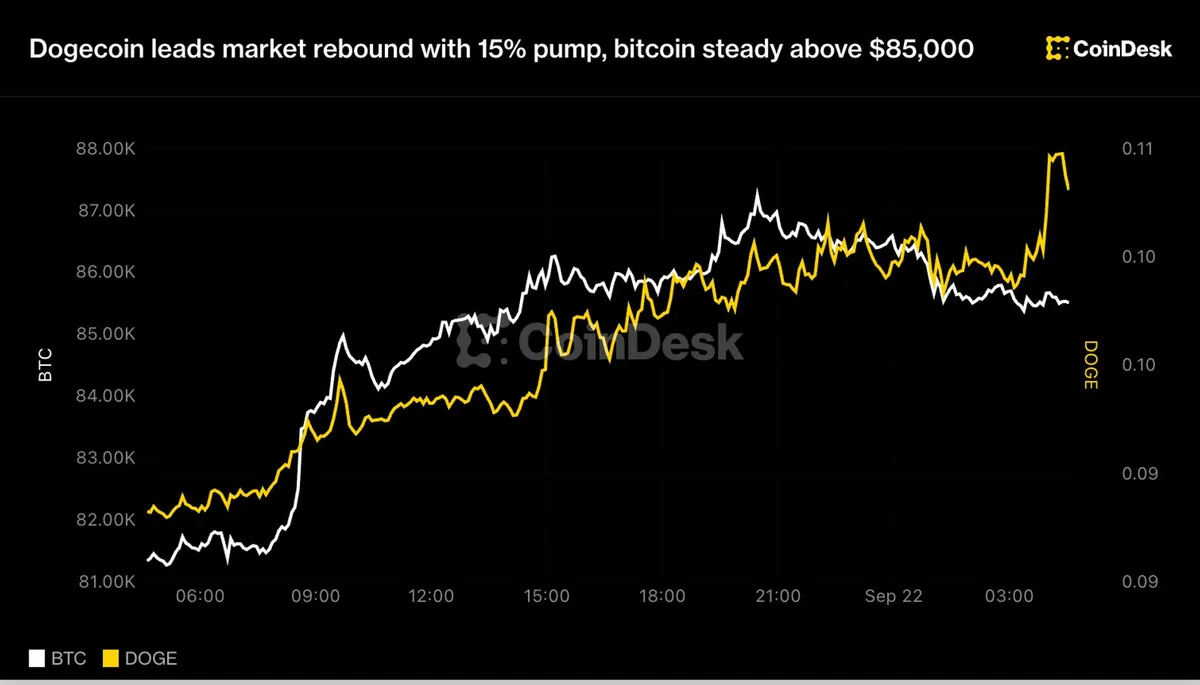
Dogecoin's 15% surge drives market recovery as bitcoin stabilizes above $85,000

Cardano adds tools for AI agent payments, joining Solana and XRP Ledger

Trueo prediction market moves from Base to Ethereum