Crypto's value is from being outside regulatory apparatus, says Arthur Hayes
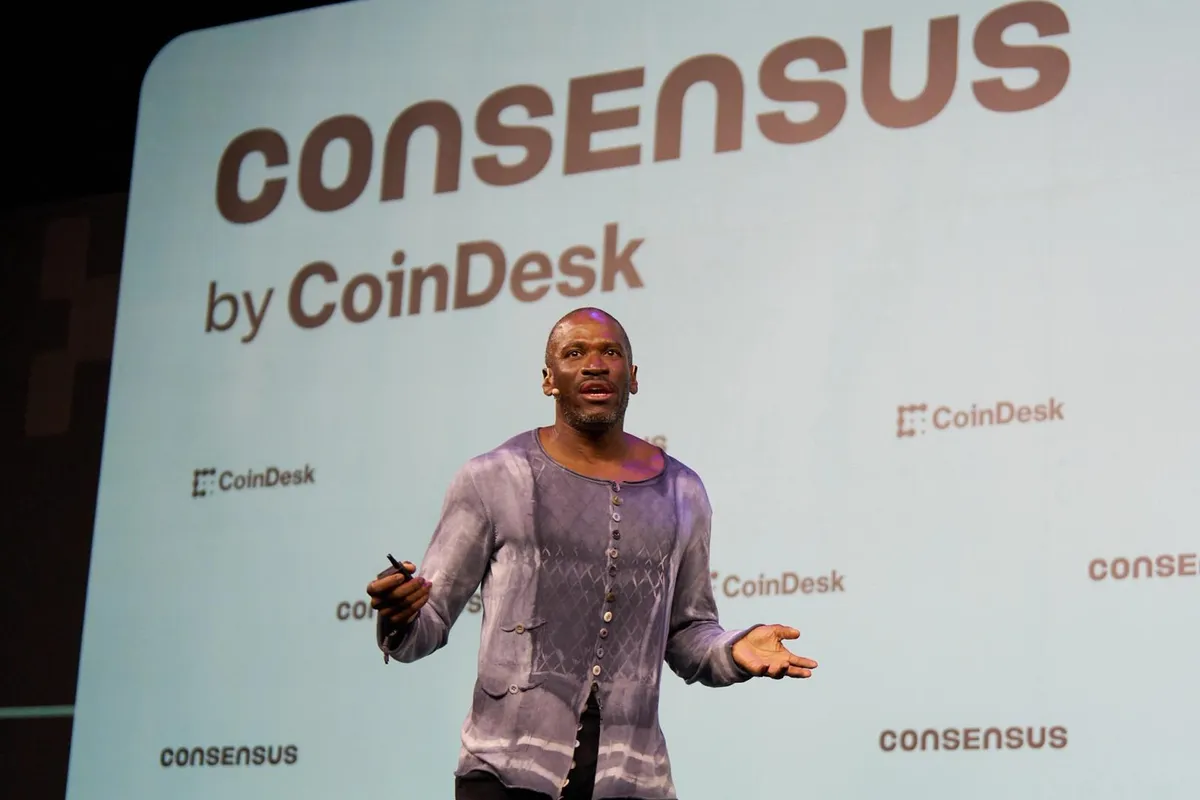
Arthur Hayes, the Chief Investment Officer of Maelstrom, recently made waves at Consensus Miami 2026 with his assertion that the core value of cryptocurrencies, particularly Bitcoin, is derived from their ability to operate outside of regulatory frameworks. Hayes emphasized that the true value proposition of Bitcoin hinges on its liquidity in fiat markets. His comments sparked a lively debate about the relationship between cryptocurrency and traditional financial systems, and the broader implications for investors and regulators alike.
To understand Hayes’s perspective, it's essential to consider the historical context of cryptocurrencies. Since the inception of Bitcoin in 2009, the crypto market has evolved significantly, often in response to regulatory scrutiny and economic pressures. The narrative surrounding Bitcoin as a decentralized asset has attracted both individual investors and institutional players, who see it as a hedge against inflation and a potential store of value. However, as regulations tighten globally, the discourse around the legitimacy and sustainability of cryptocurrencies continues to evolve.
Hayes’s argument is especially significant in the current market climate, where many cryptocurrencies have experienced considerable volatility. His focus on fiat liquidity suggests that the value of these digital assets is not merely a reflection of technological innovation but is also tightly linked to their acceptance and usability in traditional financial systems. This perspective may influence how investors approach crypto assets, potentially leading to increased interest in projects that prioritize fiat integration and liquidity.
Reactions to Hayes’s statements have been mixed within the industry. Some experts agree with his assessment, arguing that maintaining a degree of separation from regulatory bodies allows cryptocurrencies to thrive and innovate. Others, however, warn that this detachment could pose significant risks, particularly as governments around the world seek to establish clearer frameworks for digital currencies. The debate underscores the ongoing tension between the ideals of decentralization and the realities of regulation, which continues to shape the trajectory of the crypto market.
Looking ahead, it will be interesting to see how Hayes’s insights play out in the coming months, particularly as regulatory discussions gain momentum. Market participants may start to reassess their strategies based on the premise that liquidity in fiat markets is a critical driver of value. Additionally, as more jurisdictions consider their stance on cryptocurrency regulation, the dynamics between crypto assets and traditional finance will likely continue to evolve, highlighting the need for adaptability among investors and projects alike.

CoinMagnetic Team
Crypto investors since 2017. We trade with our own money and test every exchange ourselves.
Updated: May 2026
From our insights:
Related news

Arch Lending eyes tokenized stocks as next collateral market

Bitcoin rallies alongside record Nasdaq as oil prices decline on Iran prospects

European central banks push to expand stablecoin yield ban to crypto lending and staking

CME introduces Bitcoin Cash and Uniswap futures amid growing demand for crypto derivatives

Solstice CEO predicts less volatile future for crypto cycles amid liquidity growth