Crypto rails are becoming the default payment layer for AI agents, report says

A recent report from Keyrock highlights a significant shift in the payment landscape, indicating that stablecoins on blockchain networks are increasingly becoming the preferred payment layer for artificial intelligence (AI) agents. This transition is largely attributed to the limitations faced by traditional payment systems, particularly credit and debit cards, which struggle to manage the rapidly growing demand for micropayments. As AI applications proliferate across various sectors, the need for a more efficient and cost-effective payment solution has never been more pressing.
In recent years, the rise of AI technologies has transformed industries, creating new business models that often require real-time transactions at scale. Traditional payment systems, while reliable for larger transactions, often impose high fees and processing delays that make them unsuitable for the frequent, small-scale payments that AI applications typically require. This has led to an increased interest in blockchain technology, which offers faster and cheaper transaction capabilities through stablecoins–cryptocurrencies pegged to stable assets like the US dollar.
The implications of this trend are profound for the cryptocurrency market. As stablecoins gain traction as the default payment layer for AI agents, we may see a surge in adoption and use cases for blockchain technology across various sectors. This could potentially lead to increased demand for stablecoins and a broader acceptance of cryptocurrencies as a viable alternative to traditional fiat currencies. The growing intersection of AI and cryptocurrencies could also spark innovation, driving new applications and services that leverage both technologies.
Industry experts have weighed in on this development, emphasizing the importance of integrating stablecoins into AI-driven ecosystems. Many believe that this shift not only enhances transaction efficiency but also opens up new avenues for financial inclusion. By lowering barriers to entry for micropayments, blockchain-based stablecoins could empower businesses and individuals who previously found it difficult to engage in digital transactions. This sentiment is echoed by various stakeholders in the crypto space, who see the convergence of AI and blockchain as a catalyst for future growth.
Looking ahead, we can expect to see further advancements in the integration of stablecoins within AI applications. As the technology matures, more companies are likely to explore blockchain solutions to address the limitations of traditional payment systems. This evolution will not only benefit AI developers but also create opportunities for new business models that leverage the unique capabilities of both AI and blockchain technologies. The ongoing dialogue between these sectors will be crucial in shaping the future of digital payments and the broader financial landscape.

CoinMagnetic Team
Crypto investors since 2017. We trade with our own money and test every exchange ourselves.
Updated: May 2026
From our insights:
Related news

ZetaChain votes to shut down Layer 1 network and move ZETA to Solana

Solana reduces block times by 17% with latest upgrade, boosting transaction freshness

Optimism secures upgrade for Superchain to enable interoperability

Solana boosts transaction size by 3x amid surge in network activity
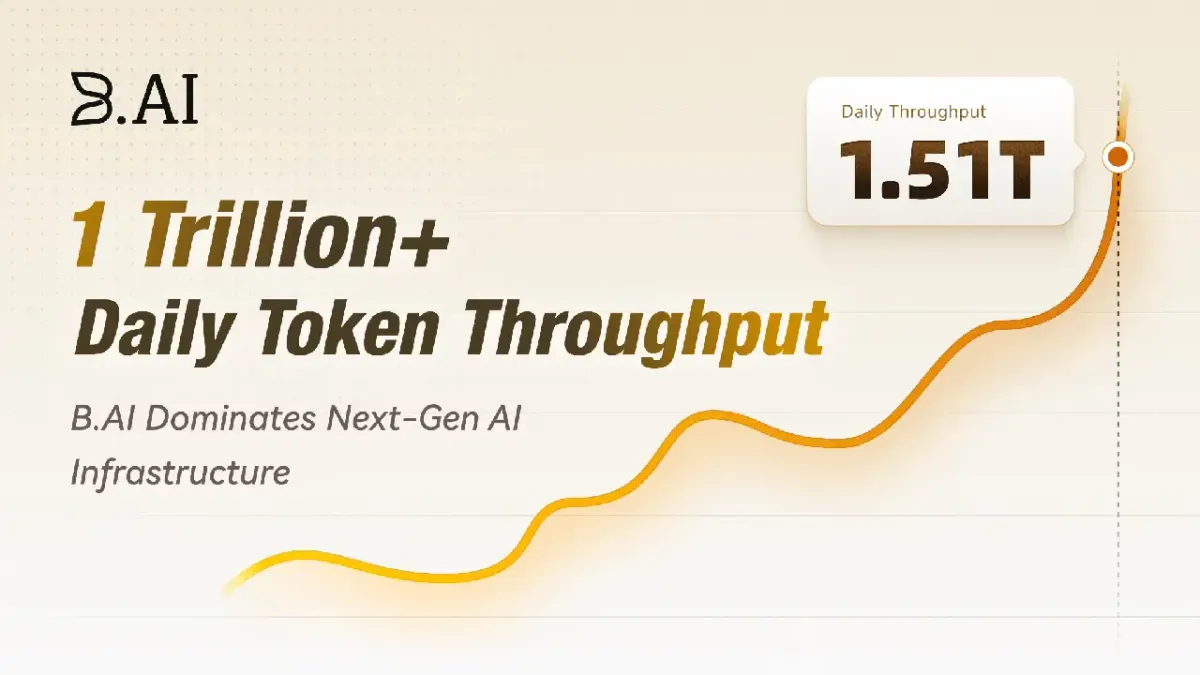
B.AI achieves record 1.51 trillion tokens daily throughput for AI infrastructure