Crypto promised to eliminate stockbrokers, but 94% of its tokenized market now relies on an Alpaca
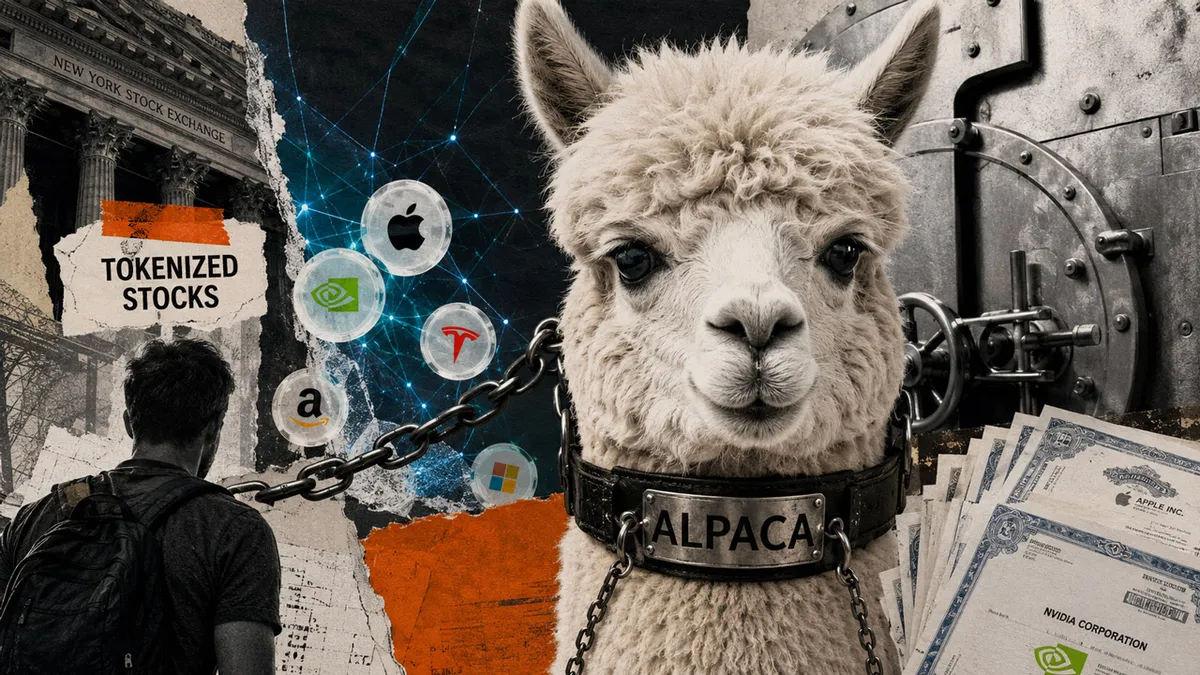
The crypto landscape has witnessed a paradigm shift in the way traditional assets are managed and traded, especially with the rise of tokenization. However, recent reports indicate that a staggering 94% of the tokenized equity market is currently reliant on Alpaca, a company that serves as a broker-dealer and custodian for these digital assets. Alpaca has been garnering attention for managing over $1.5 billion in shares that back these tokenized equities. This reliance raises questions about the initial promise of blockchain technology to decentralize financial markets and eliminate the need for intermediaries like stockbrokers.
To understand the implications of this development, it is essential to recognize the broader context of tokenization in finance. The idea behind tokenizing equities is to leverage the benefits of blockchain technology to create a more efficient, transparent, and accessible trading environment. As cryptocurrencies and blockchain solutions emerged, many envisioned a future where traditional financial intermediaries would be rendered obsolete. However, with major players like Alpaca stepping into the role of custodian for the majority of tokenized assets, the dream of a fully decentralized market appears to be further from reality than anticipated.
This situation has significant ramifications for the market. The dependency on a single entity like Alpaca for such a large portion of tokenized equities could introduce vulnerabilities, particularly regarding market manipulation, systemic risk, and regulatory scrutiny. Additionally, the U.S. Securities and Exchange Commission (SEC) has issued warnings about the potential risks associated with third-party stock tokens, emphasizing the importance of understanding ownership and intermediary risks. As regulators become increasingly vigilant, the future of tokenized assets could be shaped by stricter compliance requirements and operational constraints, potentially stifling innovation in the space.
Industry experts have voiced mixed reactions to this development. Some see it as a necessary step toward establishing a more regulated and secure environment for trading tokenized assets, while others express concern that it contradicts the very ethos of decentralization that cryptocurrencies were built upon. The role of custodians in the tokenized space is being critically examined, with calls for more diverse solutions that can reduce reliance on single points of failure. The ongoing dialogue among thought leaders in the crypto sphere will likely influence future innovations and regulatory approaches.
Looking ahead, the landscape for tokenized assets is poised for transformation as key players, including the Depository Trust & Clearing Corporation (DTCC), prepare to launch their own tokenization services. This could introduce competition and potentially lead to a more fragmented market, which may help alleviate the concentration risk posed by Alpaca. As the regulatory environment evolves and new services emerge, stakeholders in the crypto and finance sectors will need to navigate these changes carefully to ensure that the benefits of tokenization are fully realized while mitigating the inherent risks associated with such a centralized framework.

CoinMagnetic Team
Crypto investors since 2017. We trade with our own money and test every exchange ourselves.
Updated: July 2026
From our insights:
Related news

LIBRA token dismissal shields Milei and 10 others from fraud claims

Sweden restricts staff to Microsoft Copilot while locking out ChatGPT and Claude
Preferred stock dividends fuel strategies for nearly 136,000 bitcoin acquisitions

Corporate pushback against SEC-exempt tokenized stocks masks long-term interest

Milei cleared of fraud allegations following the LIBRA memecoin crash