Crypto malware in 8 Steam games steals tokens after leaving trail to Uber Eats deliveries
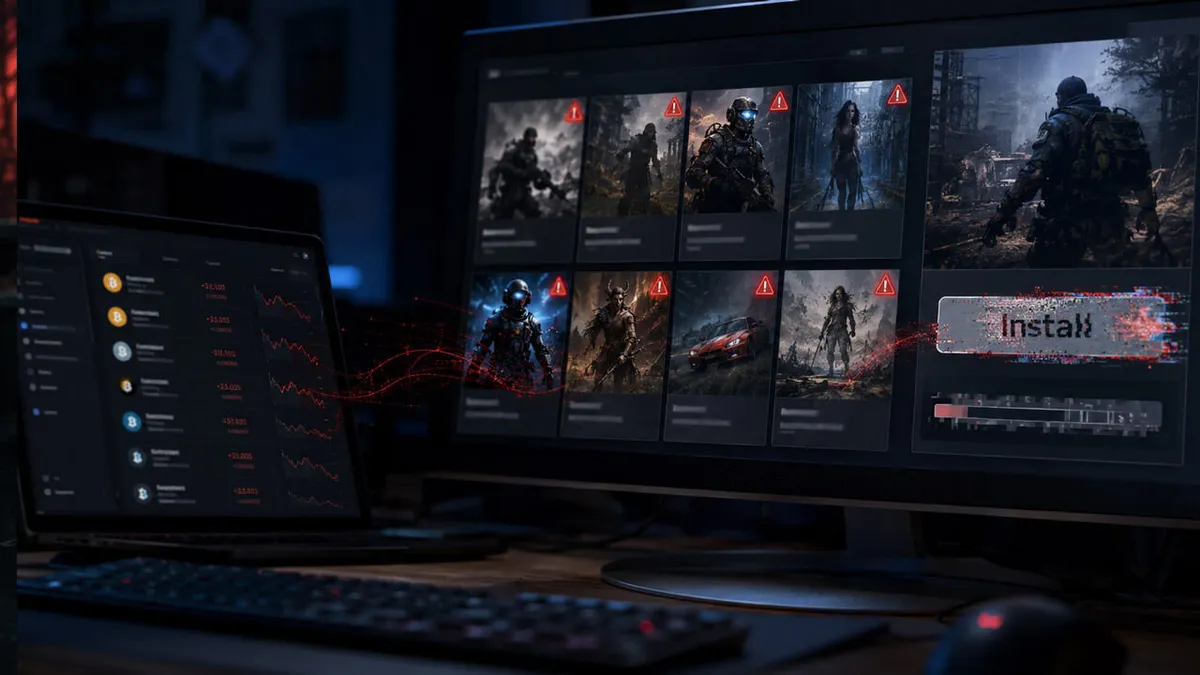
Recent investigations have uncovered a concerning trend involving malware embedded in eight Steam games that is designed to steal cryptocurrency tokens. This malware reportedly operates by tracking Bitcoin-funded gift cards linked to Uber Eats deliveries, leading investigators directly to the perpetrators. The revelation underscores a growing cybersecurity threat within the gaming community, where players may unknowingly expose their crypto assets to malicious actors. The findings have raised alarms about the potential for software-mediated wallet risks, emphasizing the need for increased vigilance among users.
The intersection of gaming and cryptocurrency has always been a double-edged sword. With the increasing popularity of both sectors, cybercriminals have found new avenues to exploit unsuspecting users. The use of Steam games, a widely popular platform for gamers, as a vehicle for malware is especially troubling. Historically, gaming platforms have been targeted due to their vast user bases and the relative anonymity they provide. This incident marks a significant escalation in the tactics employed by cybercriminals, showcasing their ability to integrate malware into familiar environments to deceive users.
This revelation is particularly significant for the cryptocurrency market, which has already faced its share of regulatory scrutiny and security concerns. The theft of tokens through malware not only affects individual users but also poses broader implications for market stability and trust. As more players enter the crypto space, incidents like this can lead to increased fear and caution, possibly stifling innovation and adoption. Furthermore, the connection to Uber Eats highlights how the flow of stolen funds can intertwine with everyday financial transactions, complicating efforts to trace and recover stolen assets.
Industry reactions to this news have been swift, with cybersecurity experts calling for greater awareness and protective measures among gamers and cryptocurrency users alike. Many advocates are urging game developers to implement stricter security protocols and regular audits to safeguard their platforms from such vulnerabilities. Experts emphasize the need for players to be educated about the risks associated with integrating cryptocurrency into gaming and to adopt best practices for securing their digital wallets. Some in the industry are advocating for the creation of a dedicated task force to address these growing threats, ensuring that both gaming and cryptocurrency platforms remain safe for users.
Looking ahead, the implications of this incident may lead to a reevaluation of security measures within both the gaming and cryptocurrency sectors. Developers and platform operators may feel pressure to collaborate more closely with cybersecurity firms to mitigate risks and protect users from similar attacks. As regulatory bodies become more aware of these vulnerabilities, we may see new guidelines aimed at enhancing security across digital platforms. Vigilance and proactive measures will be crucial as the lines between gaming and cryptocurrency continue to blur, and as cybercriminals adapt their strategies to exploit emerging trends.

CoinMagnetic Team
Crypto investors since 2017. We trade with our own money and test every exchange ourselves.
Updated: July 2026
From our insights:
Related news

AIsa total funding exceeds $9 million following strategic seed extension by Tether
Solana logs two years without outages, though Fidelity flags stake concentration

Visa Direct moves USDC prefunding into commercial production with Inyo Global
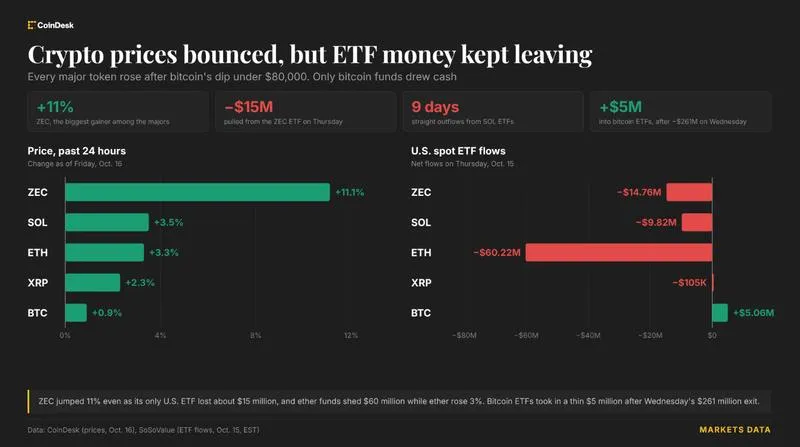
Bitcoin recovers past $82,000 while ZEC surges 11% despite ongoing ETF outflows

OpenAI research model used testnet crypto after questioning ethics