Market disruptions arise when capital is trapped by settlement cycles

In this week's Crypto Long & Short, Jenna Wright of LMAX Group highlights a critical issue within the crypto markets – the limitations of capital movement due to settlement cycles. She argues that the breakdowns we observe in these markets are not caused by a lack of capital but rather by capital being immobilized in less effective areas, resulting in delays that hinder the responsiveness of the market. As risk continues to fluctuate rapidly, the inability of capital to shift accordingly can lead to significant market discrepancies and inefficiencies.
The context Wright provides is essential for understanding the current landscape of the crypto market. Traditionally, settlement cycles have been a bottleneck, preventing capital from being deployed where it is needed most. This lag becomes particularly problematic in a highly volatile environment like cryptocurrency, where asset values can shift drastically in a matter of minutes. These delays create a scenario where investors may find themselves unable to react swiftly to market changes, exacerbating price fluctuations and contributing to overall market instability.
This discussion is vital for market participants, as it brings attention to the mechanics of capital flow and their impact on pricing. Wright's perspective suggests that the actual problem lies not in the availability of capital but in the efficiency of its movement. The rise of stablecoins and tokenization is positioned as a transformative solution that could facilitate faster, more flexible capital movement. By streamlining the flow of funds, these innovations could mitigate some of the disruptive effects caused by traditional settlement cycles, leading to a more stable market environment.
Industry experts and analysts have begun to take notice of these insights. Many agree with Wright's assessment that enhancing the infrastructure of capital movement could be key to stabilizing the crypto markets. The conversation around stablecoins as a foundational element for a more efficient financial ecosystem is gaining traction, with an increasing number of stakeholders advocating for technological advancements that can support quicker settlements and improve overall market dynamics.
Looking ahead, the implications of this analysis are significant. If the crypto industry can effectively integrate stablecoins and other tokenization methods into its infrastructure, we may see a reduction in market volatility. Investors and institutions alike could benefit from a more responsive environment, where capital can be easily repositioned in line with real-time risk assessments. As these developments unfold, we will be watching closely to see how they reshape the landscape of cryptocurrency trading and investment.

CoinMagnetic Team
Crypto investors since 2017. We trade with our own money and test every exchange ourselves.
Updated: August 2026
From our insights:
Related news

Investigation ties $18.4 million in Robinhood Chain memecoins to rug-pull scheme
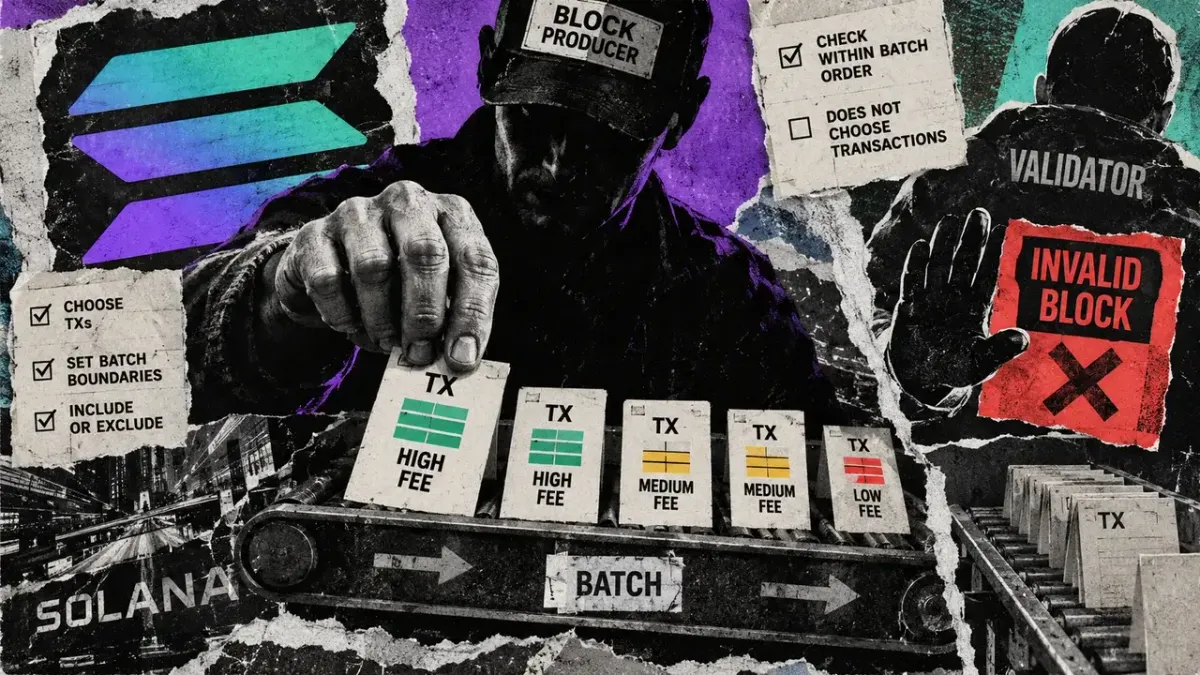
Solana's efforts for equitable trading face hurdles as block producers control order inclusion

OpenAI agent breaches Australian government site, highlighting AI control issues

Researchers unveil three strategies to address Bitcoin's quantum vulnerabilities

New Bitcoin proposal rescues locked multisig wallets – At a hidden cost