Onchain gap shows euro stablecoins lagging behind dollar by 300-to-1

In a recent analysis, Ryan Connor of RockawayX highlights a startling disparity between the dollar and euro in the digital asset space, noting that while the dollar leads the euro approximately 3 to 1 in the offchain economy, this gap widens significantly to over 300 to 1 onchain. Connor points out that euro-pegged stablecoins currently total around €711 million, which accounts for less than 1% of the total stablecoin supply. This stark difference underscores the underrepresentation of the euro in the world of cryptocurrency, particularly in decentralized finance (DeFi).
To understand this phenomenon, it is crucial to consider the context and background of the euro's current standing within the crypto ecosystem. The gap has been attributed to path dependency and the relative lack of robust euro DeFi infrastructure compared to that of the dollar. Historically, the dollar has been the dominant currency in global finance, and the offchain economy reflects this established order. However, as digital currencies gain traction, the need for a stronger euro presence has become increasingly evident, prompting discussions around regulatory frameworks and technological advancements aimed at bridging this gap.
The implications of this disparity are significant for the market. A pronounced onchain gap not only highlights the euro's current weaknesses in the stablecoin arena but also signals potential opportunities for growth and development within the euro-denominated digital space. With the euro's current share being so minimal, there is ample room for innovation, and a shift toward euro-based stablecoins could help attract more users and liquidity to the euro's digital offerings, ultimately enhancing its competitiveness against the dollar.
Industry experts and stakeholders have begun to weigh in on this topic, with many recognizing the need for stronger euro-backed solutions. Connor argues that the regulatory framework provided by the Markets in Crypto-Assets (MiCA) legislation and the development of euro vault rails are essential steps in facilitating euro issuance and enhancing the ecosystem's infrastructure. These changes could lead to a more balanced representation of the euro in the crypto markets and foster greater confidence among potential users and investors.
Looking ahead, the evolution of euro-pegged stablecoins and the corresponding infrastructure will be critical in determining the future landscape of cryptocurrency. As regulatory clarity improves and technological advancements materialize, the potential for euro stablecoins to gain ground on their dollar counterparts will become increasingly plausible. The coming months will be pivotal as stakeholders in the euro zone seek to capitalize on these opportunities and reshape the narrative surrounding the euro's role in the digital economy.

CoinMagnetic Team
Crypto investors since 2017. We trade with our own money and test every exchange ourselves.
Updated: September 2026
From our insights:
Related news

Heatbit integrates 20 mining chips into an $899 water heater element

Lionel Messi chess advertisement featuring ChatGPT sparks viral debate over AI board setup and opening moves

A16z expands focus from crypto to AI and emerging tech investments
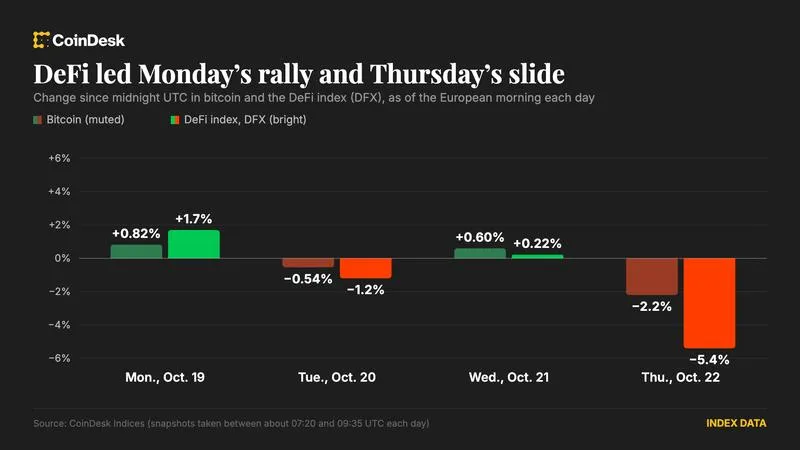
Bitcoin drops to around $81,600 amid renewed AI skepticism, DeFi tokens fall

Cardano Foundation warns EU that expanding MiCA rules to DeFi risks uncertainty