Crypto Kiosk Scams Cost Texans $57M as Lawmakers Weigh a Ban
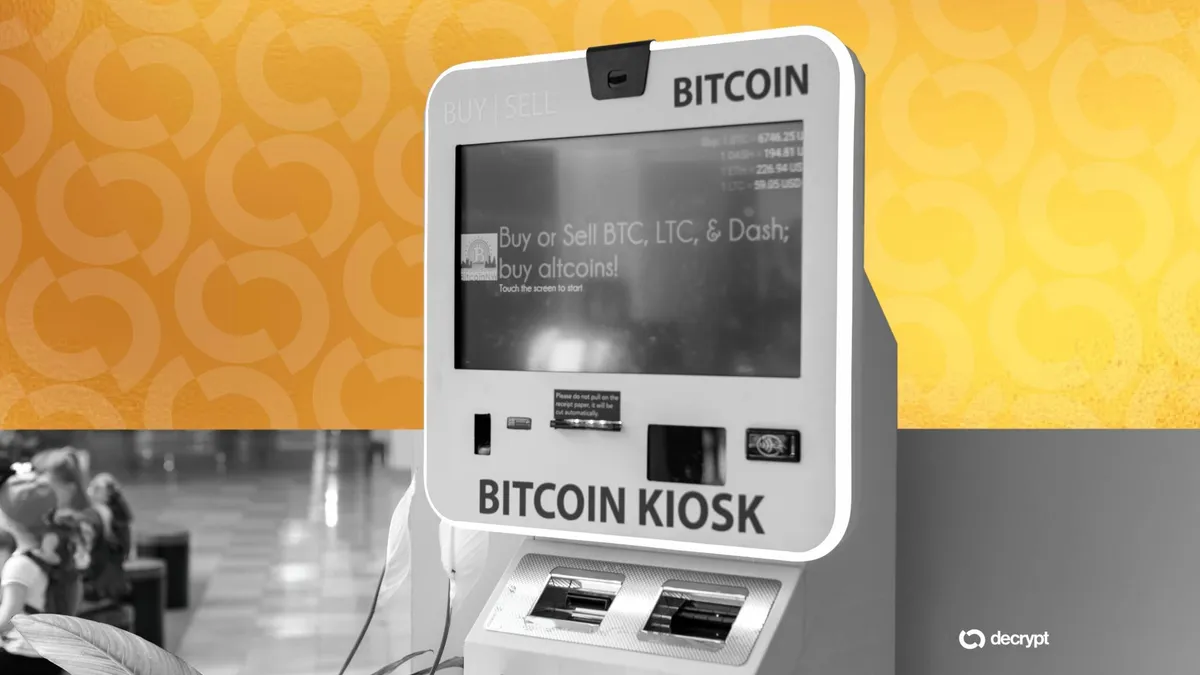
Recent reports indicate that Texans have lost approximately $57 million to scams involving crypto kiosks, commonly known as Bitcoin ATMs. This alarming figure has triggered discussions among state lawmakers about the necessity of stricter regulations or an outright ban on these kiosks. A committee chair has hinted that Texas may take a more aggressive stance than merely regulating these machines, raising the possibility of legislation that could eliminate them altogether from the state's landscape.
The rise in scams associated with crypto kiosks is not an isolated incident but rather part of a broader trend observed across the United States. States like New York, New Jersey, and California have already implemented bans on Bitcoin ATMs due to concerns over fraud and consumer protection. As cryptocurrencies have gained popularity, so too have the number of scams targeting unsuspecting investors. The proliferation of these kiosks, which ostensibly provide a convenient way to buy and sell digital assets, has led to an increase in fraudulent activities, further complicating the regulatory landscape.
This situation holds significant implications for the cryptocurrency market, particularly in Texas, which has been seen as a burgeoning hub for crypto innovation. A ban on Bitcoin ATMs could deter potential investors and stifle the growth of businesses that rely on these machines for transactions. Furthermore, it sends a message to the wider market about the need for enhanced consumer protection measures in the crypto space. If other states follow Texas's lead, we could see a domino effect that impacts the availability of Bitcoin ATMs nationwide, potentially limiting access for legitimate users.
Industry reactions to the potential ban have been mixed. Some crypto advocates argue that the focus should be on better education and consumer protection rather than outright bans, which they believe could hinder innovation and economic growth. On the other hand, consumer protection advocates are applauding the proposed measures, arguing that they are necessary to safeguard vulnerable individuals from scams. Experts in the field have also weighed in, suggesting that a balanced approach is essential–one that allows for the continued growth of the crypto market while implementing safeguards against fraud.
Looking ahead, the Texas legislature is expected to deliberate on this pressing issue in the coming months. As lawmakers grapple with the implications of crypto kiosks, the outcome could set a precedent for other states and shape the future regulatory framework for cryptocurrency in the United States. Stakeholders across the industry will be closely monitoring developments, as the decisions made in Texas could have far-reaching effects on how cryptocurrencies are accessed and used across the country.

CoinMagnetic Team
Crypto investors since 2017. We trade with our own money and test every exchange ourselves.
Updated: July 2026
From our insights:
Related news
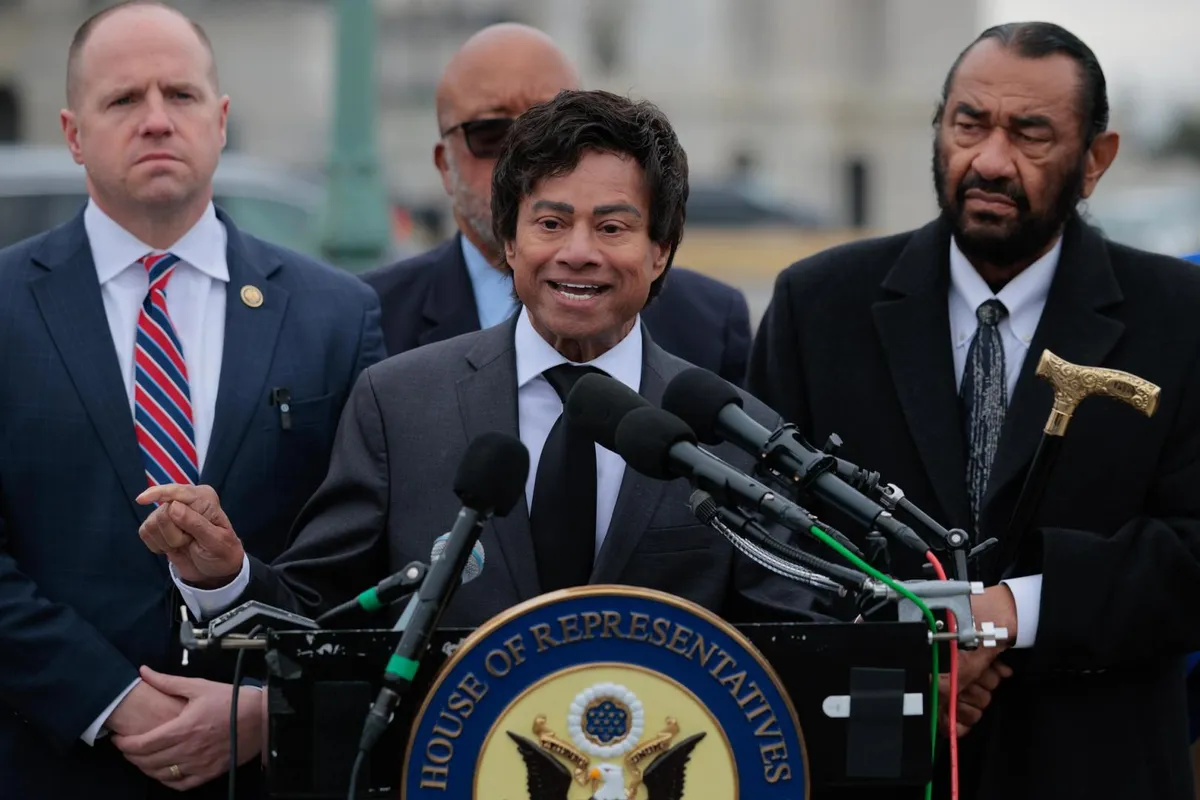
Rep. Thanedar emphasizes urgency of passing the Clarity Act for innovation
Clarity Act could boost Ether, Solana, and XRP prices if approved

Banks could benefit from regulatory clarity provided by Clarity Act
Hacker exploits coding error to steal $7.8 million from crypto wallet
ARMA bill to legally establish US Bitcoin reserve faces bipartisan challenges