Crypto is no longer a single industry, and that may be bullish

Recent developments in the cryptocurrency landscape indicate a significant shift in the market's dynamics, leading some experts to argue that these changes could be bullish for the sector. Bitcoin, the industry's flagship asset, is attracting substantial institutional investment through exchange-traded funds (ETFs), highlighting its growing acceptance as a digital asset class. Meanwhile, decentralized finance (DeFi) contracts are expanding their applications into payment infrastructures, and stablecoins are increasingly being utilized for a broader range of financial transactions. In contrast, altcoins seem to be lagging behind, and while layer-2 (L2) networks are processing record transaction volumes, their associated tokens have been experiencing relatively stagnant prices.
To understand this evolving landscape, it's essential to consider the historical context of the cryptocurrency industry. Traditionally, the market has operated as a monolithic entity where the fortunes of Bitcoin often dictated the movements of altcoins and other sectors. However, the emergence of diverse use cases–from DeFi to NFTs–has fostered a more fragmented market. This diversification means that various segments can experience growth or decline independently, which can lead to contrasting market sentiments.
This shift in market behavior is crucial as it may suggest a maturation of the cryptocurrency ecosystem. A more segmented market implies that investors can find opportunities in specific sectors based on technological advancements and adoption rates rather than relying solely on Bitcoin's performance. This independence among various crypto sectors can lead to a more resilient market, potentially attracting a broader range of institutional and retail investors looking for exposure to niche markets.
Industry experts have started weighing in on these developments, and some, like Bitwise CEO Hunter Horsley, argue that this divergence could be beneficial in the long run. They suggest that as the crypto market evolves into a multi-faceted ecosystem, it may help to stabilize price movements and reduce volatility. The ability for various segments to thrive independently could provide a safety net during downturns in other areas, fostering a more sustainable growth trajectory for the entire industry.
Looking ahead, the implications of this segmentation are significant. As the cryptocurrency market continues to evolve, we may witness further specialization within sectors, leading to the creation of new products and services tailored to specific use cases. Investors and developers alike will need to adapt to this changing landscape, and those who can identify emerging trends within this multi-layered ecosystem may find themselves at a distinct advantage. The ongoing evolution of the crypto market could lead to exciting opportunities for innovation and investment in the coming months and years.

CoinMagnetic Team
Crypto investors since 2017. We trade with our own money and test every exchange ourselves.
Updated: May 2026
From our insights:
Related news

Bitcoin's weekly close above $81,000 signals potential rise to $90,000

Elon Musk's X integrates bitcoin trading options for U.S. users
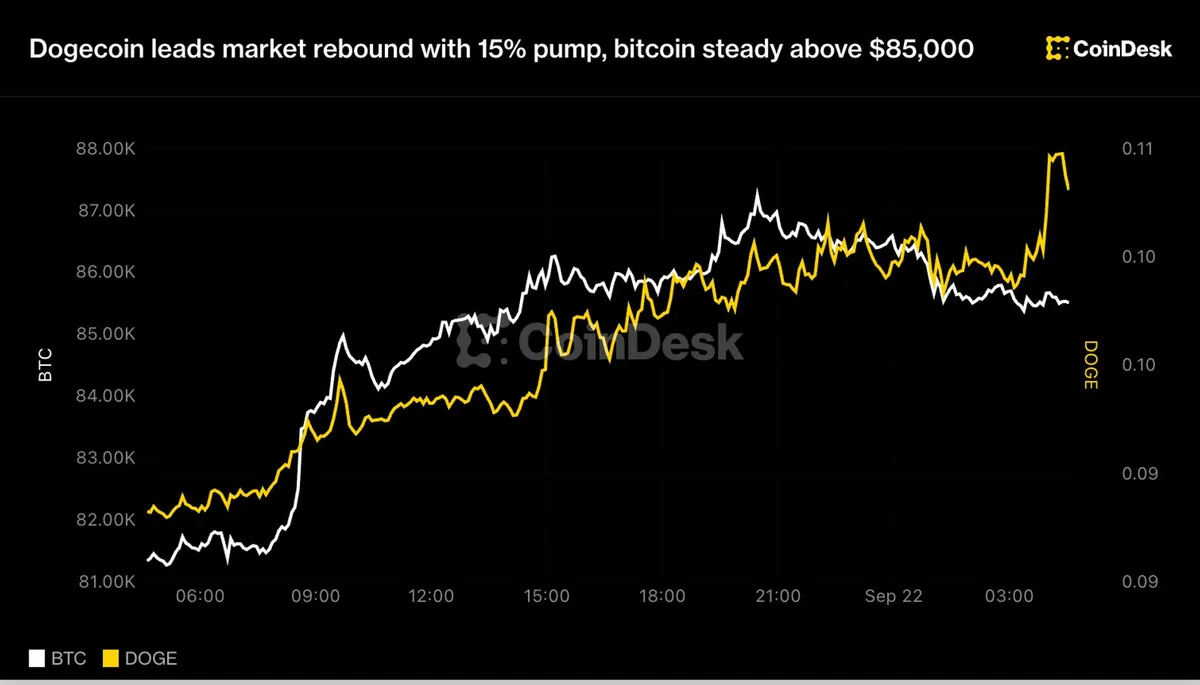
Dogecoin's 15% surge drives market recovery as bitcoin stabilizes above $85,000

Cardano adds tools for AI agent payments, joining Solana and XRP Ledger

Trueo prediction market moves from Base to Ethereum