Crypto Industry Fights Senator Warren's Claim That Coinbase, Ripple Bank Charter Approvals Are Illegal
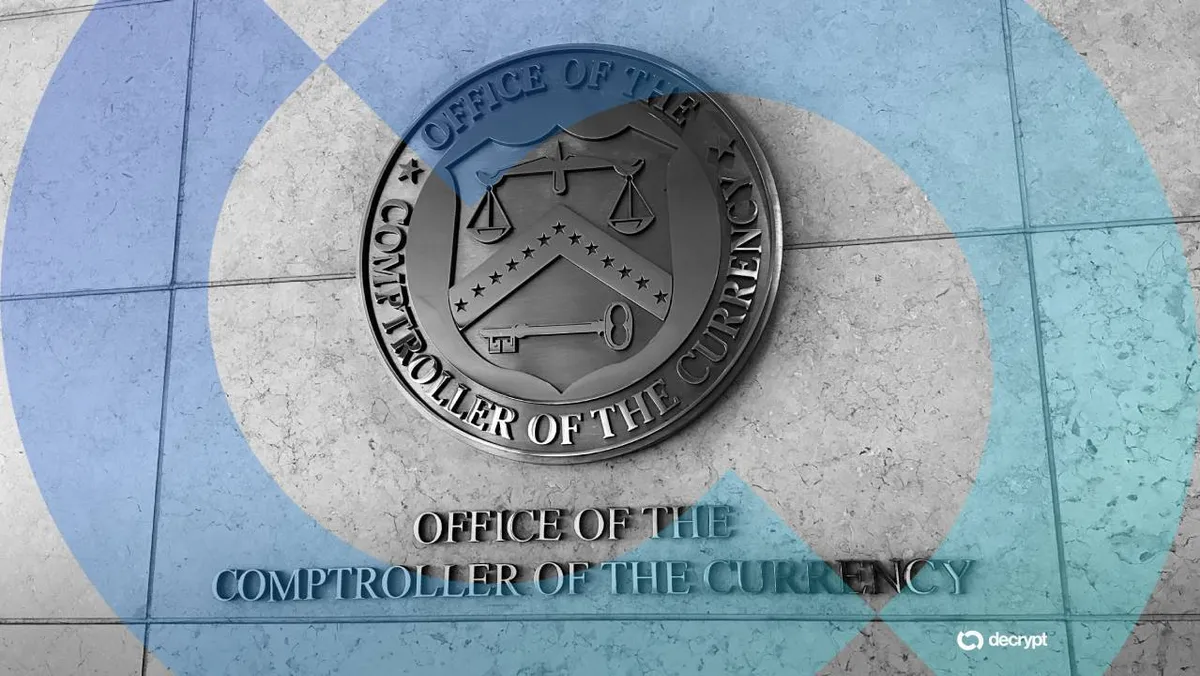
The ongoing debate surrounding the legitimacy of national bank charter approvals for cryptocurrency firms has intensified, particularly in light of recent comments from Senator Elizabeth Warren. On Tuesday, the Digital Chamber of Commerce took a stand, urging the Office of the Comptroller of the Currency (OCC) to uphold its decisions regarding the approvals granted to companies such as Coinbase and Ripple. Senator Warren has been vocal in her opposition, labeling these approvals as improper and raising concerns about potential regulatory overreach and the implications for consumer protection and financial stability.
To understand the backdrop of this controversy, it’s essential to recognize the evolving landscape of cryptocurrency regulation in the United States. The OCC has been proactive in granting national bank charters to crypto firms, a move seen by many as a step toward legitimizing the industry within the traditional banking framework. This has created a significant shift in how cryptocurrencies are perceived and regulated, but it has also drawn criticism from certain lawmakers, including Warren. Her stance reflects broader anxieties regarding the intersection of traditional finance and emerging technologies, particularly in terms of safeguarding consumers and ensuring compliance with existing financial regulations.
The implications of this debate extend beyond political rhetoric; they have the potential to shape the future of cryptocurrency regulation in the U.S. If the OCC stands firm in its approvals, it could pave the way for increased institutional adoption of cryptocurrencies, fostering a more stable and regulated environment. Conversely, if the criticisms resonate and lead to regulatory pushback, it may hinder the growth of the crypto sector and deter new entrants from seeking similar charters. The outcome of this situation could set critical precedents for how digital assets are regulated in the future, influencing both market dynamics and investor confidence.
Industry experts have expressed mixed views on the matter. Supporters of the OCC's decisions argue that granting bank charters to cryptocurrency firms will enhance legitimacy and oversight, ultimately benefiting consumers. They emphasize that a regulated environment can help mitigate risks associated with digital assets, such as fraud and market volatility. On the other hand, critics echo Senator Warren's concerns, arguing that the unique nature of cryptocurrencies necessitates tailored regulations rather than a one-size-fits-all approach that traditional banking laws may impose. This divide highlights the ongoing struggle within the industry to find a balance between innovation and regulation.
As the situation unfolds, it remains to be seen how the OCC will respond to the mounting pressure from legislators and whether further clarifications or adjustments to their charters will be necessary. The Digital Chamber’s appeal suggests a strong desire within the crypto community to assert their position and protect the advancements made thus far. Moving forward, the dialogue between regulators, lawmakers, and industry stakeholders will be crucial in shaping the regulatory framework that governs the future of cryptocurrency in the United States.

CoinMagnetic Team
Crypto investors since 2017. We trade with our own money and test every exchange ourselves.
Updated: May 2026
From our insights:
Related news

Crypto sector emerges as top donor with $206 million in midterms backing
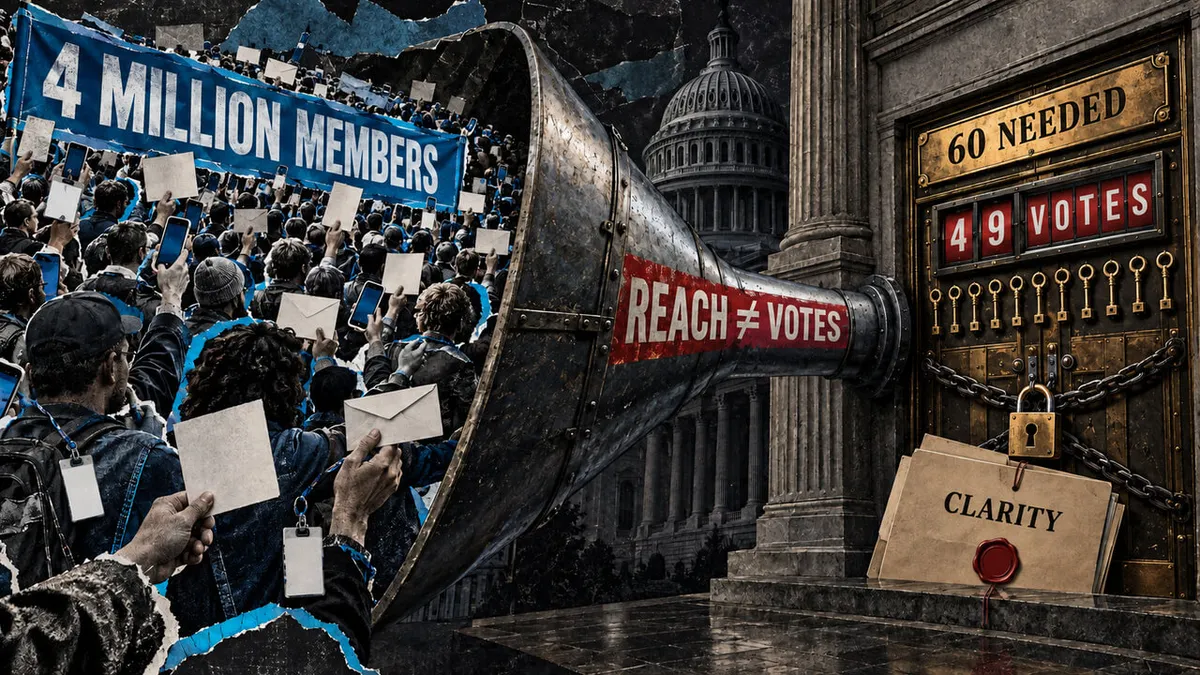
Stand With Crypto’s 4 million registered advocates couldn’t get the CLARITY Act through the Senate

Kakao Pay, KakaoBank to explore stablecoin opportunities with Fireblocks

US Attorney's investigation into Binance focuses on Iran sanctions compliance

ECB initiates wholesale digital euro for banks and tokenized bond purchases