Crypto has ‘limited utility’ in solving AI’s trust and payment issues, IC3 researchers say

Recent insights from researchers at the Initiative for Cryptocurrency and Contracts (IC3) have stirred the ongoing discourse surrounding the intersection of artificial intelligence (AI) and cryptocurrency. Their findings indicate that while integrating crypto wallets into AI systems may seem appealing, it holds limited utility in addressing the fundamental challenges of trust and payment within AI frameworks. The researchers argue that the mere act of granting AI agents access to cryptocurrency does not inherently empower them to function autonomously or resolve the complexities surrounding trust in their operations.
To understand the implications of these findings, it's essential to consider the backdrop of the current technological landscape. The marriage of AI and cryptocurrency has garnered significant attention as both fields advance rapidly. Proponents of this integration often suggest that cryptocurrency could provide a decentralized method for AI agents to transact and validate actions without human intervention. However, the IC3 researchers challenge this notion, contending that the real issues of trust, accountability, and regulatory compliance remain unaddressed, regardless of the payment mechanism employed.
The significance of these findings is twofold. First, they highlight a critical gap in the understanding of AI capabilities and the limitations of current cryptocurrency solutions. As the market evolves, stakeholders must recognize that simply equipping AI with financial tools does not equate to enhanced functionality or ethical operation. Additionally, this discourse may influence investor sentiment and regulatory discussions, as stakeholders assess the viability of AI projects that rely on cryptocurrencies to facilitate operations.
Industry reactions to the IC3 report have been varied, with some experts applauding the researchers for their candid analysis, while others express skepticism about the limitations they outline. Some proponents of AI-crypto integration argue that the potential for smart contracts and blockchain technology to provide transparency could bridge some trust issues. However, many industry leaders acknowledge the need for a more nuanced understanding of how these technologies can work together effectively. The ongoing debate signals that while innovation in these fields is crucial, careful consideration of the underlying challenges is equally important.
Looking ahead, it is clear that further research and dialogue will be essential in navigating the relationship between AI and cryptocurrency. As both sectors continue to evolve, we may see new frameworks and methodologies emerging that could address the concerns raised by the IC3 researchers. Policymakers, technologists, and investors alike will need to stay engaged in this conversation to ensure that the integration of AI and crypto is both practical and ethical, paving the way for developments that enhance trust and efficiency in the digital economy.

CoinMagnetic Team
Crypto investors since 2017. We trade with our own money and test every exchange ourselves.
Updated: June 2026
From our insights:
Related news

Bitcoin's weekly close above $81,000 signals potential rise to $90,000

Elon Musk's X integrates bitcoin trading options for U.S. users
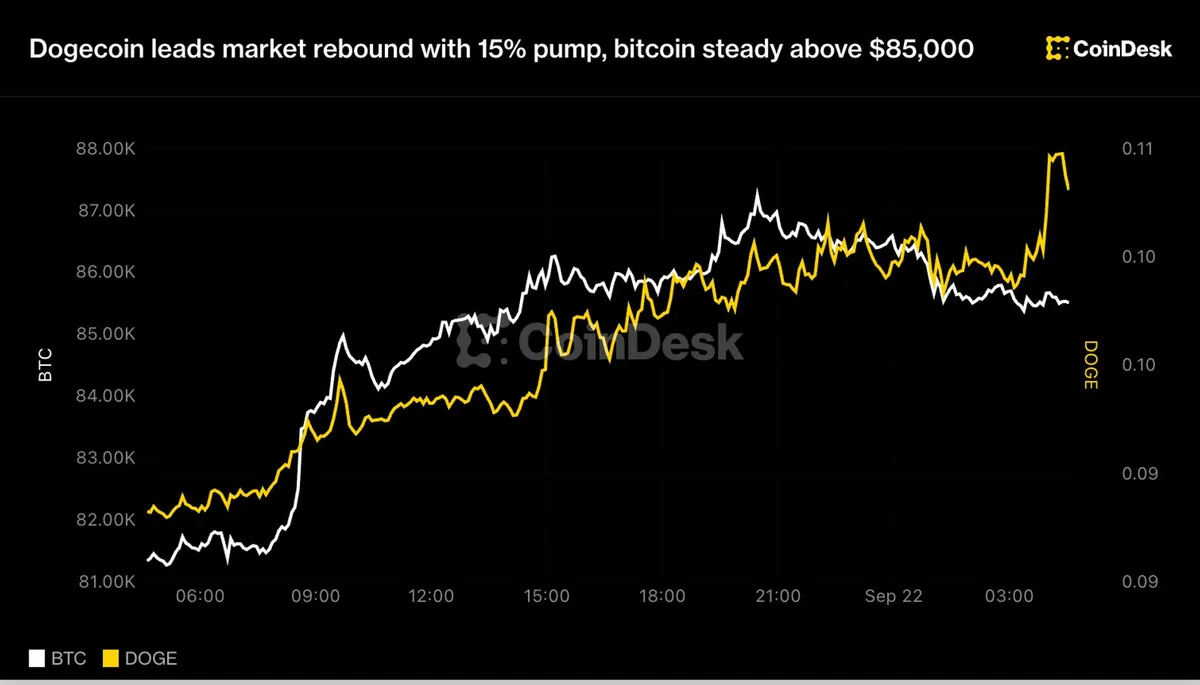
Dogecoin's 15% surge drives market recovery as bitcoin stabilizes above $85,000

Cardano adds tools for AI agent payments, joining Solana and XRP Ledger

Trueo prediction market moves from Base to Ethereum