Crypto exchanges are selling stock options and tokenized stocks but users may not own what they think
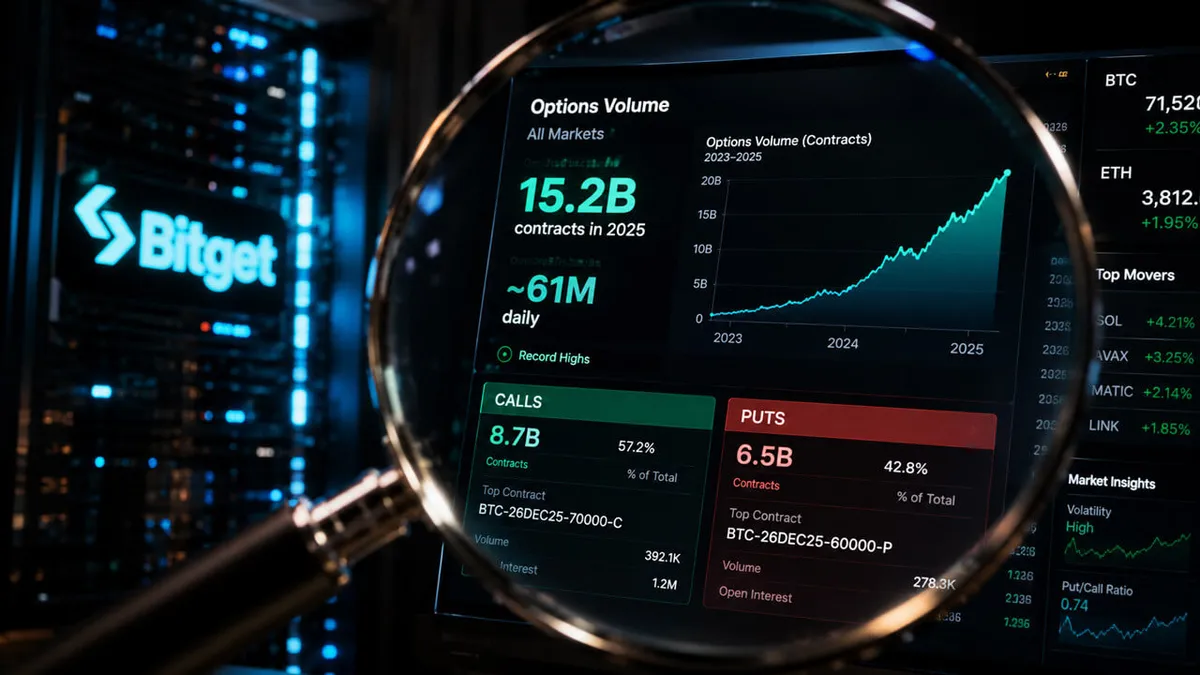
Bitget recently made headlines by launching US stock options, claiming to be the first major crypto exchange to offer such products. This new feature allows eligible users to engage in basic options trading–specifically buying single call or put contracts. The platform plans to expand its offerings to include more complex trading strategies in the future. This development adds to Bitget's existing suite of financial instruments, which encompasses crypto markets, tokenized stocks, and contract-for-difference products. As the cryptocurrency ecosystem continues to evolve, the introduction of stock options signifies a growing intersection between traditional finance and the digital asset space.
Historically, crypto exchanges have primarily focused on trading cryptocurrencies, but the landscape has been gradually shifting. The rise of decentralized finance (DeFi) and tokenized assets has paved the way for innovative financial products. Tokenized stocks, which represent shares in traditional companies but are traded on blockchain platforms, have gained popularity, allowing users to invest in well-known companies without needing a conventional brokerage account. However, this innovation comes with its complexities, particularly regarding ownership and regulatory compliance. Users often assume they hold actual shares, but the underlying mechanics can vary significantly from traditional stock ownership.
The introduction of stock options by a crypto exchange like Bitget is significant for several reasons. It not only enhances the trading options available to users but also reflects a broader trend where digital asset platforms are seeking to bridge the gap between traditional finance and the crypto world. This move could attract a new demographic of traders who are familiar with options trading and are looking for more diverse investment opportunities. As exchanges diversify their offerings, it may lead to increased liquidity and trading volumes, which could ultimately stabilize the market.
Industry experts have expressed a mix of enthusiasm and caution regarding this development. While some view the introduction of options as a positive step toward legitimizing crypto exchanges and expanding their offerings, others highlight the potential risks involved. The complexities of options trading, coupled with the often-volatile nature of cryptocurrencies, could lead inexperienced traders to make misinformed decisions. Regulatory scrutiny is also likely to follow, as authorities may seek to ensure that exchanges comply with existing financial regulations and protect consumers.
As Bitget and other exchanges continue to innovate, the next steps could involve refining their options trading platforms and possibly expanding their offerings even further. The success of these products will depend on user adoption and the ability of exchanges to educate their customers about the risks and benefits involved. Additionally, we anticipate that regulatory bodies will take a closer look at these developments, which could shape the future of how stock options and tokenized assets are treated in the financial landscape. The coming months will be critical as both users and regulators navigate this new frontier.

CoinMagnetic Team
Crypto investors since 2017. We trade with our own money and test every exchange ourselves.
Updated: July 2026
From our insights:
Related news

BitGo CEO warns Clarity's collapse poses systemic risks akin to Lehman Brothers

Coinbase's transition from Deribit ends International Exchange trading access

South Korean crypto exchanges see 78% profit drop in H1 2026 due to trading slump
EU regulators investigate Binance’s service to users after MiCA registration loss

Japan's largest payment network now accepts crypto through Binance Pay