SecurityBearish
Crypto DeFi hacks cost 8,500% more than TradFi breaches per dollar moved
Source: CryptoSlate
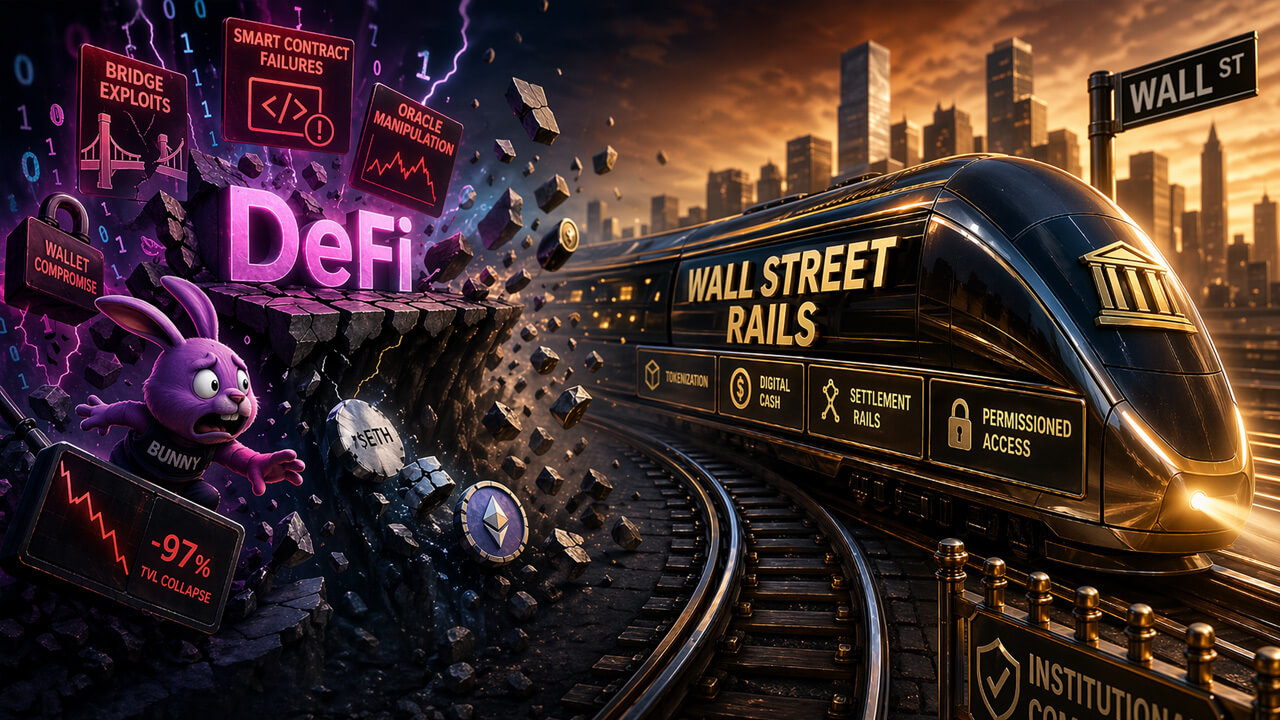
Recent findings reveal that hacks in the decentralized finance (DeFi) sector are costing investors a staggering 8,500% more per dollar moved compared to breaches in traditional finance (TradFi). This significant discrepancy highlights the rising security concerns surrounding DeFi platforms. As the cryptocurrency market continues to grow and attract a broader audience, the incidents of hacking and exploitation have also surged, raising alarms about the robustness of security protocols within these decentralized ecosystems.
To understand this alarming statistic, it's essential to consider the landscape of both DeFi and TradFi. Traditional financial systems are heavily regulated and have established protocols for safeguarding assets, which often includes layers of security and insurance for consumers. In contrast, DeFi operates on a trustless model where users are responsible for their own security, often leading to vulnerabilities in smart contracts and protocols. The rapid evolution and experimental nature of DeFi also mean that many projects are still in their infancy, lacking the rigorous security measures seen in more established financial institutions.
This stark difference in security implications is crucial for market participants. It raises questions about the long-term viability of DeFi as a trustworthy alternative to traditional finance. Investors may become more hesitant to engage with DeFi projects if they perceive a higher risk of loss due to hacks. This sentiment could drive a shift in capital allocation, as users may prefer safer, albeit less innovative, options within the traditional finance space. Consequently, the overall growth trajectory of DeFi could be impacted, as trust plays a pivotal role in the adoption and success of any financial system.
The response from industry experts has been mixed, with some emphasizing the need for improved security audits and better risk management practices within DeFi projects. Others suggest that this is an inevitable growing pain for a nascent industry that must evolve and learn from past mistakes. Many in the space advocate for greater transparency and community collaboration to address vulnerabilities, as well as the importance of user education regarding security best practices. However, the lingering question remains: how can the DeFi sector restore confidence among users while simultaneously fostering innovation?
Looking ahead, the DeFi space must prioritize security enhancements to address these vulnerabilities effectively. This could involve the integration of more sophisticated auditing processes, insurance mechanisms for users, and fostering a culture of responsible development among DeFi projects. As the landscape continues to evolve, the challenge will be striking a balance between innovation and security–ensuring that the dream of decentralized finance remains alive and viable for future generations.
CM
CoinMagnetic Team
Crypto investors since 2017. We trade with our own money and test every exchange ourselves.
Updated: April 2026
From our insights: