Public records challenge $18B Solana liquidation claims amid crypto crash
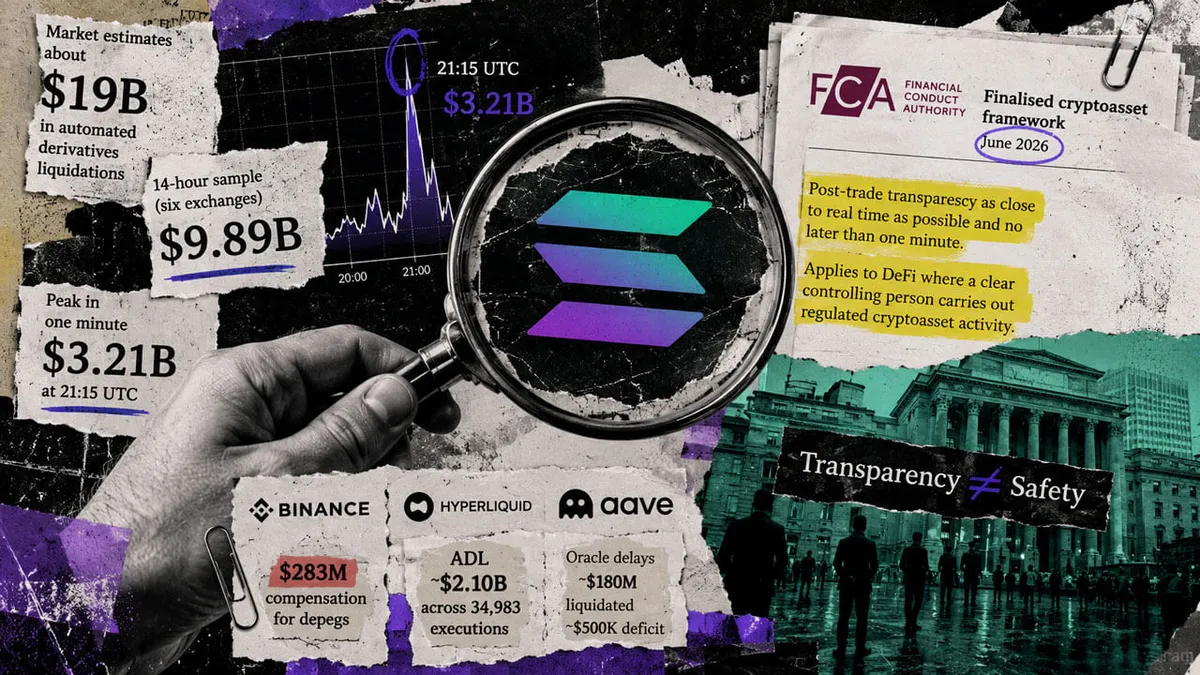
Recent analysis has unveiled a significant data gap in the reported liquidations during the recent crypto market crash, particularly questioning the $18 billion claim related to Solana. This discrepancy arises from public records that suggest issues with Binance pricing, as well as the implementation of on-chain Automated Deductions and Liquidations (ADL), highlighting the ongoing challenges in transparency within the industry. The findings suggest that the actual financial fallout from the crash may not align with the dramatic figures reported by various sources, raising concerns about the reliability of these claims.
The context surrounding this situation is rooted in the tumultuous nature of the cryptocurrency market, known for its volatility and rapid price fluctuations. During the crash, which affected multiple cryptocurrencies, many exchanges faced challenges in accurately reflecting prices and managing liquidations. The $18 billion figure attributed to Solana liquidations has been a focal point of discussion, but the new findings suggest that these numbers might be inflated or misrepresented. The lack of comprehensive and accurate data makes it difficult for regulators and market participants to understand the true impact of such events.
This revelation is crucial for the market as it underscores the importance of accurate reporting and transparency in cryptocurrency exchanges. Investors and stakeholders rely on these figures to make informed decisions, and discrepancies can lead to significant misjudgments about market health and risk exposure. If the reported liquidation figures are indeed overstated, it could alter perceptions of Solana and its resilience in the face of market adversity, potentially affecting investor confidence and future investment decisions.
Industry reactions to this development have been mixed, with some experts calling for stricter regulatory oversight to ensure that exchanges provide accurate data. The need for clearer disclosure practices has been emphasized, particularly as the industry matures and more institutional investors enter the space. Some analysts argue that better data transparency could help stabilize the market and reduce the likelihood of panic selling during downturns.
Looking ahead, the ongoing discussion around data accuracy and regulatory frameworks in the cryptocurrency space is likely to intensify. As authorities and industry leaders seek to address these gaps, we may see new measures implemented to improve transparency in trading and liquidation processes. This could ultimately lead to a more stable environment for investors, but it will require concerted effort from all stakeholders involved.

CoinMagnetic Team
Crypto investors since 2017. We trade with our own money and test every exchange ourselves.
Updated: August 2026
From our insights:
Related news
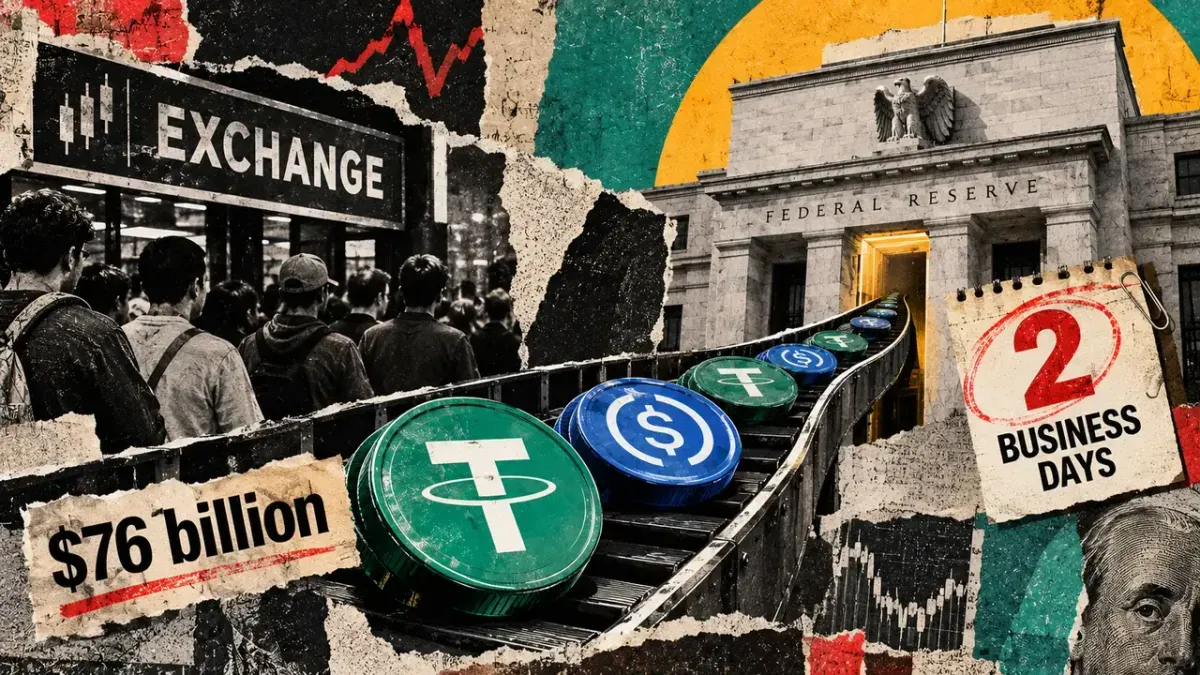
$76 billion in stablecoins remains blocked despite Fed's 2-day payout plan

El Salvador aims for $9 billion in remittances using stablecoins instead of Bitcoin

Anthropic's $42 billion loss raises questions amid $2 trillion IPO valuation

Greece adds four providers to EU MiCA register amid Binance controversy

Anthropic’s $518 billion AI infrastructure plan barely impacts pre-IPO crypto markets