Crypto cash backs potential new allies in Congress as industry's PAC presence widens
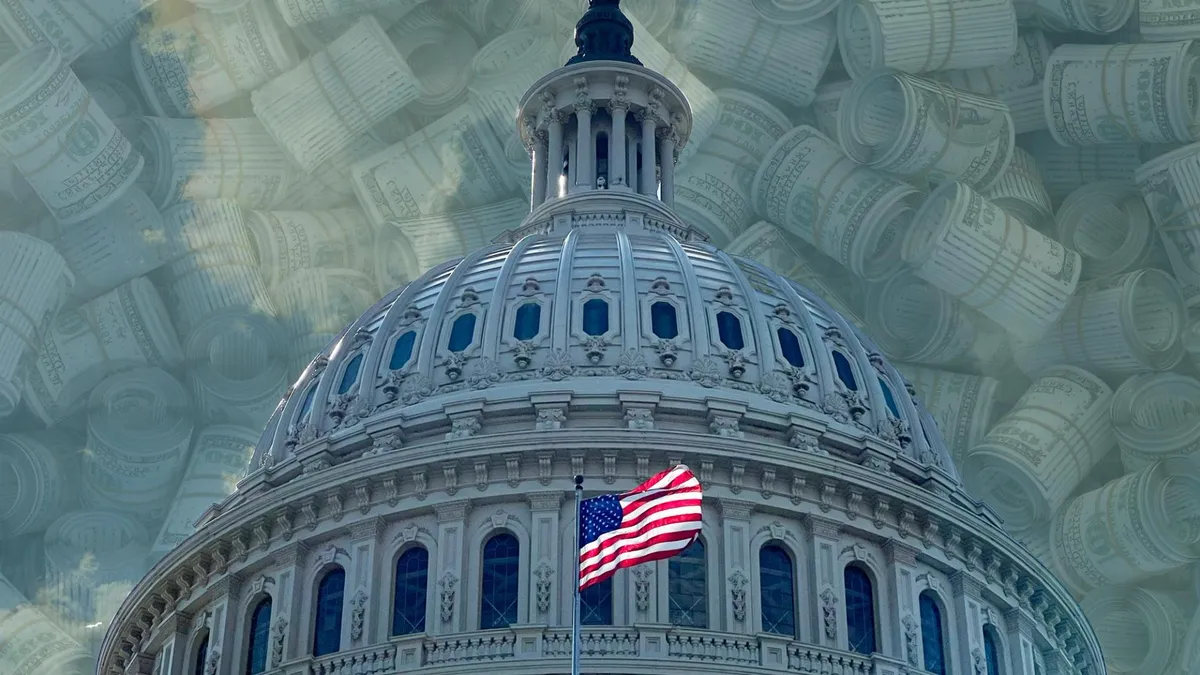
The recent political landscape has seen a notable shift as several crypto-focused political action committees (PACs) begin to embrace a more Republican-centric approach. As the industry has made significant strides in recent months, particularly with political victories in Texas, these emerging PACs are not only aiming to bolster their influence but are also looking to align more closely with allies in Congress who share their vision for the future of cryptocurrency regulation. This strategic pivot underscores the evolving relationship between the crypto industry and political entities, as stakeholders seek to solidify their presence in the corridors of power.
Historically, the crypto sector has maintained a bipartisan appeal, with advocates and stakeholders on both sides of the aisle pushing for favorable legislation. However, recent developments suggest that some PACs are now prioritizing relationships with Republican lawmakers, who they believe may be more receptive to their agenda. This shift comes against a backdrop of increasing scrutiny from regulators, and a growing realization that aligning with certain political factions could yield more immediate results in terms of favorable legislation and regulatory clarity.
The implications of this strategic pivot are significant for the market. By aligning more closely with Republican lawmakers, these PACs may be positioning themselves to influence key legislative decisions that could affect everything from taxation on digital assets to broader regulatory frameworks. This alignment could lead to policies that foster a more favorable operating environment for blockchain technology and cryptocurrency businesses, potentially spurring innovation and investment in the sector. As the industry continues to mature, the ability to navigate the political landscape effectively will be crucial for its sustained growth.
Reactions within the industry have been mixed. Some experts and advocates have praised the move as a necessary step towards solidifying the crypto industry's foothold in Washington, arguing that a focused approach could lead to more effective lobbying and advocacy efforts. Others, however, caution against abandoning a bipartisan strategy, suggesting that the industry's best interests are served through collaboration across party lines. The diversity of opinion highlights the complexities of political engagement in a rapidly evolving landscape, as stakeholders weigh the potential risks and rewards of their strategic choices.
Looking ahead, the evolving dynamics of crypto PACs and their political affiliations will be closely monitored. As the 2024 elections approach, the crypto industry’s ability to forge alliances and advocate for its interests will be tested. The success of these PACs in gaining traction with Republican lawmakers may set the stage for future legislative battles and could determine the direction of crypto regulation in the coming years. The industry’s next steps will be critical, as it navigates the intersection of politics and technology while striving to secure a favorable regulatory environment.

CoinMagnetic Team
Crypto investors since 2017. We trade with our own money and test every exchange ourselves.
Updated: May 2026
From our insights:
Related news
US investigates Binance for potential Iran-linked trading violations
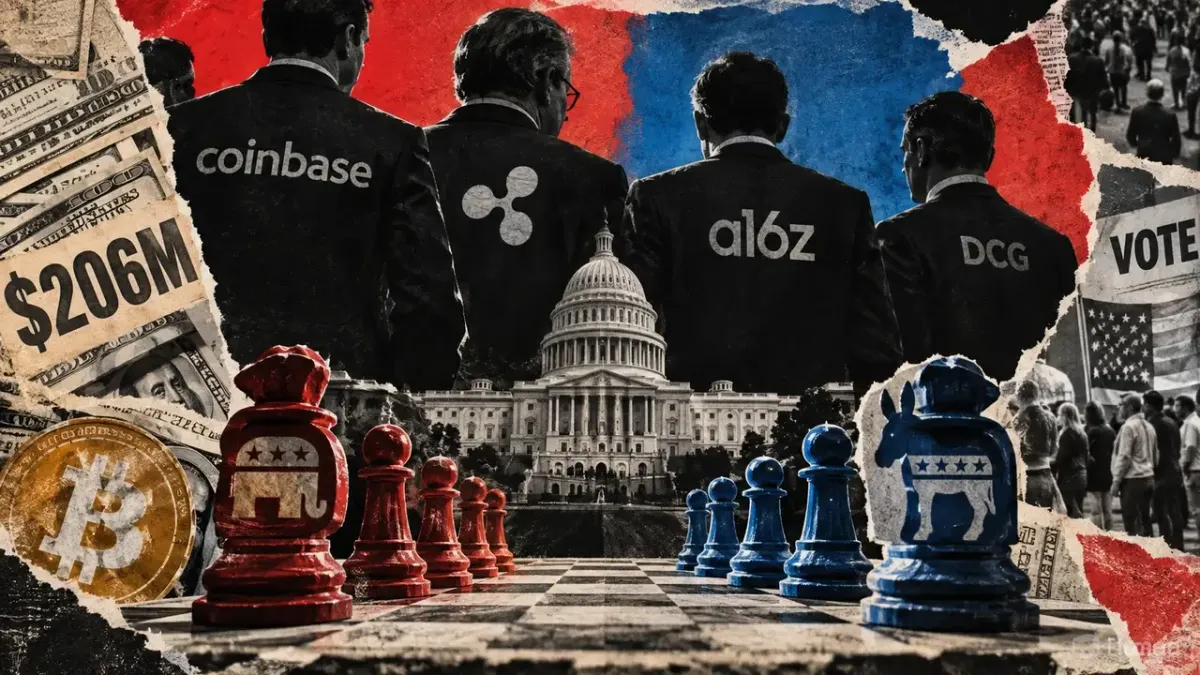
Crypto sector emerges as top donor with $206 million in midterms backing
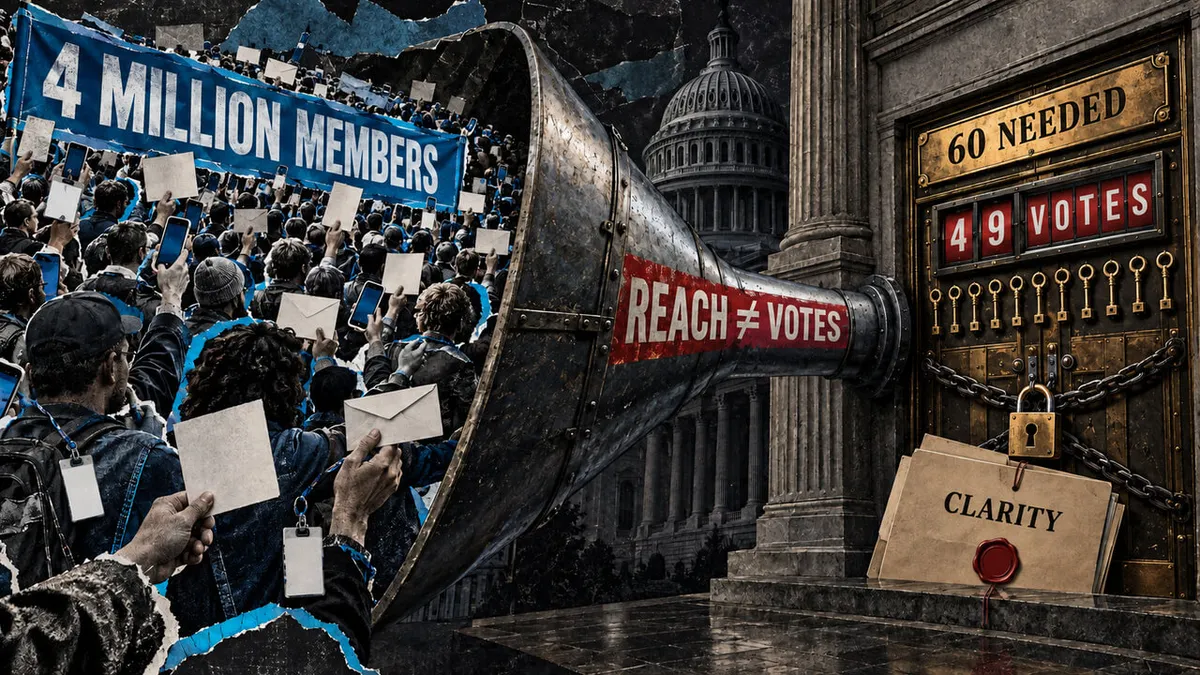
Stand With Crypto’s 4 million registered advocates couldn’t get the CLARITY Act through the Senate

Kakao Pay, KakaoBank to explore stablecoin opportunities with Fireblocks

US Attorney's investigation into Binance focuses on Iran sanctions compliance