Crypto card spending surpasses $1 billion, fueled by USDC and USDT usage
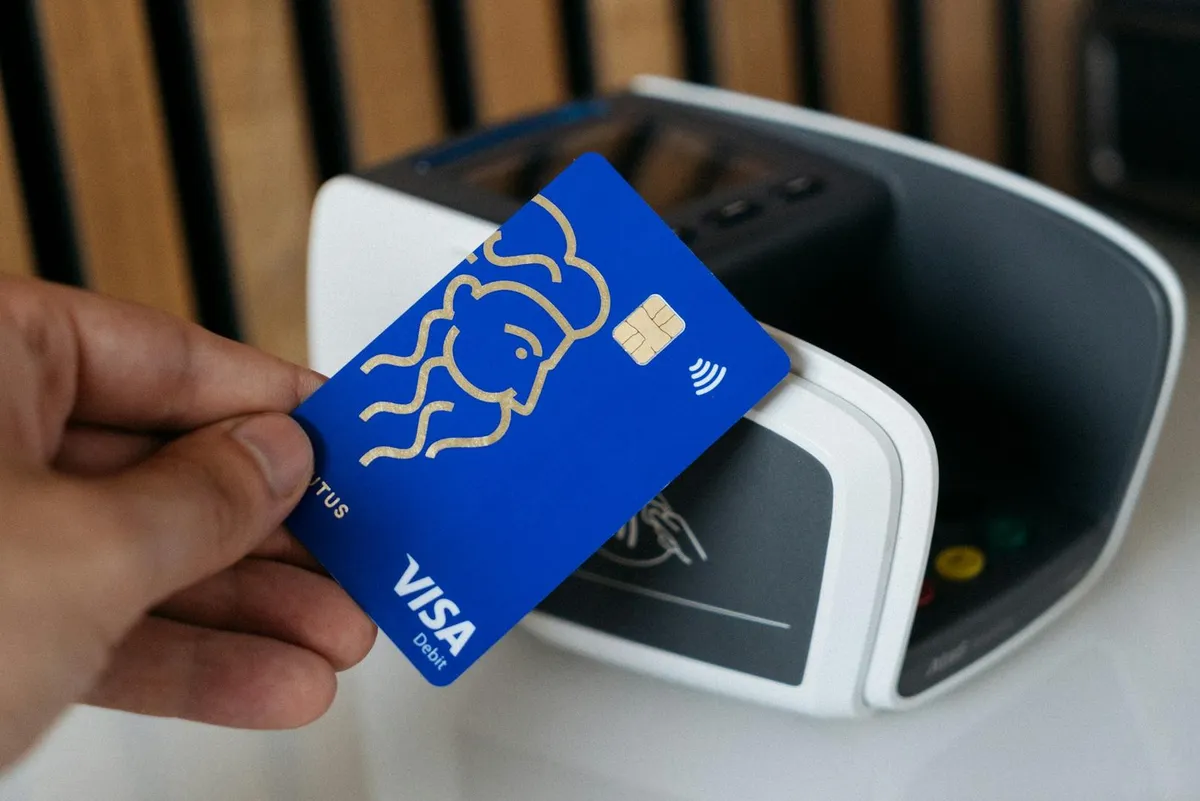
Recent data reveals that crypto card spending has exceeded $1 billion, marking a significant milestone as adoption of cryptocurrencies for everyday purchases continues to grow. The tracked volume of spending has more than tripled over the past year, highlighting a notable shift in consumer behavior. Stablecoins, particularly USDC and USDT, have emerged as the dominant funding sources, accounting for over 70% of all spending through these crypto cards. This trend indicates that consumers are increasingly comfortable using cryptocurrencies for regular transactions like groceries, rides, and subscriptions.
The rise of crypto card spending can be attributed to several factors, including the increasing acceptance of cryptocurrencies by merchants and the growing infrastructure supporting digital payments. As more businesses begin to accept crypto payments, users are finding it easier to incorporate digital assets into their daily lives. The convenience of using stablecoins, which provide price stability compared to other cryptocurrencies, has also played a crucial role in this transition. As a result, users are not only holding cryptocurrencies as investments but are also finding practical uses for them in everyday transactions.
This surge in crypto card spending is significant for the broader market as it signals a growing normalization of digital currencies in the consumer landscape. The ability to use cryptocurrencies for daily purchases enhances their utility and could lead to increased demand and acceptance. As spending via crypto cards becomes more mainstream, it may encourage more users to enter the crypto space, further driving adoption and potentially influencing market dynamics.
Industry reactions have been largely positive, with many experts viewing this trend as a validation of the growing role of cryptocurrencies in the economy. Analysts suggest that the success of crypto card spending could spur innovation in payment solutions and increase competition among financial service providers. Furthermore, the reliance on stablecoins for these transactions indicates a maturation of the crypto market as users seek stability in their digital assets while utilizing them in day-to-day life.
Looking ahead, we can expect continued growth in the crypto card sector as more consumers embrace the convenience of digital currencies for everyday purchases. Financial institutions and crypto companies are likely to invest further in enhancing their offerings, which could lead to the introduction of new features and services aimed at improving the user experience. As the market evolves, it will be interesting to see how these developments shape the future of cryptocurrency adoption and spending.

CoinMagnetic Team
Crypto investors since 2017. We trade with our own money and test every exchange ourselves.
Updated: August 2026
From our insights:
Related news

Moody's assigns Sky Protocol a B3 rating amid rising USDS interest

GSR allocates $100 million to vault business focusing on onchain credit
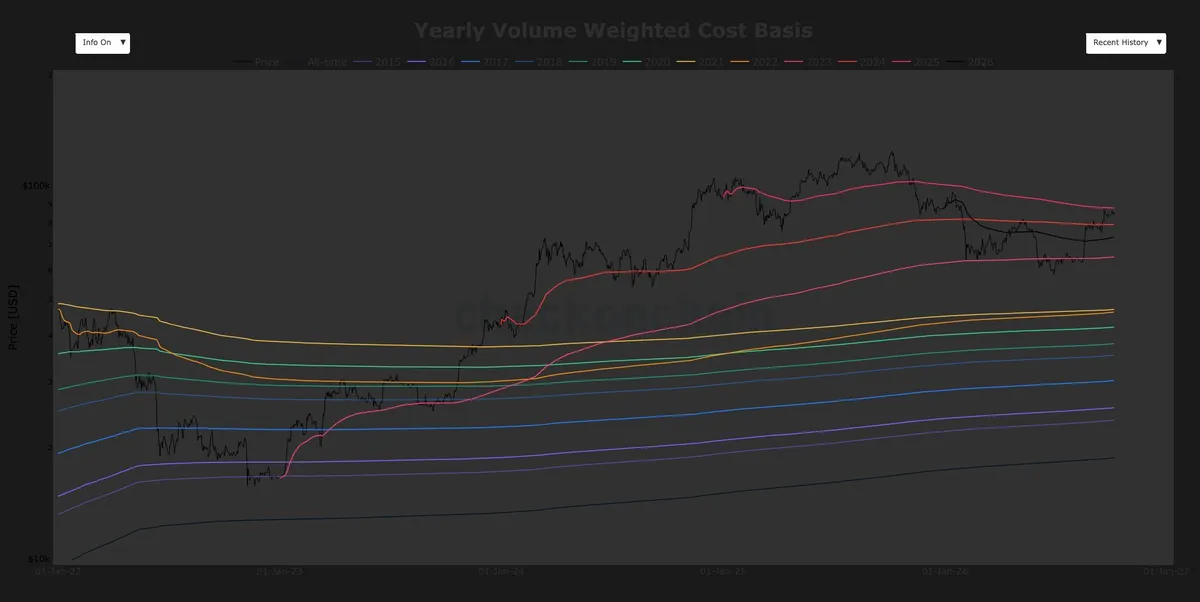
Bitcoin struggles to recover below $84,000 as support levels shift

Cardano introduces new standard allowing token issuers to manage asset control
Winklevoss-backed Zcash ETF files with SEC for Nasdaq listing