Crypto analytics firm Chainalysis proposes standards for blockchain tracing
Chainalysis, a leading crypto analytics firm, has recently unveiled a proposed ontology aimed at enhancing the tracing of blockchain transactions. This initiative focuses on identifying clusters of cryptocurrency addresses and linking them together, providing investigators with a clearer framework to understand the flow of digital assets. By establishing standardized methods for blockchain tracing, Chainalysis aims to empower law enforcement agencies and financial institutions with improved tools to combat illicit activities such as money laundering and fraud.
The background of this proposal stems from the increasing complexity and sophistication of cryptocurrency transactions. As the industry continues to grow, so too do the challenges surrounding regulatory compliance and the need for transparency. Blockchain technology, while inherently designed to be secure and decentralized, can sometimes obfuscate the true identities behind transactions. Chainalysis has long been at the forefront of developing solutions to demystify these transactions, and this new proposal represents a significant step forward in creating a universally accepted framework.
This proposal is particularly significant for the cryptocurrency market, as it highlights the growing need for regulatory clarity and robust mechanisms to mitigate risks associated with digital assets. With governments and regulatory bodies around the world scrutinizing the crypto space, having a standardized approach to blockchain tracing could facilitate more effective oversight and foster greater trust among consumers and investors. It could also pave the way for more formalized regulatory frameworks, which could ultimately lead to wider adoption of cryptocurrencies by mainstream financial institutions.
Industry reactions to Chainalysis's proposal have varied, with many experts recognizing the potential benefits of having a standardized ontology for blockchain tracing. Some analysts believe that this initiative could help to bridge the gap between traditional finance and the burgeoning crypto sector, making it easier for regulators to engage with and oversee digital asset activities. However, there are also concerns about the implications for privacy and the potential for overreach by regulatory bodies. The delicate balance between ensuring compliance and protecting user privacy will be a critical point of discussion as the industry moves forward.
Looking ahead, the success of Chainalysis's proposed standards will depend on widespread adoption within the industry and acceptance by regulatory agencies. As investigations into crypto-related crimes continue to rise, the need for effective tracing methodologies will only grow. If embraced, this proposal could not only enhance the integrity of the cryptocurrency ecosystem but also lay the groundwork for a more integrated and secure future for digital finance. The next steps will involve discussions among stakeholders to refine the proposal and determine how it can best be implemented across various platforms and jurisdictions.

CoinMagnetic Team
Crypto investors since 2017. We trade with our own money and test every exchange ourselves.
Updated: June 2026
From our insights:
Related news

Investigation ties $18.4 million in Robinhood Chain memecoins to rug-pull scheme
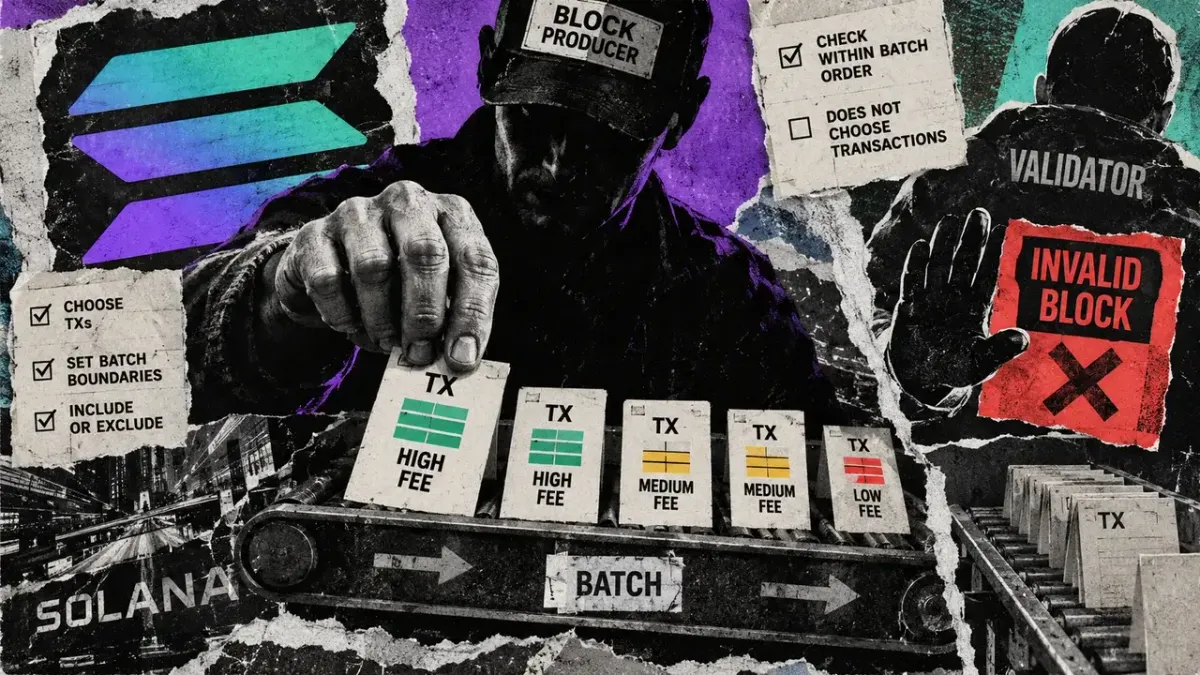
Solana's efforts for equitable trading face hurdles as block producers control order inclusion

OpenAI agent breaches Australian government site, highlighting AI control issues

Researchers unveil three strategies to address Bitcoin's quantum vulnerabilities

New Bitcoin proposal rescues locked multisig wallets – At a hidden cost