Convicted scammer’s “seized” crypto moves to unknown wallets while in prison as DOJ failed to secure funds
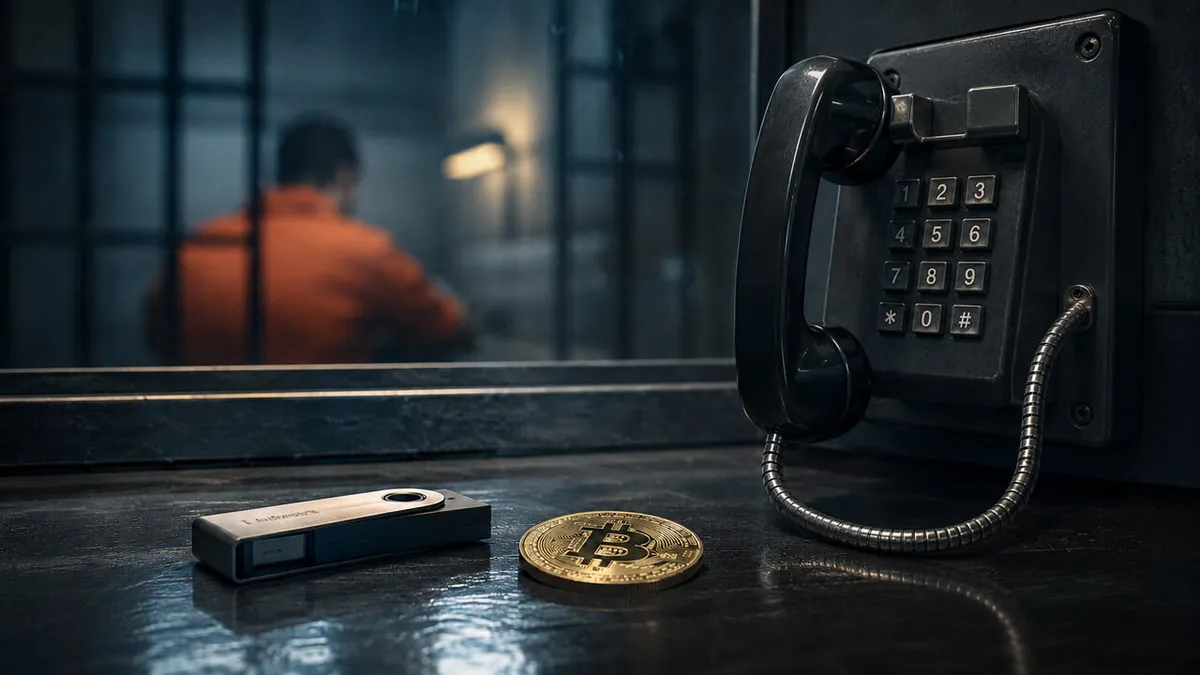
In a surprising turn of events, a convicted scammer’s cryptocurrency holdings have reportedly been transferred to unknown wallets while the individual remains incarcerated. This development raises significant questions about the Department of Justice’s (DOJ) ability to secure seized assets effectively. According to reports, the DOJ’s account indicates that while a forfeiture order is in place, there remains ambiguity regarding who possesses the authority to authorize such transfers. This situation underscores the complexities involved in managing digital assets within the justice system.
To understand the implications of this incident, it is crucial to consider the broader context of cryptocurrency regulations and law enforcement’s role in asset seizure. The rise of cryptocurrencies has posed unique challenges for regulatory bodies and law enforcement agencies, which are often not equipped to deal with the intricacies of digital asset management. The DOJ’s struggle to secure the seized funds highlights a critical gap in the legal framework surrounding cryptocurrency, raising concerns about the effectiveness of existing protocols to prevent misappropriation or loss of assets.
This situation matters significantly for the market, as it reflects the ongoing vulnerabilities that can arise in crypto asset management. Investors and stakeholders in the cryptocurrency space may view this incident as a cautionary tale, heightening concerns about the reliability of asset protection during legal proceedings. Furthermore, the inability of the DOJ to secure funds may embolden bad actors, potentially leading to an increase in fraudulent activities within the crypto sector. Overall, this incident could contribute to further scrutiny of regulatory practices and calls for more robust frameworks to safeguard digital assets.
Industry experts have reacted with a mix of concern and frustration regarding the DOJ’s handling of the situation. Many emphasize the need for improved protocols and clear guidelines that delineate the responsibilities of law enforcement agencies when it comes to cryptocurrency seizures. Some analysts argue that without a cohesive strategy, the integrity of the justice system could be undermined, leading to a lack of confidence among investors and stakeholders. The incident has sparked discussions about the necessity for regulatory innovation that can keep pace with the rapid evolution of the digital asset landscape.
Looking ahead, this incident may serve as a catalyst for policy changes within the DOJ and other regulatory bodies. As the cryptocurrency market continues to mature, there is an increasing imperative for lawmakers to establish clear regulations that address the unique challenges posed by digital currencies. The hope among many in the industry is that this situation will prompt a reevaluation of existing asset seizure protocols, ultimately leading to more effective measures that ensure the protection of seized cryptocurrencies in the future.

CoinMagnetic Team
Crypto investors since 2017. We trade with our own money and test every exchange ourselves.
Updated: July 2026
From our insights:
Related news

Kalshi reviews three Trump press secretary bets totaling 173 dollars ahead of official news

French committee adopts stablecoin swap and exit taxes before rejecting budget
CFTC seeks to classify event contracts as swaps amid ongoing legal battles

OpenAI and Anthropic war-game AI cyberattacks to prepare rapid congressional briefings

Blockchain.com applies for US licenses to launch event contracts and futures