Singapore CONNECT panel highlights liquidity hurdles for tokenized markets
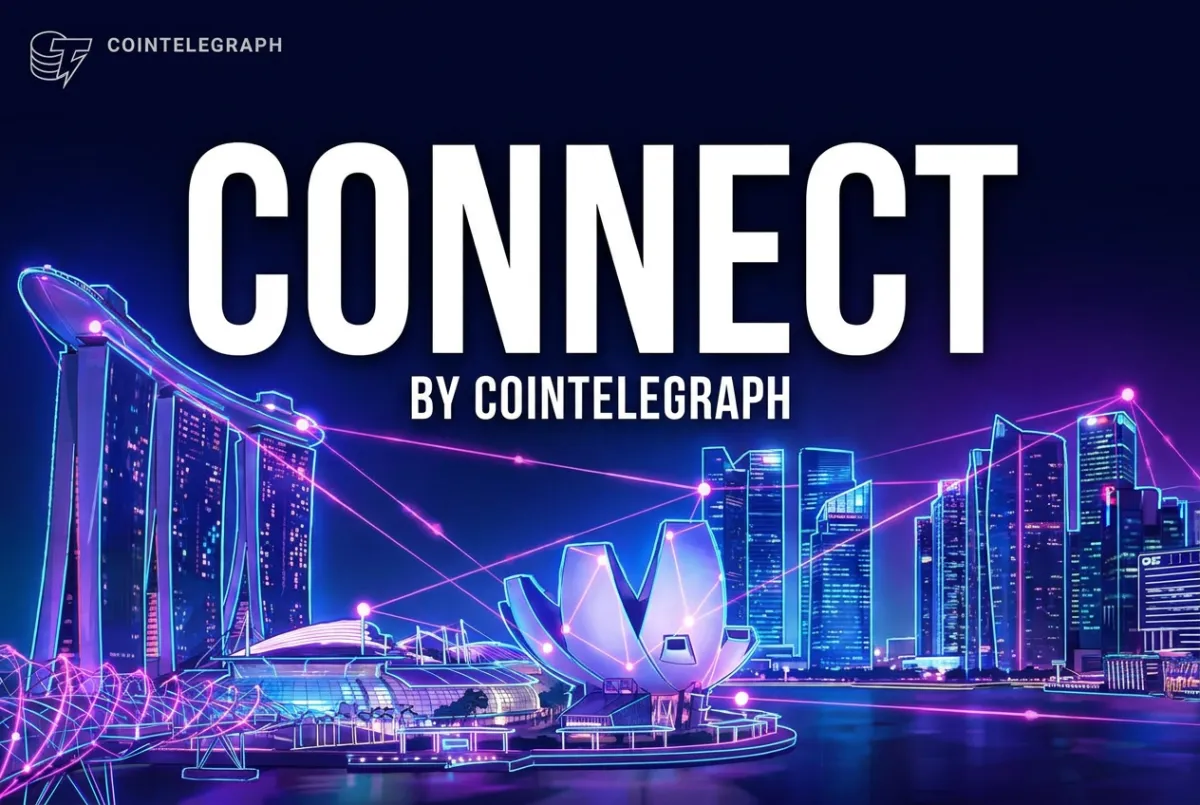
At Cointelegraph's recent Singapore CONNECT event, industry experts gathered to discuss the expanding horizons of digital assets, focusing heavily on tokenized markets and the growing utility of everyday stablecoins. Panelists explored how traditional financial instruments are increasingly finding their way onto public and private ledgers, shifting the conversation from experimental technology to practical implementation. The discussions highlighted both the immense potential and the practical hurdles facing modern blockchain adoption as developers and institutional players look for ways to scale their operations efficiently.
This dialogue arrives at a time when the intersection of traditional finance and decentralized infrastructure is drawing unprecedented attention from global enterprises. Tokenization has long been championed as a way to unlock value in illiquid asset classes, ranging from real estate to private equity, by fractionalizing ownership and streamlining settlement processes. Meanwhile, stablecoins have moved beyond simple trading pairs on cryptocurrency exchanges, increasingly functioning as viable mediums of exchange for cross-border transactions and digital commerce.
For the broader crypto market, these developments signal a maturation phase where utility outweighs pure speculation. Tokenized real-world assets bridge the gap between traditional capital markets and blockchain networks, potentially injecting substantial liquidity into decentralized ecosystems. At the same time, the widespread adoption of stablecoins for everyday payments threatens to redefine consumer expectations around transaction speeds and fees, placing pressure on legacy payment systems to adapt.
Industry participants at the event emphasized that realizing this vision requires overcoming significant structural hurdles. Panelists noted that liquidity fragmentation remains one of the primary obstacles for tokenized markets, as siloed networks prevent capital from flowing freely across different platforms. Without unified liquidity pools and robust interoperability standards, the growth of tokenized assets risks stalling despite strong institutional interest.
Looking ahead, market observers will be watching closely to see how developers and regulators address these liquidity and compliance challenges. As stablecoin frameworks mature and cross-chain solutions improve, the industry moves closer to seamless integration between fiat and digital assets. How these foundational issues are resolved in the coming months will likely shape the trajectory of institutional crypto adoption for years to come.

CoinMagnetic Team
Crypto investors since 2017. We trade with our own money and test every exchange ourselves.
Updated: October 2026
From our insights:
Related news
Solana holdings expansion drives DeFi Development to hike CHAD dividend to 14 percent
Ripple Prime introduces RWA perpetual swaps linked to various assets

Gold gains traction as equities, copper and bitcoin face simultaneous pressure

Babylon advances native Bitcoin lending proposal on Aave V4
September CPI print of 3.7 percent revives talk of a Federal Reserve rate hike