Congress blocks introduction of any CBDC in the next 4 years – but the fight over digital money is just starting
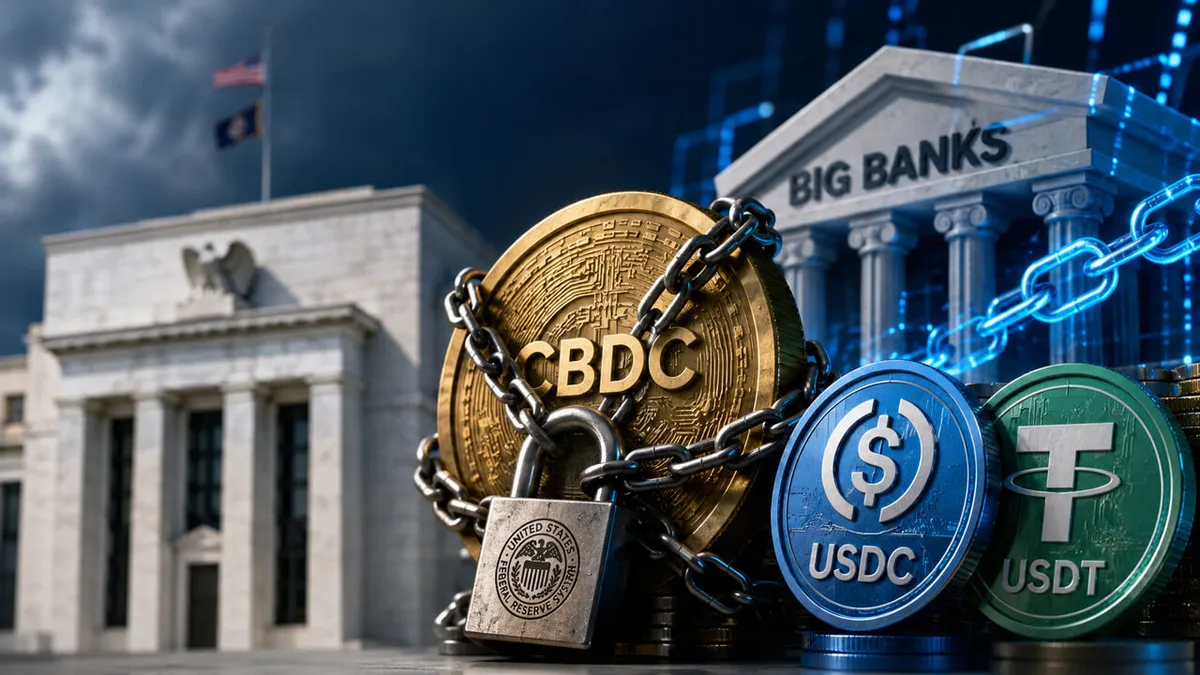
Congress has recently made a significant move by blocking the Federal Reserve from introducing a central bank digital currency (CBDC) for the next four years. This decision comes as part of the 21st Century ROAD to Housing Act, which passed the Senate with a substantial majority of 85-5 on June 22 and subsequently cleared the House with a vote of 358-32 the following day. The act includes a provision that specifically prohibits the Federal Reserve from issuing a CBDC during this period, thereby shifting the landscape of digital currency in the United States. This ban is significant not only for the Federal Reserve but also for private stablecoin issuers, such as Circle and Tether, who are likely to benefit from this temporary halt on government-backed digital currencies.
The discussion surrounding CBDCs has been gaining momentum in recent years, with many countries exploring the potential advantages of introducing digital versions of their fiat currencies. Proponents argue that CBDCs can enhance payment efficiency, reduce costs, and improve financial inclusion. However, there has been considerable debate over the implications of a CBDC on the existing financial ecosystem, including concerns about privacy, control, and the potential disruption to the traditional banking system. This congressional decision reflects a cautious approach, prioritizing a more measured exploration of digital currencies while allowing private stablecoins to flourish in the meantime.
The implications of this congressional ban are multifaceted for the cryptocurrency market. On one hand, it may provide a temporary boost to private stablecoin issuers, as users may continue to seek alternatives to traditional banking and government-issued digital currencies. On the other hand, the lack of a government-backed digital currency could hinder the U.S.'s ability to innovate in the digital finance space, potentially allowing other countries that are more proactive in adopting CBDCs to gain a competitive advantage. This dynamic could reshape the future of financial transactions and influence the broader acceptance of cryptocurrencies.
Industry reactions have been mixed, with some experts applauding the decision as a necessary step to protect the existing financial system and others expressing concerns about the missed opportunities for innovation. Supporters of the ban argue that it allows for a more deliberative approach to understanding the implications of CBDCs, while critics warn that this could stifle technological advancement and leave the U.S. lagging behind other nations that are moving forward with their own digital currency initiatives. The debate is expected to continue as stakeholders across the financial landscape weigh the potential benefits and risks associated with CBDCs versus private stablecoins.
Looking ahead, the conversation surrounding digital currencies is likely to intensify as the four-year ban unfolds. Policymakers, industry leaders, and consumers will continue to grapple with questions about the future of money and the role digital currencies will play in our economy. As the landscape evolves, it will be crucial for all parties involved to stay informed and engaged in discussions about the regulatory frameworks that will govern this new frontier in finance. The fight over digital money is just beginning, and how it plays out could have lasting effects on the global financial system.

CoinMagnetic Team
Crypto investors since 2017. We trade with our own money and test every exchange ourselves.
Updated: June 2026
From our insights:
Related news
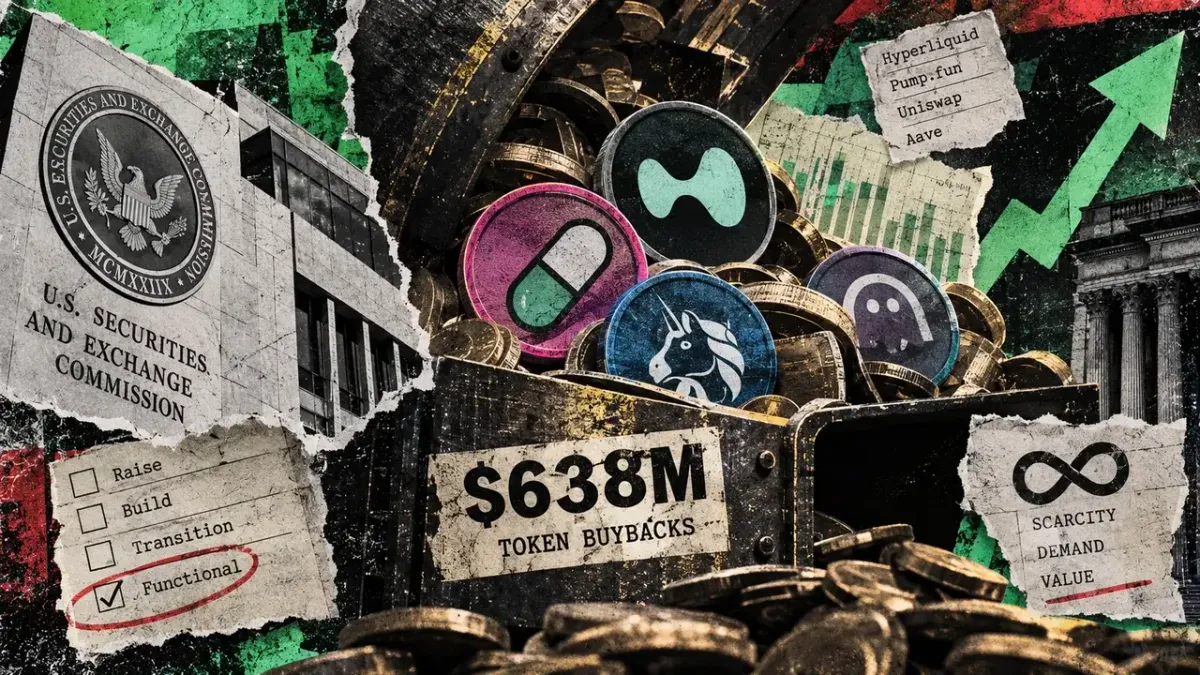
Crypto token buybacks reach $638 million as SEC clears path for projects

Bitcoin ETFs attract nearly $3 billion in seven days, reversing losses
After Clarity Act's failure, regulators take swift action on crypto rules

Kalshi loses appeal over Ohio and Tennessee sports betting laws, widening circuit split

LayerZero faces $292M lawsuit as $15B exits amid rsETH exploit fallout