Coldcard’s $89M wallet bug triggers the biggest Bitcoin movement since FTX and completely distorts market signals
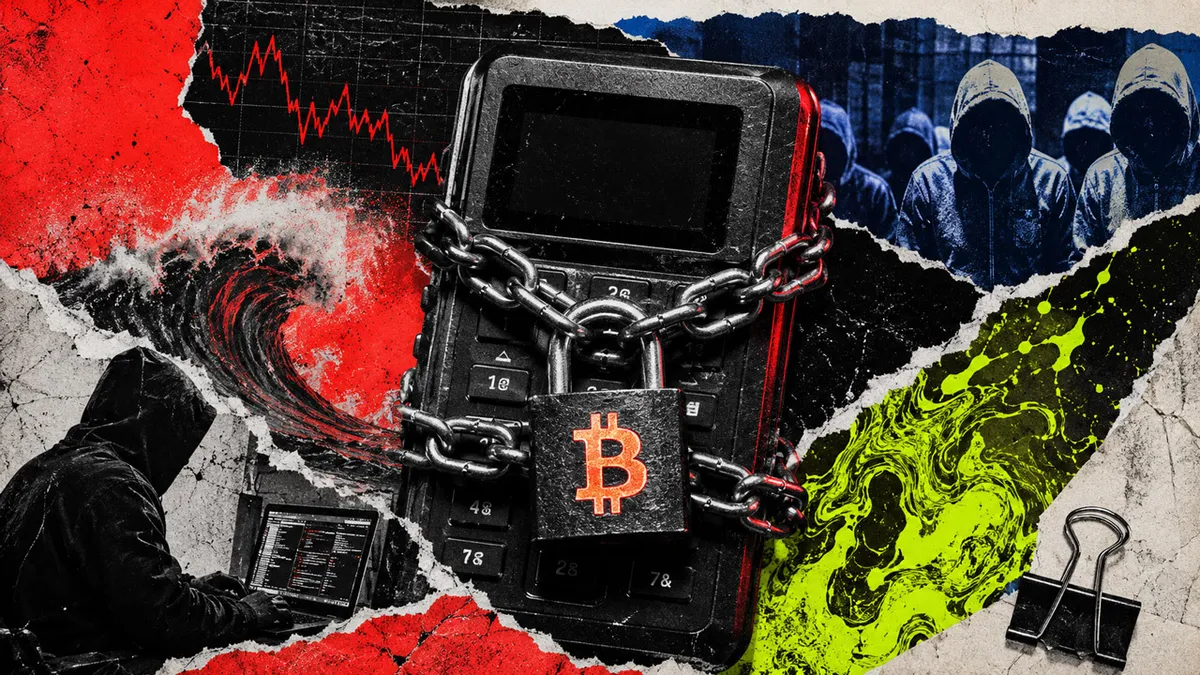
Coldcard's recent security incident has sent shockwaves through the Bitcoin community, marking one of the biggest movements in the cryptocurrency since the FTX collapse. On July 30, the hardware wallet manufacturer Coinkite issued a warning to users about a critical bug in their Coldcard firmware. This bug resulted in the generation of seed phrases that lacked the expected randomness, making the wallets susceptible to draining. The estimated value at risk from this vulnerability is a staggering $89 million, prompting immediate concerns among users and investors alike about the integrity of their holdings.
To understand the significance of this incident, it's essential to consider the role of hardware wallets in the cryptocurrency space. These devices are designed to provide a secure way for users to store their digital assets offline, minimizing the risk of hacks associated with online exchanges and wallets. However, the revelation of a flaw in the Coldcard firmware raises questions about the reliability of such hardware solutions. Being one of the most trusted brands in the market, Coldcard's predicament highlights a potential systemic risk that can arise even from well-regarded products in the crypto ecosystem.
This incident has serious implications for market sentiment and behavior. Following the news, Bitcoin's price experienced fluctuations as traders reacted to the potential threat posed by the bug. The movement of significant volumes of Bitcoin, reminiscent of the chaos following the FTX crash, has led to a distortion of on-chain signals, complicating efforts to gauge market health and investor confidence. The incident could result in increased volatility in the short term as traders reassess their risk exposure and strategies.
Industry experts have voiced their concerns over this development, emphasizing the need for improved security protocols and transparency in hardware wallet manufacturing. Some analysts suggest that this incident might serve as a wake-up call for the crypto community, urging both manufacturers and users to prioritize security practices. Additionally, this may lead to a more significant push for regulatory oversight and standardization in the hardware wallet sector, as users seek assurances against similar vulnerabilities in the future.
Looking ahead, the Coldcard incident may prompt a reevaluation of how hardware wallets are perceived and utilized. Users may become more cautious, opting for additional security measures or alternative storage solutions. Furthermore, developers and manufacturers in the crypto space might accelerate efforts to enhance the security of their products. As the dust settles, it will be crucial for the industry to learn from this crisis and reinforce the trust that users place in their crypto assets.

CoinMagnetic Team
Crypto investors since 2017. We trade with our own money and test every exchange ourselves.
Updated: August 2026
From our insights:
Related news

Meta's new smart glasses could eliminate privacy concerns with no camera

Fed Chair credits Trump but dismisses rate-cut wishes after hike
Fed Hikes Rates for the First Time Since 2023, Bitcoin Spikes
XRPL processes over 3,000 transactions, but all were synthetic
Bitcoin stabilizes near $68K ahead of Fed rate decision with 93% hike odds