Coldcard’s 5-year flaw reveals hardware wallet testing gap: Kraken’s security chief
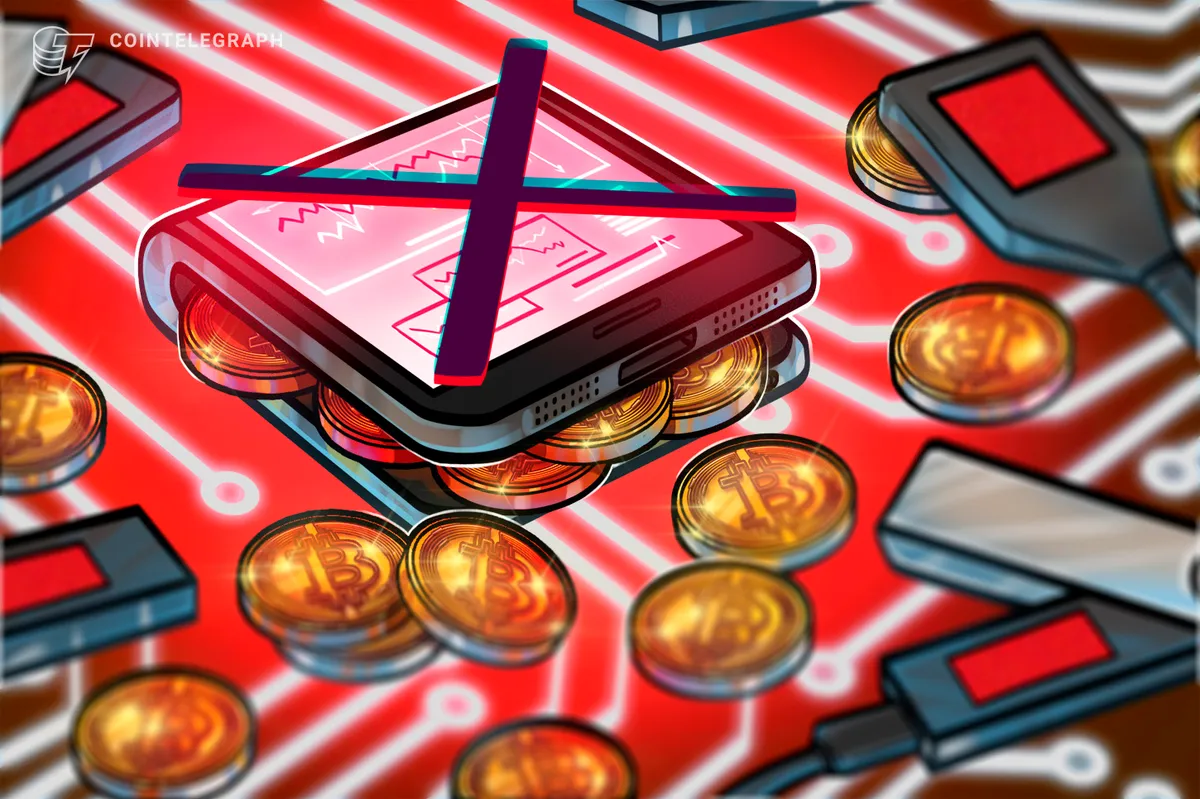
A recent revelation from Kraken's security chief has brought to light a significant flaw in Coldcard hardware wallets that has persisted for five years. This bug, which affects the wallet's random number generator, remained undetected during audits because while auditors confirmed the existence of the intended technology, they failed to ensure that it was actively being utilized. This oversight highlights a critical gap in hardware wallet testing, raising questions about the effectiveness of current security protocols in the industry.
The Coldcard wallet, known for its focus on security and privacy, has long been trusted by users who prioritize safeguarding their cryptocurrencies. Despite its reputation, this flaw serves as a reminder that even the most well-regarded products can harbor vulnerabilities. The issue underscores the need for a more rigorous testing framework that goes beyond verifying the presence of security features to ensure that they function as intended. This incident is not isolated; it reflects a broader trend in the cryptocurrency industry, where technological advancements often outpace comprehensive security assessments.
The implications of this discovery are significant for the market. As users become increasingly aware of security issues surrounding hardware wallets, there may be a shift in consumer trust and behavior. Investors and traders might reconsider their reliance on specific brands, leading to a potential impact on sales and market share for affected products. Furthermore, this incident could prompt a reevaluation of security standards across the hardware wallet sector, encouraging manufacturers to adopt more stringent testing protocols.
Industry experts have expressed concern over the findings, emphasizing the need for enhanced auditing processes. Many believe that this incident could serve as a wake-up call for hardware wallet developers to prioritize thorough testing and validation of their products. As the market evolves, there is a growing consensus that security cannot be an afterthought; it must be integrated into the design and development process from the outset. Experts are calling for collaboration among manufacturers, auditors, and security researchers to establish best practices that can help prevent similar issues in the future.
Looking ahead, it remains to be seen how this flaw will affect Coldcard's reputation and the hardware wallet market as a whole. Consumers may demand more transparency and accountability from manufacturers, pushing for improvements in security measures. Additionally, the ongoing discourse around this issue could lead to the emergence of new standards for hardware wallet testing, potentially reshaping the landscape of cryptocurrency security. As the industry grapples with these challenges, it is clear that vigilance and innovation will be crucial in maintaining trust among users.

CoinMagnetic Team
Crypto investors since 2017. We trade with our own money and test every exchange ourselves.
Updated: August 2026
From our insights:
Related news

South Korean police charge 26 Polymarket users for illegal gambling: report
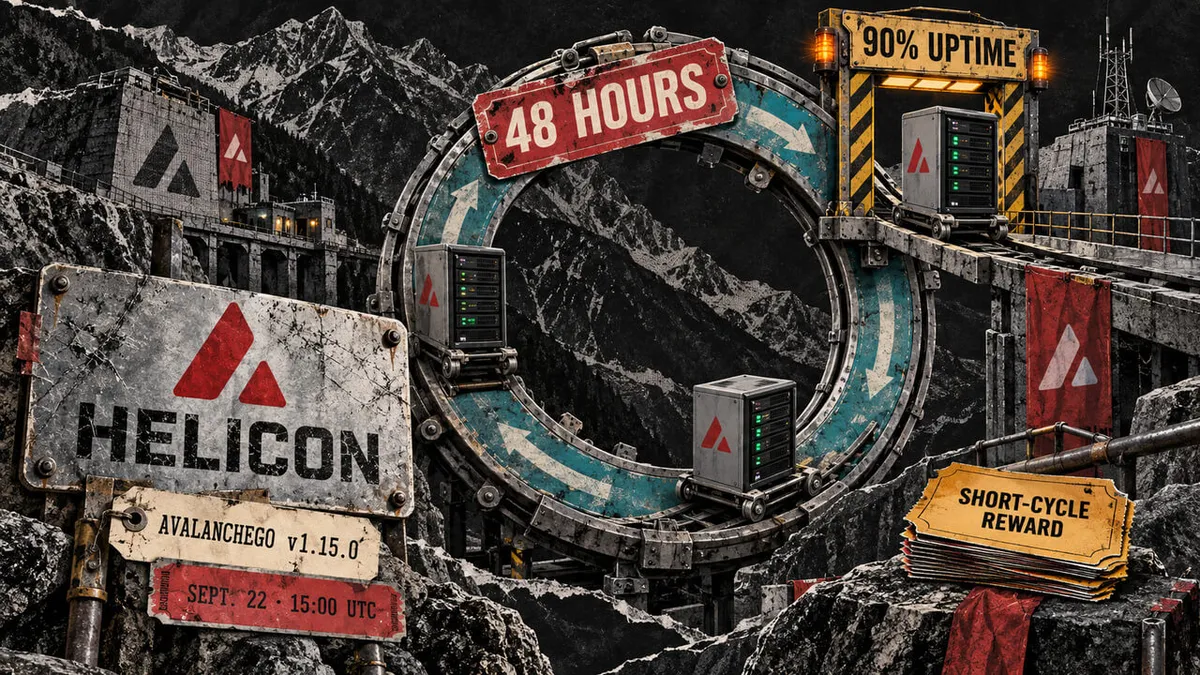
Avalanche’s Helicon upgrade cuts validator lockups from 14 days to 48 hours

New legislation could lock Trump's Bitcoin reserve for 20 years

Bitcoin miners secure over $100 billion in AI contracts with minimal revenue
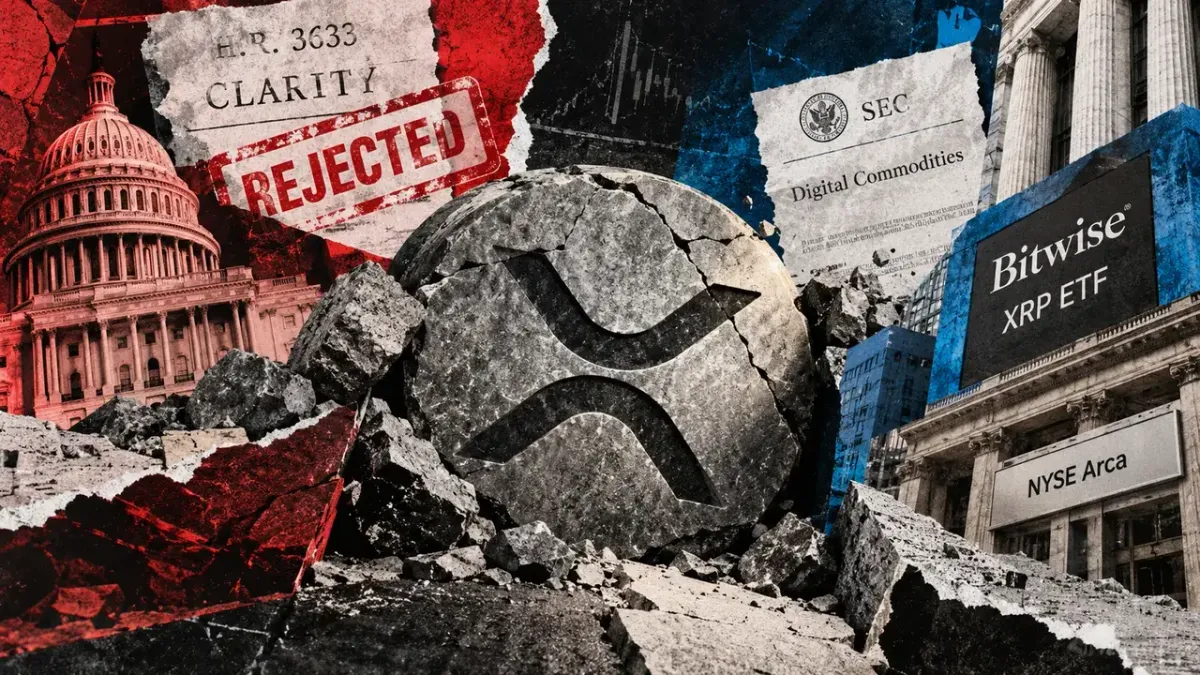
XRP experiences sharp decline following CLARITY vote amid regulatory challenges