CoinDesk 20 performance update: Ethereum (ETH) falls 1% as index trades lower
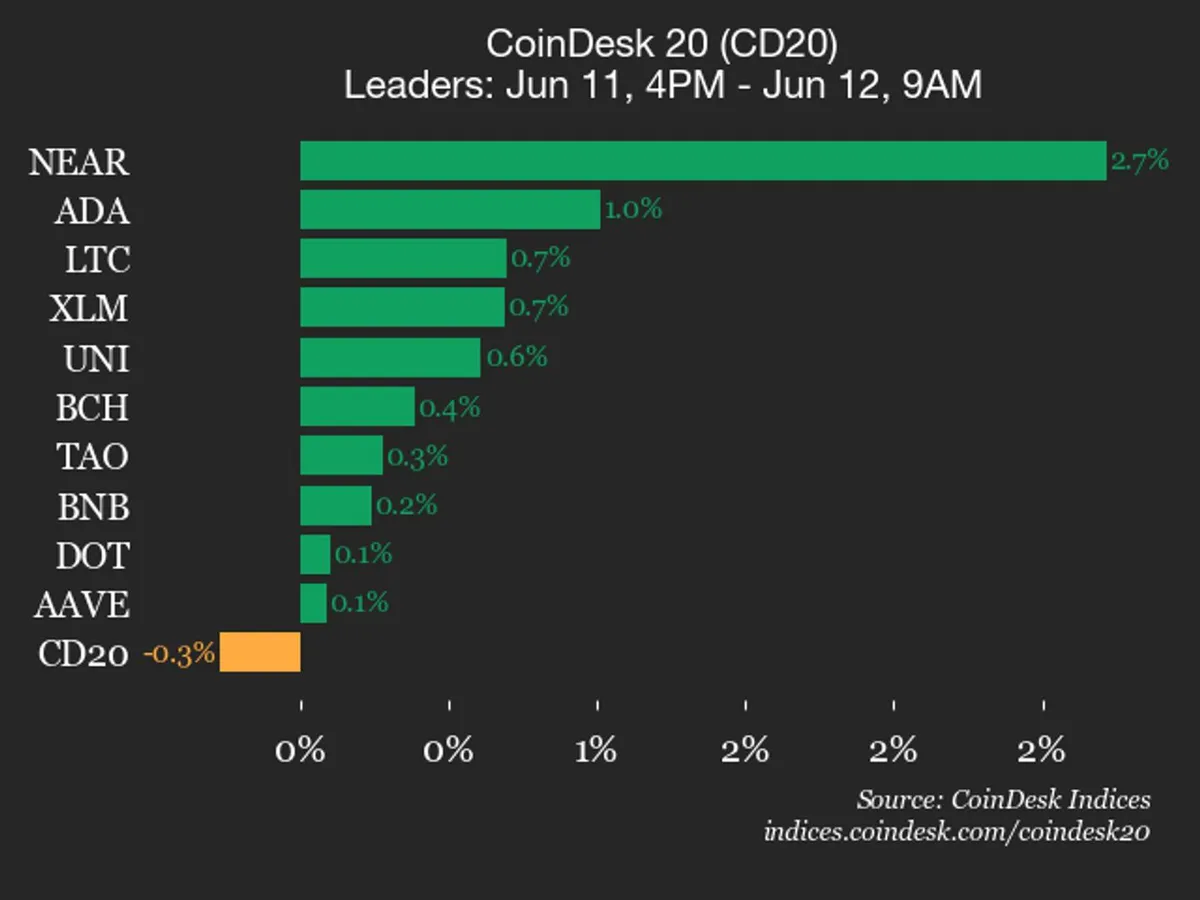
In the latest performance update from CoinDesk 20, Ethereum (ETH) has experienced a decline of 1% as the index itself trades lower. The downturn is reflective of a broader market trend that has seen several cryptocurrencies underperforming. Alongside Ethereum, Cronos (CRO) also faced challenges, dropping 1.4% from Thursday. This consistent dip in these prominent digital assets raises questions about the underlying factors affecting their performance and the overall market sentiment.
To understand the current state of Ethereum and Cronos, it is essential to consider the larger context within the cryptocurrency market. Since the beginning of 2023, Ethereum has grappled with volatility, driven by various factors including regulatory scrutiny and shifts in investor sentiment. Meanwhile, Cronos, though not as widely recognized as Ethereum, has also faced its share of challenges as it attempts to carve out a niche in the competitive landscape of cryptocurrencies. The market has been particularly sensitive to macroeconomic factors, including interest rate adjustments and inflationary pressures, which have influenced risk appetite among investors.
The significance of Ethereum's decline cannot be understated, as it is often seen as a bellwether for the broader cryptocurrency market. A dip in Ethereum typically exerts downward pressure on altcoins and can lead to a general sense of caution among investors. This performance update serves as a reminder of the inherent volatility in the crypto space, where prices can fluctuate dramatically based on market sentiment and external influences. As Ethereum continues to be a major player in decentralized finance and NFTs, its movement often signals potential trends for the rest of the market.
Industry reactions to Ethereum's performance have been mixed, with some experts expressing concern over the sustainability of its recent gains. Analysts are closely monitoring the developments surrounding Ethereum’s network upgrades and their potential impacts on transaction fees and scalability. Conversely, some industry insiders remain optimistic, pointing to the long-term fundamentals of Ethereum, such as its robust developer ecosystem and increasing adoption in various sectors. This dichotomy of opinions highlights the complexity of the market and the varied perspectives on what the future may hold for Ethereum and other cryptocurrencies.
Looking ahead, it will be crucial for investors and market watchers to keep an eye on upcoming developments that could influence Ethereum’s trajectory. Factors such as regulatory changes, technological advancements, and shifts in market demand will play significant roles in determining the future performance of ETH and its peers. As the crypto landscape continues to evolve, understanding these dynamics will be essential for navigating the challenges and opportunities that lie ahead.

CoinMagnetic Team
Crypto investors since 2017. We trade with our own money and test every exchange ourselves.
Updated: June 2026
From our insights:
Related news

Bitcoin's weekly close above $81,000 signals potential rise to $90,000

Elon Musk's X integrates bitcoin trading options for U.S. users
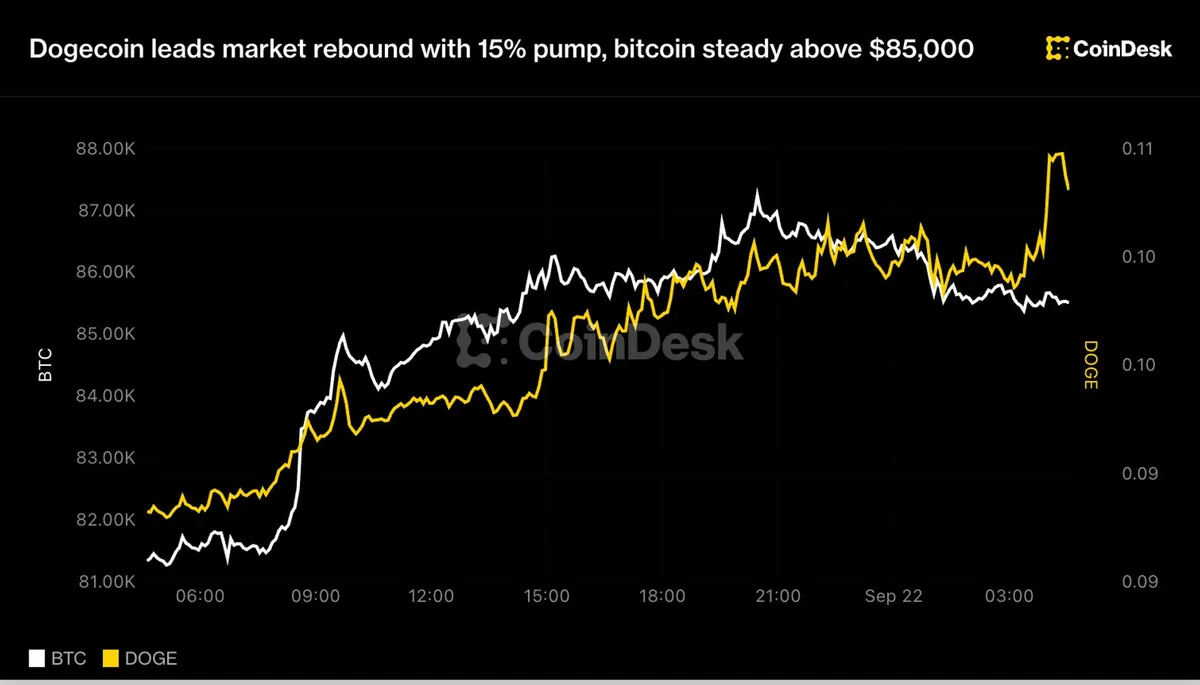
Dogecoin's 15% surge drives market recovery as bitcoin stabilizes above $85,000

Cardano adds tools for AI agent payments, joining Solana and XRP Ledger

Trueo prediction market moves from Base to Ethereum