Base and Ethereum's EIP-8141 collaboration falters on wallet standards
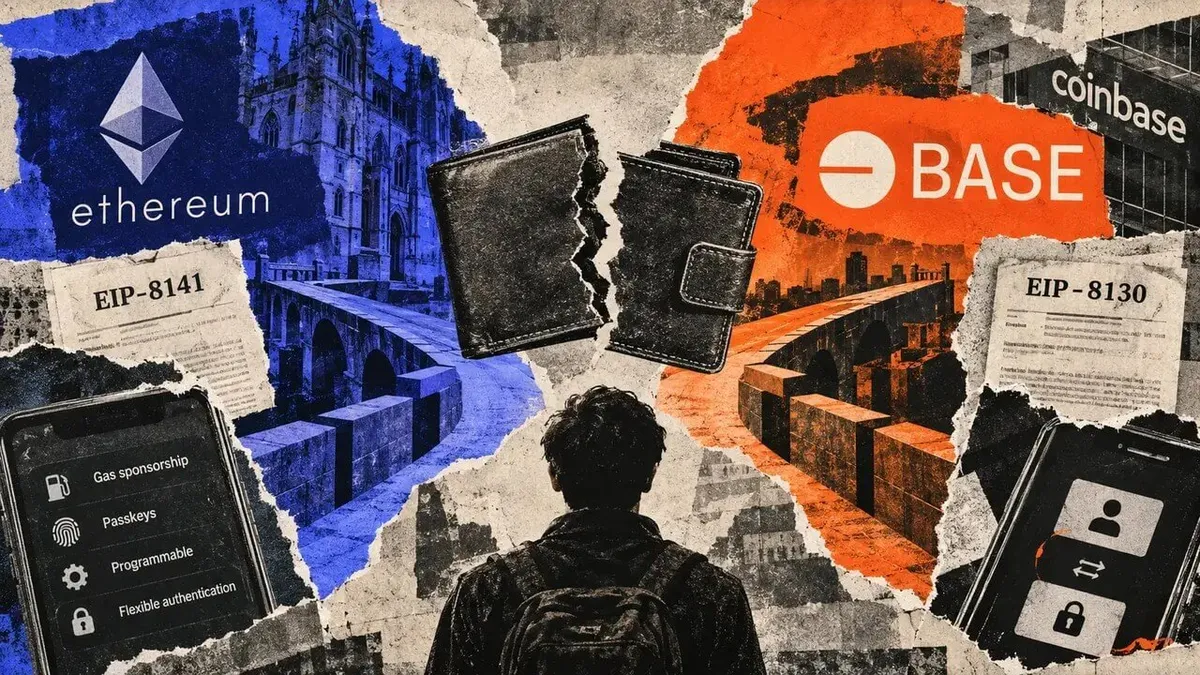
Ethereum and Coinbase-backed layer-2 network Base have recently faced a setback in their collaborative efforts to establish a unified standard for the next generation of crypto wallets. On September 14, Ethlabs researcher Derek Chiang disclosed that discussions between developers working on Ethereum’s EIP-8141 Frame Transactions and Base’s EIP-8130 have collapsed. This breakdown occurred after multiple attempts to create a shared account-abstraction standard proved unsuccessful, revealing significant challenges within the Ethereum ecosystem's layer-2 landscape.
The context of this breakdown is rooted in the evolving landscape of Ethereum's layer-2 solutions, which aim to improve scalability and reduce transaction costs. EIP-8141 and EIP-8130 represent different approaches to account abstraction–an essential feature that could potentially streamline user interactions with decentralized applications. The inability to reach consensus on a unified standard underscores the fragmentation that currently exists among various layer-2 solutions and the difficulties developers face in aligning their visions for the future of Ethereum wallets.
This news carries substantial implications for the broader market, particularly for Ethereum and its layer-2 solutions. The lack of a cohesive strategy for wallet development may hinder user adoption and limit the potential for seamless interactions across various decentralized applications. Investors and stakeholders in the Ethereum ecosystem may view this as a warning sign, reflecting deeper issues in governance and collaboration that could impact the overall growth and usability of Ethereum's layer-2 networks.
Industry reactions have been mixed, with some experts expressing concern about the implications of this breakdown. They argue that without a unified standard, developers might continue to create isolated solutions that do not interoperate well, ultimately stifling innovation. Others, however, see this as a natural part of the development process, suggesting that competition among different proposals could lead to more robust solutions in the long run.
Looking ahead, the situation raises questions about what steps will be taken to foster better collaboration among Ethereum's layer-2 developers. It will be crucial for stakeholders to address these challenges and find common ground to ensure that the ecosystem can evolve effectively. As discussions progress, the outcomes will likely shape the direction of future wallet standards, potentially impacting user experience and adoption rates across the Ethereum network.

CoinMagnetic Team
Crypto investors since 2017. We trade with our own money and test every exchange ourselves.
Updated: September 2026
From our insights:
Related news

Ethereum builders must choose between high cash locks or trusted brokers

Democrats counter GOP’s ‘final’ CLARITY offer ahead of key vote

Robinhood responds to scrutiny with share redemptions and voting rights for stock tokens

Robinhood Chain approaches $1 billion in TVL, fueled by key growth factors

TRON’s quantum strategy risks locking wallets out of key replacements