CME lawsuit challenges whether Kalshi’s Bitcoin leverage push can become an everything-exchange

In a significant development for the cryptocurrency trading landscape, the Chicago Mercantile Exchange (CME) has filed a lawsuit challenging the Commodity Futures Trading Commission's (CFTC) approval of KalshiEX's Bitcoin Perpetual (BTCPERP) contract. This contract, which was sanctioned on May 29, allows traders to speculate on the price of Bitcoin without an expiration date and offers leverage that can be as high as 50-to-1. Such high leverage, combined with the potential for automatic liquidation during volatile market movements, raises concerns about risk management and market stability–issues that the CME is keen to address through this legal action.
Understanding the context behind this lawsuit requires a look at both Kalshi's innovative approach and the regulatory environment. Kalshi, a relatively new player in the derivatives market, aims to create an “everything-exchange” where users can trade on a variety of events and outcomes, including cryptocurrencies. The approval of the BTCPERP contract marks a significant step in this direction, potentially allowing retail and institutional traders alike to engage with Bitcoin in a new way. However, this also places Kalshi in direct competition with established exchanges like the CME, which have a vested interest in maintaining market integrity and mitigating systemic risks.
The implications of this lawsuit for the broader cryptocurrency market could be profound. If Kalshi's contract is upheld, it could pave the way for more innovative financial products within the crypto space, potentially attracting greater participation from mainstream investors. On the flip side, if the CME prevails, it may reinforce existing regulatory frameworks that could stifle innovation. As the crypto market is highly sensitive to regulatory news, the outcome of this case could influence market sentiment and trading behavior in the near future.
Industry reactions to the lawsuit have been mixed. Some experts argue that the high leverage associated with Kalshi's BTCPERP contract could lead to significant market volatility, echoing concerns raised by the CME in its legal filing. Others support Kalshi's initiative, emphasizing that innovation in product offerings is essential for the evolution of the cryptocurrency market. The debate highlights a fundamental tension between fostering innovation and ensuring market stability, a theme that is becoming increasingly prominent as the regulatory landscape evolves.
Looking ahead, this lawsuit could set important precedents for the future of cryptocurrency derivatives trading. If the court rules in favor of Kalshi, it may encourage other exchanges to introduce similar products, further blurring the lines between traditional finance and the burgeoning world of digital assets. Conversely, a ruling in favor of the CME could lead to stricter regulations that shape the development of crypto financial products. As the case unfolds, all eyes will be on the implications it may hold for the market and the broader ecosystem.

CoinMagnetic Team
Crypto investors since 2017. We trade with our own money and test every exchange ourselves.
Updated: June 2026
From our insights:
Related news

Bitcoin's weekly close above $81,000 signals potential rise to $90,000

Elon Musk's X integrates bitcoin trading options for U.S. users
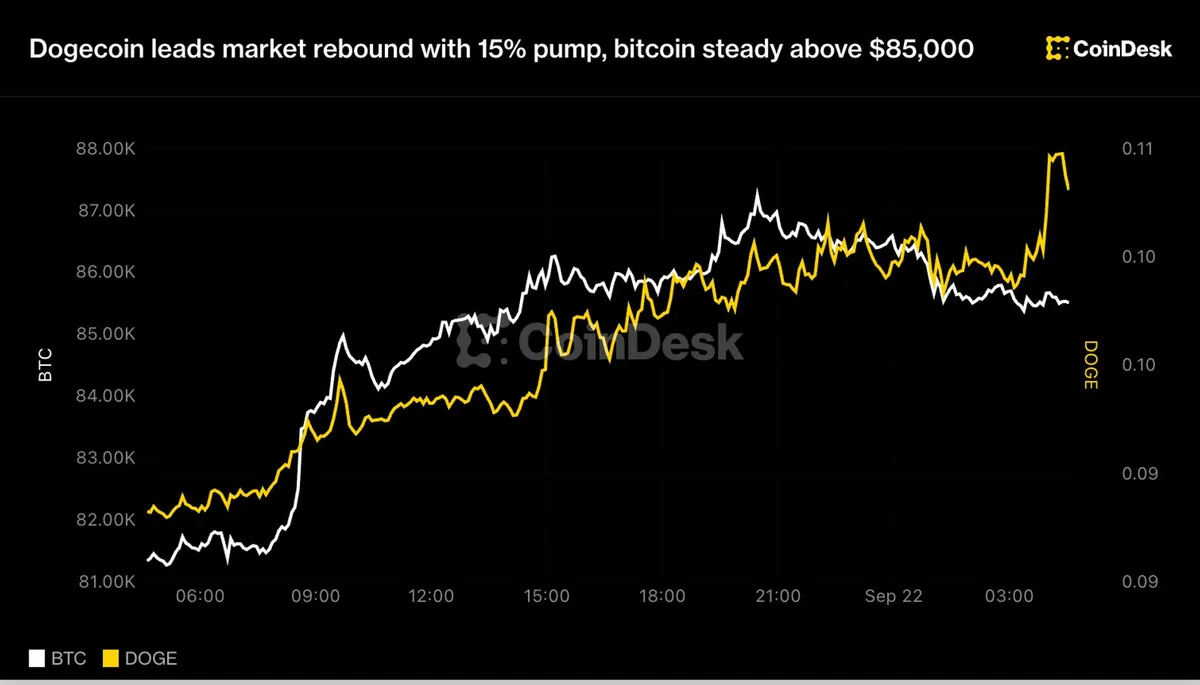
Dogecoin's 15% surge drives market recovery as bitcoin stabilizes above $85,000

Cardano adds tools for AI agent payments, joining Solana and XRP Ledger

Trueo prediction market moves from Base to Ethereum