CME is letting traders bet on bitcoin volatility, not price, and two firms have already placed bets
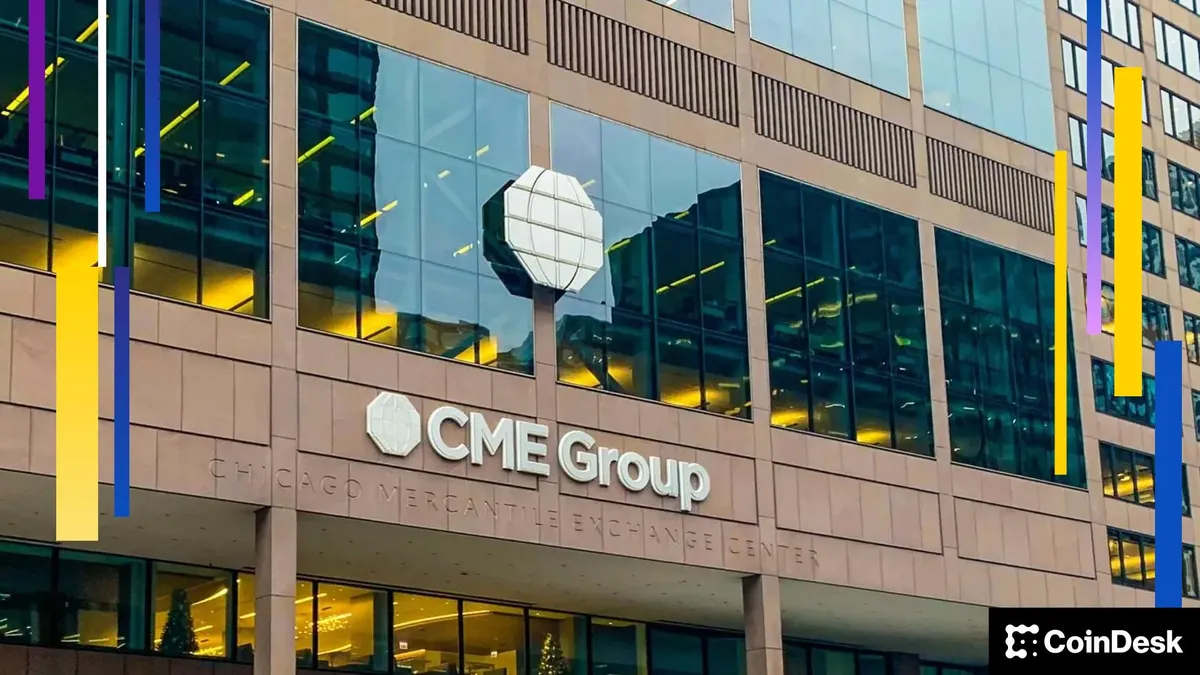
The Chicago Mercantile Exchange (CME) has launched a new product that allows traders to bet on bitcoin's volatility rather than its price. This innovative approach enables investors to engage with the cryptocurrency market in a different way, focusing on the fluctuations and unpredictability of bitcoin rather than its direct value. Monarq and DV Chain have already taken the plunge, initiating trades in the newly introduced bitcoin volatility index futures. This move marks a significant development in the financial instruments available for crypto traders and could pave the way for more sophisticated trading strategies.
Historically, the CME has been at the forefront of cryptocurrency derivatives, introducing bitcoin futures in 2017, which helped to institutionalize the asset class. The introduction of volatility index futures represents a natural evolution in response to growing interest in bitcoin and its price behavior. As the market matures, traders are increasingly looking for ways to hedge their risks and capitalize on the inherent volatility of cryptocurrencies. The CME’s latest offering aligns well with this trend, providing a mechanism for traders to speculate on price swings without directly betting on the asset itself.
This new product carries significant implications for the broader market. Volatility has been a defining characteristic of bitcoin, with dramatic price swings presenting both opportunities and risks for traders. By allowing speculation on volatility, the CME could attract a new segment of traders who might have been hesitant to invest directly in bitcoin due to its unpredictable nature. If successful, this could lead to increased trading volume and liquidity in the bitcoin market, further legitimizing cryptocurrencies as a viable asset class for both institutional and retail investors.
Industry experts have responded positively to the introduction of bitcoin volatility index futures. Analysts believe that this product will not only enhance risk management strategies for traders but also contribute to a more stable market environment. By providing tools to hedge against volatility, the CME is catering to both risk-averse investors and those looking to profit from market fluctuations. Furthermore, this innovation reflects a growing acceptance of cryptocurrency as a legitimate and integral part of the financial ecosystem.
Looking ahead, the success of CME's bitcoin volatility index futures could inspire other exchanges to develop similar products, fostering competition and innovation in the crypto derivatives market. As more firms engage with these instruments, we may see a shift in how traders approach their strategies, ultimately leading to a more sophisticated and mature market. The potential for increased institutional participation in cryptocurrency trading could also spur further regulatory discussions, shaping the future landscape of digital asset trading.

CoinMagnetic Team
Crypto investors since 2017. We trade with our own money and test every exchange ourselves.
Updated: June 2026
From our insights:
Related news
Iran hints at reopening Strait of Hormuz, WTI oil drops to $89

New altseason signal emerges as Bitcoin market cap stays under 60%

Bitcoin nears $86,000 as crypto market cap surpasses $3 trillion

Bitcoin's weekly close above $81,000 signals potential rise to $90,000

Elon Musk's X integrates bitcoin trading options for U.S. users