CME, ICE push U.S. regulators to scrutinize Hyperliquid over manipulation risks
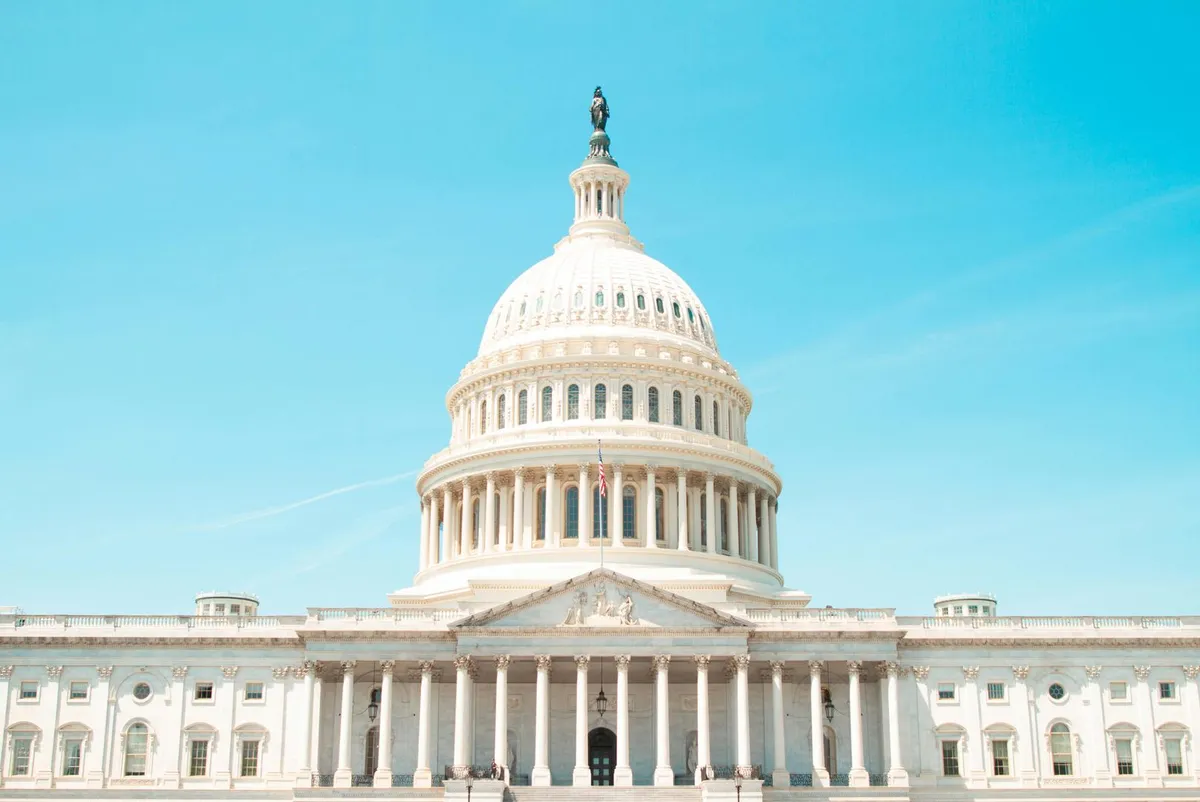
The CME Group and Intercontinental Exchange (ICE) have raised serious concerns regarding Hyperliquid, a decentralized perpetual futures platform, prompting them to urge U.S. regulators to take a closer look at its operations. In communications with the Commodity Futures Trading Commission (CFTC) and Capitol Hill officials, both organizations have highlighted the potential risks associated with market manipulation and the possibility of facilitating sanctions evasion through such platforms. Their warnings suggest that the decentralized nature of Hyperliquid might make it easier for bad actors to exploit the system, raising alarms about the integrity of the broader crypto market.
To understand the gravity of this situation, it is essential to consider the current regulatory landscape for cryptocurrency exchanges and trading platforms. The CFTC has been increasingly active in scrutinizing digital assets, especially following high-profile incidents of fraud and manipulation that have marred investor confidence. As decentralized finance (DeFi) platforms gain traction, the challenge for regulators lies in keeping pace with the rapid evolution of these technologies while ensuring that adequate safeguards are in place to protect investors and maintain market integrity.
The implications of these warnings are significant for the cryptocurrency market, particularly for platforms operating in the decentralized space. If regulators respond to the concerns raised by CME and ICE, there could be increased scrutiny and potential regulatory actions targeting Hyperliquid and similar platforms. This could lead to a chilling effect on innovation within the DeFi sector as startups may face heightened compliance requirements, which could stifle growth and deter investment in this burgeoning area of finance.
Industry reactions to the news have been mixed. Some experts argue that the concerns raised by CME and ICE are valid, emphasizing the historical challenges associated with market manipulation in cryptocurrency markets. Others, however, caution against overregulation that could hinder the benefits and efficiencies that decentralized platforms offer. They advocate for a balanced approach that protects investors while still allowing for innovation and the development of new financial products in the crypto space.
Looking ahead, it remains to be seen how U.S. regulators will respond to these warnings. The CFTC is likely to conduct its own investigations into Hyperliquid, assessing the validity of the claims made by CME and ICE. Depending on the findings, we might see new guidelines or rules that govern decentralized trading platforms, which could fundamentally alter the operational landscape for these entities. As the situation develops, stakeholders across the crypto ecosystem will be closely monitoring the response from regulators and the potential consequences for the market as a whole.

CoinMagnetic Team
Crypto investors since 2017. We trade with our own money and test every exchange ourselves.
Updated: May 2026
From our insights:
Related news

Bernstein revises prediction markets to $10 trillion by 2035, up from $1 trillion
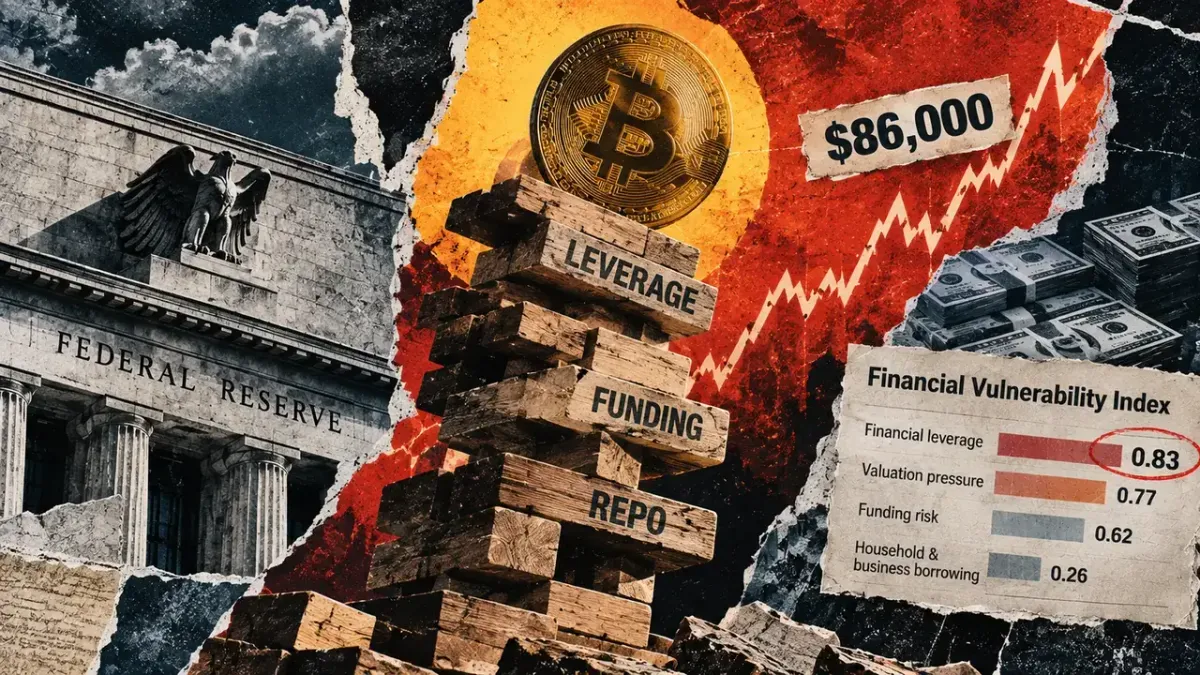
New Fed data reveals potential dangers in Bitcoin's rally
Anthropic’s New Claude Opus 5.5 Matches Fable at 60% the Price

Elon Musk's influence drives Dogecoin to highest price in months

Aave's plan could expose Bitcoin loans to 4.7% price dips with higher leverage