CFTC meeting reveals sharp divide between traditional finance and prediction markets
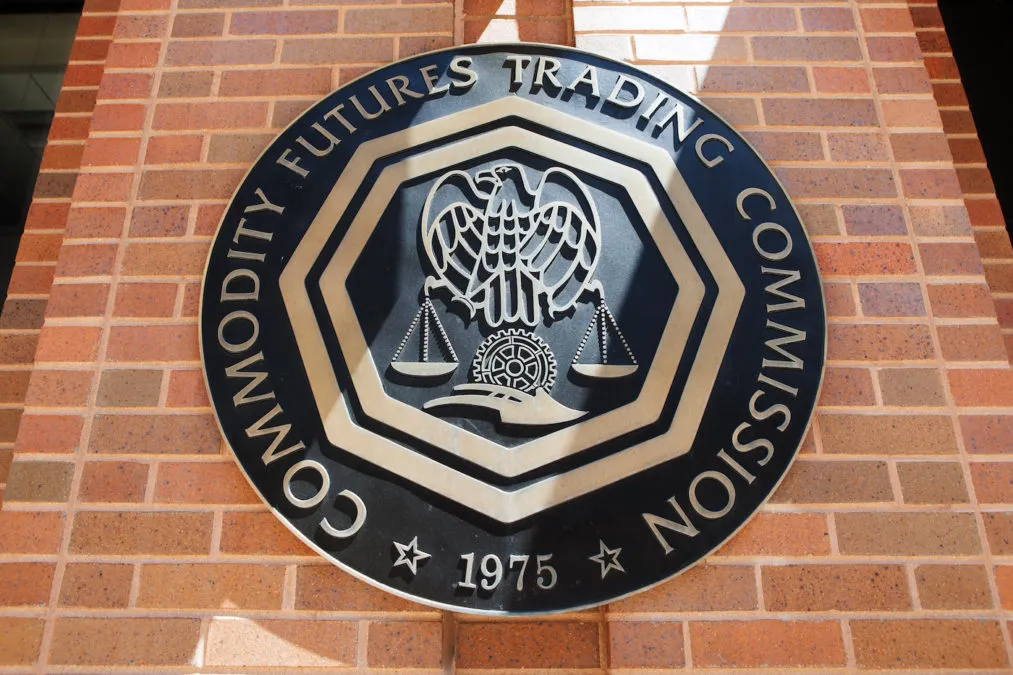
During a recent Commodity Futures Trading Commission (CFTC) committee meeting, CME Group CEO Terrence Duffy engaged in a heated exchange with CFTC officials and Kalshi’s COO, highlighting the growing tensions surrounding the regulation of prediction markets. Duffy criticized the CFTC’s oversight of these platforms, arguing that the agency's approach could stifle innovation and competition in an emerging sector. This confrontation brought to the forefront the differing views on how prediction markets should be regulated compared to traditional finance, with Duffy advocating for a more flexible regulatory framework that encourages growth.
The backdrop of this debate is the rapid evolution of prediction markets, which allow users to speculate on the outcomes of various events, from elections to economic indicators. As these platforms gain popularity, they are increasingly seen as competitors to traditional financial instruments. The CFTC’s role in regulating these markets is a subject of intense discussion, especially as the lines between conventional trading and innovative prediction markets continue to blur. The differing perspectives of Duffy and CFTC officials underscore the complexities involved in establishing appropriate regulatory measures.
This exchange is significant for the market as it raises crucial questions about the future of prediction markets in the broader financial ecosystem. If the CFTC opts for stringent regulations, it could limit the growth potential of these platforms and deter new entrants from innovating in this space. Conversely, a more accommodating regulatory approach could foster a thriving market that attracts investment and encourages participation, ultimately benefiting consumers and traders alike.
Industry reactions to this exchange have been mixed, with some experts supporting Duffy’s call for a lighter touch from regulators, arguing that overregulation could stifle innovation and limit competition. Others, however, emphasize the need for oversight to protect consumers and ensure market integrity. The differing opinions highlight the ongoing struggle to balance innovation with regulation, a challenge that is not unique to prediction markets but prevalent across the entire financial industry.
Looking ahead, the outcome of this debate could shape the regulatory landscape for prediction markets significantly. As the CFTC continues to evaluate its approach, stakeholders will be keenly watching the implications for both existing platforms and potential new entrants. The decisions made in this context will likely set a precedent for how similar markets are treated in the future, potentially influencing the trajectory of innovation within the financial sector.

CoinMagnetic Team
Crypto investors since 2017. We trade with our own money and test every exchange ourselves.
Updated: August 2026
From our insights:
Related news

Greenfield Capital seeks Swiss regulator intervention in Safe Ecosystem board dispute

Crypto firms face challenge of user retention after years of product development

Japan imposes sanctions on Garantex for aiding Russia's financial evasion

Crypto job postings triple to over 1,200 in September, but applications fall

AI agents' spending habits require investor attention, says Cathie Wood