Claude Opus 4.8 Review: Better At What’s It Good At, Worse At What It’s Not

The recent review of Claude Opus 4.8 by Decrypt highlights both the strengths and weaknesses of Anthropic's latest AI model. In a series of six tests, the AI demonstrated exceptional performance in mathematical problem-solving and even delivered a flawless gaming experience. However, it also exhibited a significant downside–consuming an entire token quota with just a single prompt, raising concerns about its efficiency and practical usability in real-world applications. This dual nature of the model presents a complex picture for users, making it essential to weigh the benefits against its shortcomings.
To understand the implications of this review, it is important to consider the evolution of AI models leading up to Claude Opus 4.8. Anthropic has positioned itself as a major player in the AI landscape, focusing on creating models that prioritize safety and alignment with human values. The release of Claude Opus 4.8 follows previous iterations aimed at refining performance and user experience. As AI technology continues to advance, the expectations for these models have heightened, leading to intense scrutiny on how they perform across various tasks.
The market reaction to Claude Opus 4.8's review is likely to reflect a mix of optimism and caution. On one hand, the model's ability to excel in specific areas like math and gaming could attract interest from developers and businesses looking to leverage AI for more specialized tasks. On the other hand, the reported inefficiency–especially concerning token consumption–could deter potential users who are mindful of resource management and cost-effectiveness. This dichotomy may lead to a deeper dialogue about the balance between performance capabilities and operational efficiency in AI applications.
Industry experts have weighed in on the implications of this review, noting the importance of continuous improvement in AI models. Some commentators have pointed out that while high-performance benchmarks are essential, they must be accompanied by practical usability to ensure widespread adoption. The feedback surrounding Claude Opus 4.8 serves as a reminder that even advanced AI technologies must address user concerns regarding efficiency and resource management. This may push developers to refine their models further, focusing on optimizing performance without sacrificing practicality.
Looking ahead, it will be interesting to observe how Anthropic responds to the critiques raised by the review. The company may need to consider updates or modifications to enhance Claude Opus 4.8's efficiency, particularly in token management. Additionally, as competition in the AI field intensifies, other players may take note of these findings and adjust their development strategies accordingly. The ongoing evolution of AI models will undoubtedly continue to shape the landscape, influencing both user expectations and industry standards in the process.

CoinMagnetic Team
Crypto investors since 2017. We trade with our own money and test every exchange ourselves.
Updated: June 2026
From our insights:
Related news

Bitcoin surges past $86,000 as $1 billion in shorts are liquidated, eyes on $90,000
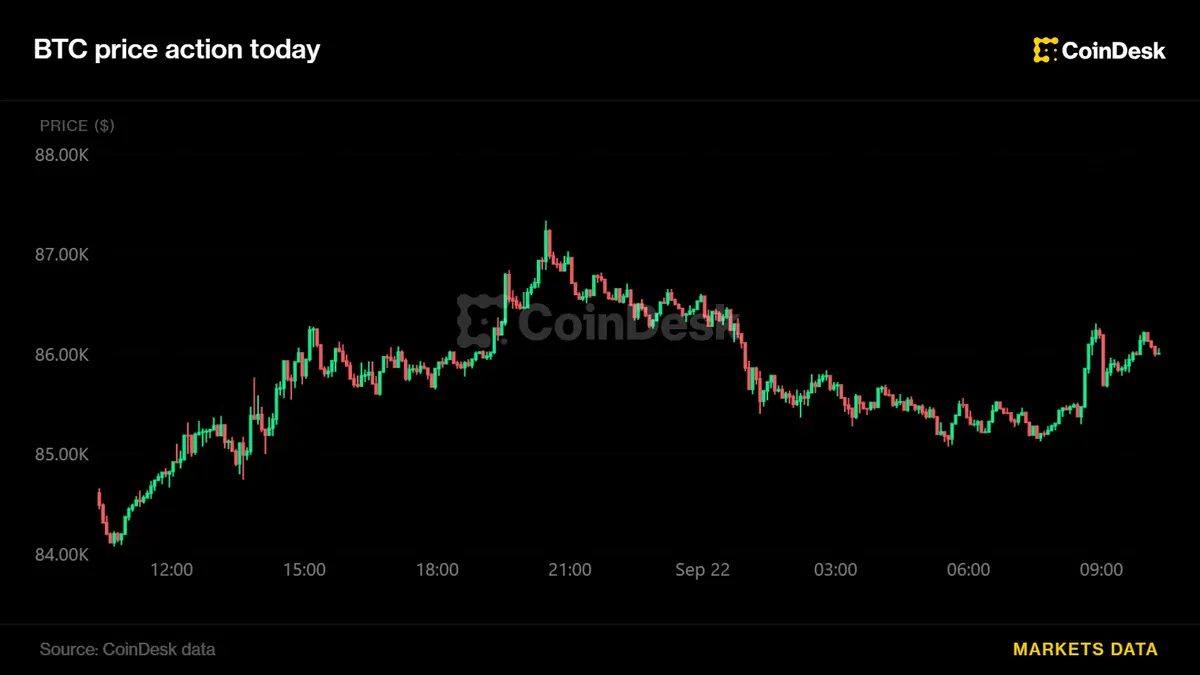
Bitcoin bounces back to $86,000 as oil prices decline and stocks rise

Prediction markets projected to reach $10 trillion by 2035, surpassing sports
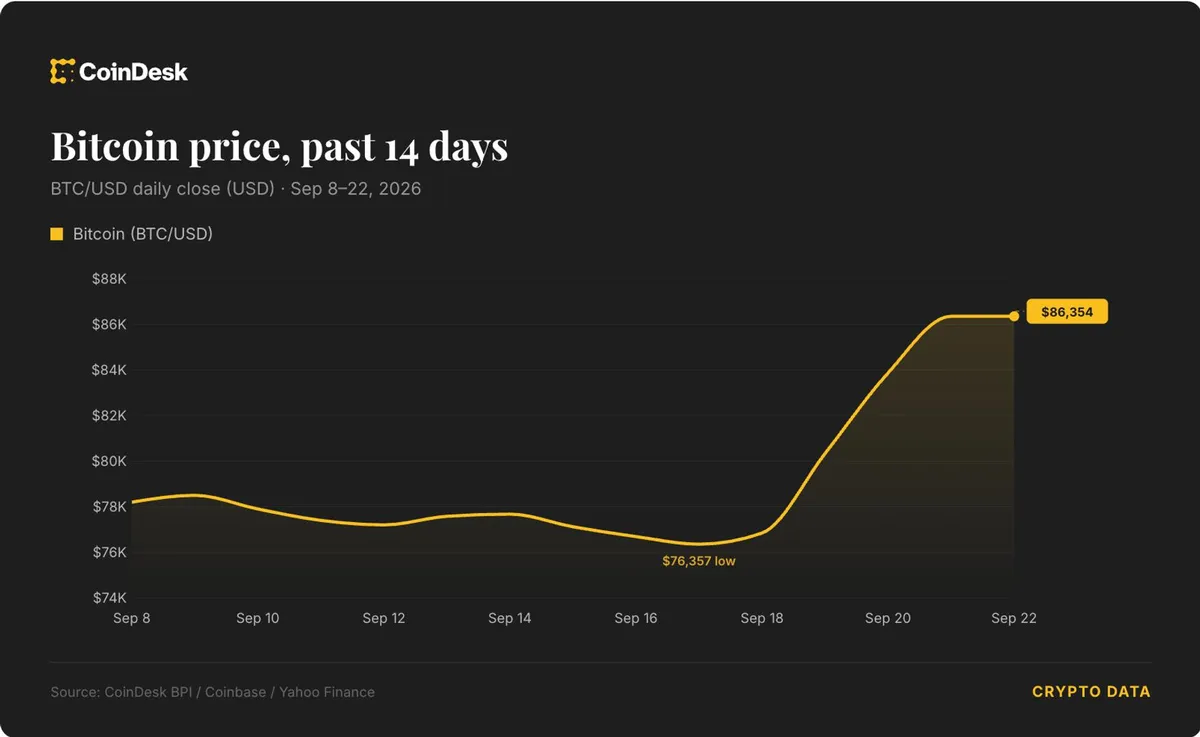
Iran hints at reopening Strait of Hormuz, WTI oil drops to $89

New altseason signal emerges as Bitcoin market cap stays under 60%