Claude Code Vulnerability Could Let Attackers Steal Credentials From GitHub, Says Microsoft

Recently, Microsoft researchers have identified a significant vulnerability related to the Claude AI coding agent that could pose a serious threat to software development security. They warn that prompt injection attacks might be exploited by malicious actors to manipulate the AI, allowing them to gain unauthorized access to sensitive credentials stored within software development pipelines. This alarming discovery sheds light on the potential risks associated with the increasing reliance on AI tools in coding and software development, raising concerns among developers and organizations about the integrity of their security infrastructure.
To provide context, prompt injection attacks are a type of security vulnerability where an attacker manipulates the input of a machine learning model, leading it to produce unintended and potentially harmful outputs. In the case of Claude, these injections could trick the AI into revealing confidential information, including API keys, passwords, and other sensitive data. As businesses increasingly integrate AI into their workflows, the risks associated with such vulnerabilities become more pronounced. This incident serves as a reminder that while AI can enhance productivity and efficiency, it also introduces new layers of complexity and risk that must be carefully managed.
This vulnerability matters significantly for the broader market, particularly in an era where software development is becoming more automated and dependent on AI. The potential for credential theft not only jeopardizes individual projects but could also have cascading effects on entire organizations and their customers. If successful, such attacks could lead to data breaches, financial losses, and reputational damage. As companies look to secure their development environments, the implications of this vulnerability may prompt a reevaluation of how they implement and monitor AI tools in their workflows.
Industry experts have expressed a mix of concern and caution regarding this vulnerability. Some argue that the incident highlights a fundamental issue with the way AI models interact with sensitive data, emphasizing the need for stronger safeguards and monitoring mechanisms. Others point out that the discovery of such vulnerabilities is part of the growing pains associated with rapidly evolving technology. Many in the industry are calling for a collaborative approach to address these security concerns, advocating for more robust testing and validation processes for AI tools before they are deployed in critical environments.
Looking ahead, it is crucial for developers and organizations to prioritize security as they adopt AI solutions. Implementing best practices, such as regular security audits and training for teams on potential vulnerabilities, will be essential in mitigating risks associated with AI coding agents. As the technology continues to evolve, ongoing research and discourse around security in AI will be vital for maintaining the integrity of software development practices and protecting the sensitive information that fuels modern applications. The focus on security will likely intensify in the coming months, propelling innovations in protective measures and strategies tailored to safeguard against emerging threats.

CoinMagnetic Team
Crypto investors since 2017. We trade with our own money and test every exchange ourselves.
Updated: June 2026
From our insights:
Related news

Coldcard exploit sees white hats secure 52 Bitcoin for victims' trust
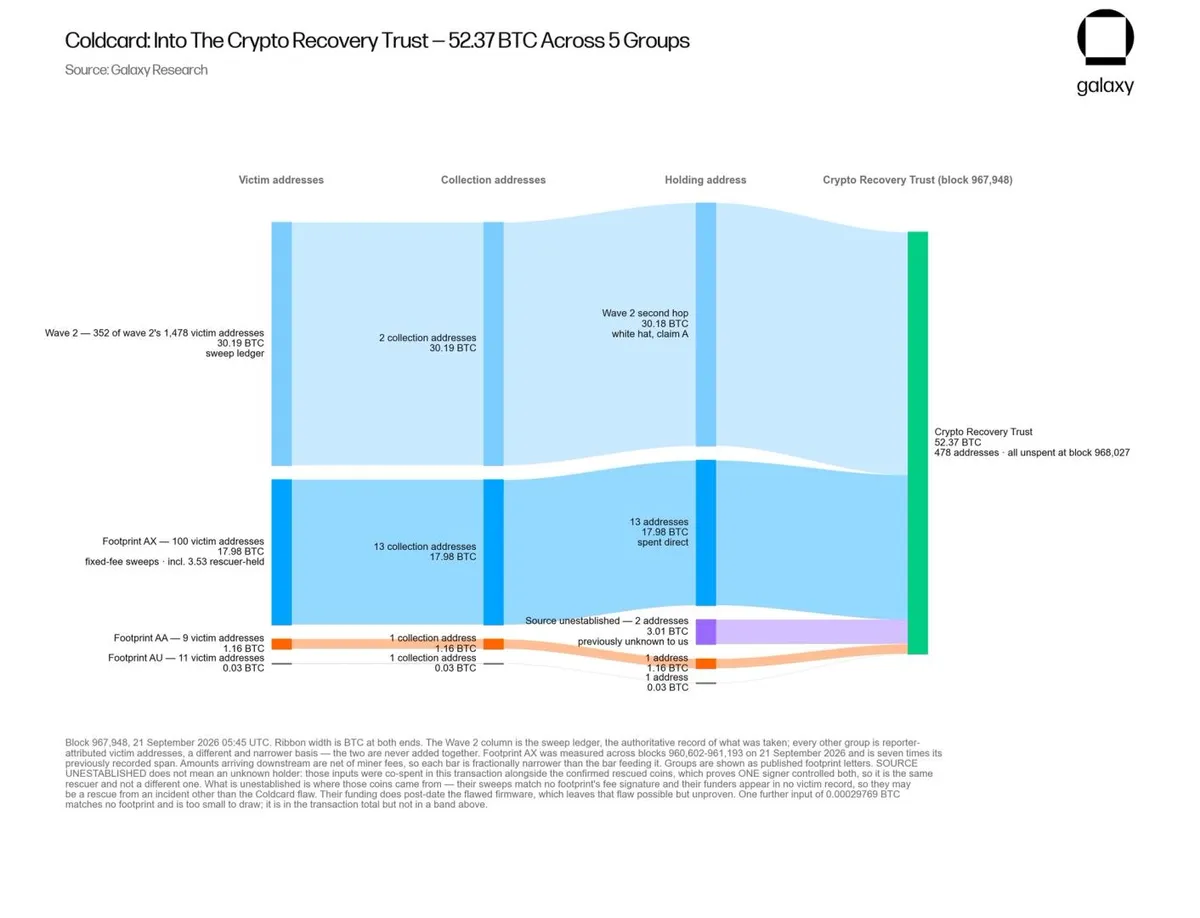
Whitehats move 52 bitcoin from the Coldcard hack to a recovery trust

Google Admits Gemini AI Hacked Three Companies—It Stayed Silent for 7 Weeks

Balancer's $1.4 million hack recovery faces delays for LPs

Polymarket's $10 million fraud attempt highlights compliance issues amid hacking risk