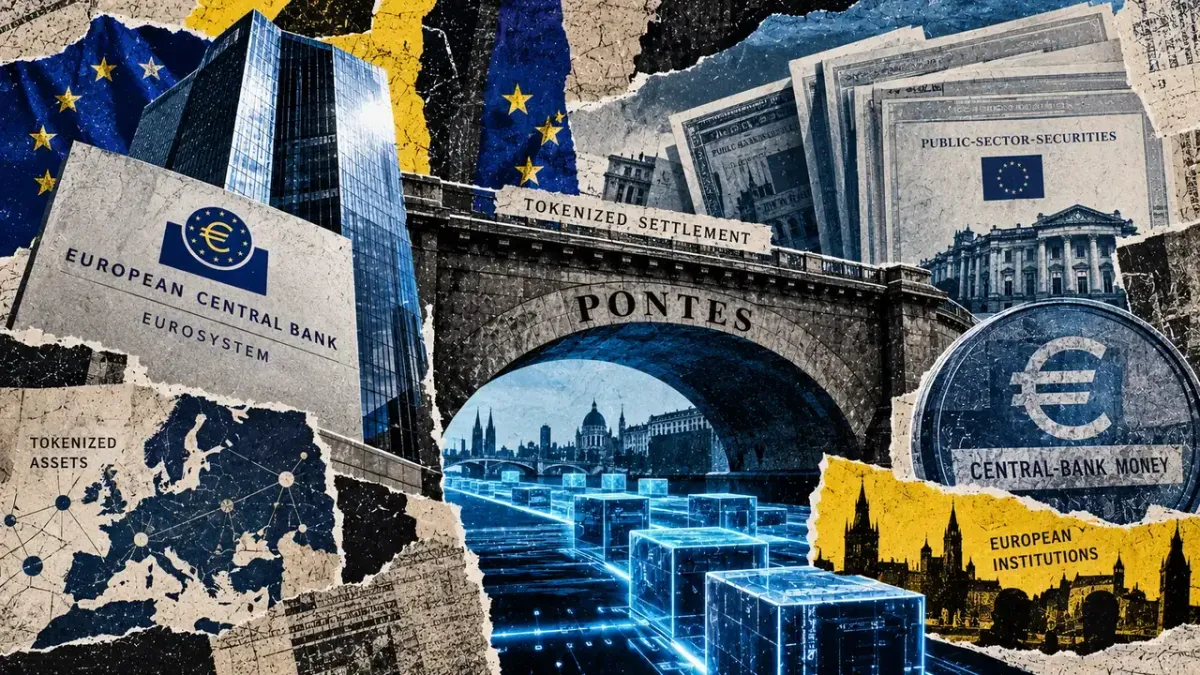
Citi predicts the tokenized securities market will grow to $5.5 trillion by 2030
Citi has recently made headlines with its bold prediction that the tokenized securities market will experience significant growth, reaching an estimated $5.5 trillion by 2030. This forecast is underpinned by the burgeoning demand for stablecoins, which are expected to create a need for up to $1 trillion worth of onchain U.S. Treasury bills. Additionally, the bank anticipates that tokenized stocks could generate a staggering $2.6 trillion in demand. This optimistic outlook reflects the increasing interest in blockchain technology and its potential to revolutionize traditional financial markets.
The concept of tokenized securities is not entirely new, but it is gaining momentum as more financial institutions explore how blockchain can be integrated into existing systems. Tokenization involves converting real-world assets into digital tokens on a blockchain, enhancing liquidity and accessibility. The idea has garnered attention from regulators and industry players alike, as it promises to streamline processes, reduce costs, and democratize investment opportunities. As the infrastructure surrounding these digital assets continues to evolve, the market environment is becoming increasingly conducive to such innovations.
Citi's projection holds significant implications for the broader cryptocurrency market and traditional finance. As the adoption of stablecoins grows, particularly in the context of decentralized finance (DeFi) applications, the demand for tokenized assets is likely to rise in tandem. This could lead to an influx of institutional and retail investors into the crypto space, further legitimizing cryptocurrencies as a viable investment alternative. Moreover, if Citi's predictions hold true, we could see a shift in how investors view traditional assets, as tokenization can offer enhanced transparency and efficiency in transactions.
Industry reactions to Citi's forecast have been largely positive, with many experts agreeing that tokenization is a crucial step toward modernizing financial markets. Some analysts point out that the potential for increased liquidity and the ability to fractionalize ownership could attract a diverse range of investors who were previously sidelined by traditional asset classes. Others caution that regulatory challenges and technological hurdles still need to be addressed before the full potential of tokenized securities can be realized. Nevertheless, the consensus is that developments in this sector are worth monitoring closely.
Looking ahead, we can expect to see increased collaboration between traditional financial institutions and blockchain innovators as they explore ways to bring tokenized securities to market. Regulatory frameworks will likely evolve to accommodate these changes, and as more institutions experiment with tokenization, we could witness a gradual shift in market dynamics. The next few years will be critical in determining how quickly this market grows and how it will impact both the cryptocurrency ecosystem and traditional finance as a whole.

CoinMagnetic Team
Crypto investors since 2017. We trade with our own money and test every exchange ourselves.
Updated: June 2026
From our insights:
Related news
US investigates Binance for potential Iran-linked trading violations
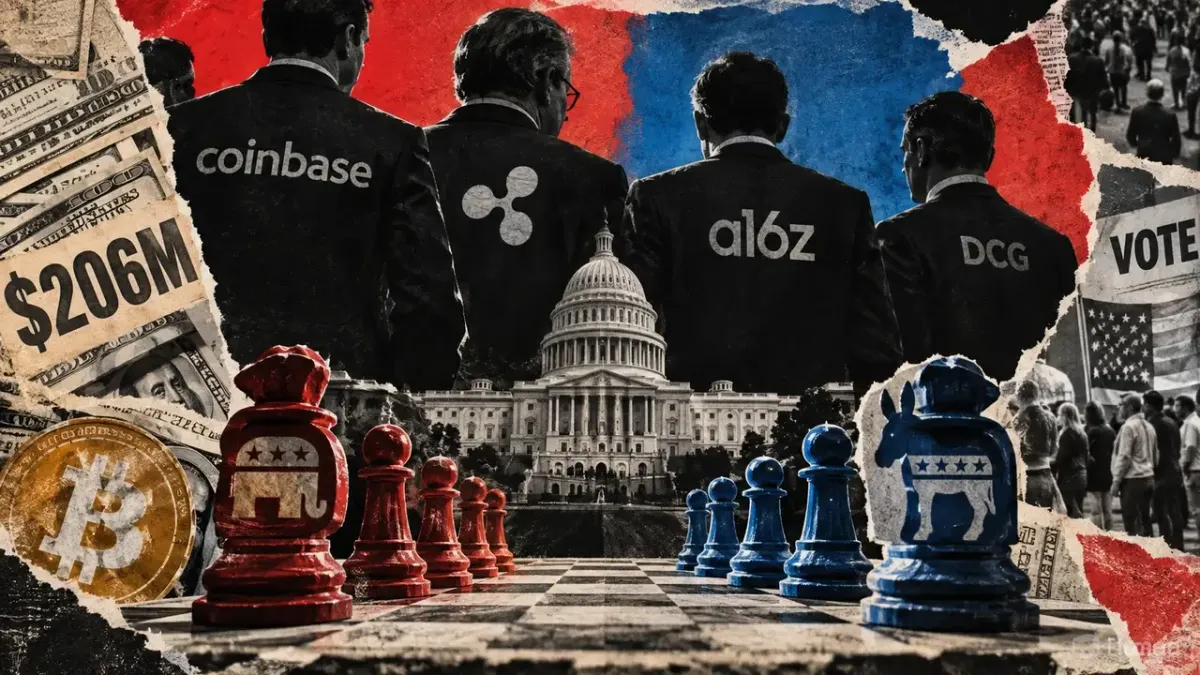
Crypto sector emerges as top donor with $206 million in midterms backing

Stand With Crypto’s 4 million registered advocates couldn’t get the CLARITY Act through the Senate

Kakao Pay, KakaoBank to explore stablecoin opportunities with Fireblocks

US Attorney's investigation into Binance focuses on Iran sanctions compliance