Circle unveils quantum-resistant roadmap for its layer-1 blockchain Arc

Circle has made headlines recently by unveiling a roadmap aimed at making its layer-1 blockchain, Arc, quantum-resistant. This announcement comes at a time when concerns around quantum computing and its potential threat to blockchain security are escalating. By prioritizing quantum resistance, Circle is positioning Arc to withstand the computational power of quantum computers, which could potentially break existing cryptographic algorithms. The roadmap outlines specific steps and technologies that will be employed to enhance Arc’s security, ensuring that it remains robust in the face of emerging quantum threats.
The backdrop to this development is the growing apprehension within the crypto community regarding the capabilities of quantum computers. As technological advancements continue to accelerate, experts predict that the advent of a sufficiently powerful quantum computer–often referred to as "Q-Day"–could render many current cryptographic systems vulnerable. This situation has prompted blockchain projects to reconsider their security protocols and explore solutions that can withstand these future challenges. Circle's proactive approach indicates that they are not only attentive to the current landscape but also forward-thinking in their strategy.
The implications of Circle's initiative for the broader market are significant. A quantum-resistant blockchain could inspire confidence among developers and investors alike, potentially leading to increased adoption of the Arc platform. As more projects and institutions recognize the need for quantum security, Circle's advancements may set a new standard in the industry. Furthermore, as the threat of quantum computing becomes more pronounced, other blockchain platforms may need to follow suit in order to maintain their competitive edge, thereby driving a broader trend towards enhanced security measures in the crypto space.
Industry experts have responded positively to Circle's announcement, emphasizing the importance of preparing for the quantum future. Many see this as a critical step for blockchain technology, which has historically been reactive to emerging threats rather than proactive. Some analysts suggest that Circle's commitment to quantum resistance could distinguish Arc from its competitors, potentially attracting developers who prioritize security in their applications. However, there are also voices of caution, reminding stakeholders that the timeline and feasibility of achieving true quantum resistance are still uncertain and will require significant investment and research.
Looking ahead, the success of Circle's roadmap will depend on the execution of the proposed strategies and the ability to navigate the complexities of quantum cryptography. As the technology evolves, Circle will need to continuously adapt its approach to ensure that Arc remains at the forefront of security measures. Additionally, as other projects respond to this development, we may see a race among blockchain platforms to innovate and safeguard their networks against potential quantum threats, reshaping the landscape of the industry in the process.

CoinMagnetic Team
Crypto investors since 2017. We trade with our own money and test every exchange ourselves.
Updated: April 2026
From our insights:
Related news
ZetaChain votes to shut down Layer 1 network and move ZETA to Solana

Solana reduces block times by 17% with latest upgrade, boosting transaction freshness

Optimism secures upgrade for Superchain to enable interoperability

Solana boosts transaction size by 3x amid surge in network activity
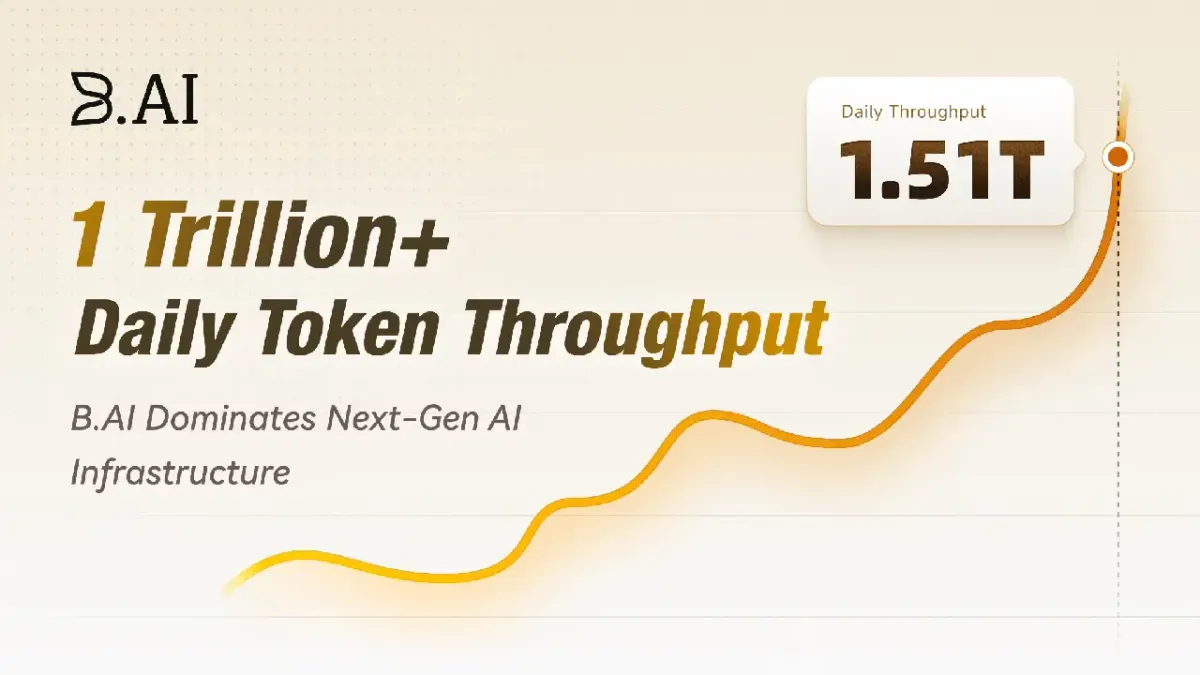
B.AI achieves record 1.51 trillion tokens daily throughput for AI infrastructure