China Imposes Travel Limits on AI Workers at Private Firms: Report
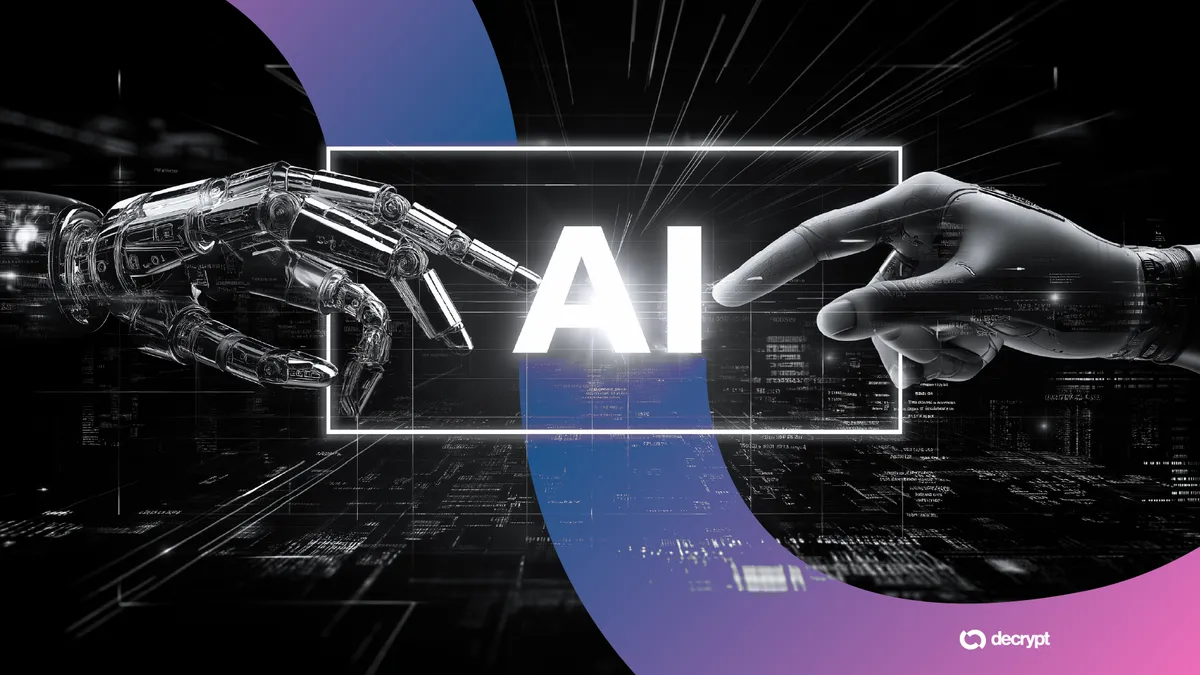
Recent reports indicate that the Chinese government is tightening its grip on the artificial intelligence sector by imposing new travel restrictions on AI professionals working in private firms. According to sources, employees in this field now need to seek approval before traveling abroad, a move that underscores Beijing's increasing oversight of its tech talent. This measure appears to be part of a broader strategy to retain critical skills within the country while safeguarding sensitive information and technology from foreign entities. As the global race for AI supremacy heats up, such regulations are likely to have significant implications for both domestic and international tech dynamics.
The backdrop to this development is China’s ambitious plans to become a global leader in AI by 2030. The government has invested heavily in the sector, viewing advancements in AI as pivotal to economic growth and national security. In recent years, there has been a growing concern regarding the outflow of talent and expertise, which could potentially benefit rival nations. By restricting travel, Beijing aims to keep its skilled workforce closer while also mitigating risks associated with knowledge transfer to foreign competitors. This approach aligns with other measures the Chinese government has taken to control the tech landscape, including increased scrutiny of foreign investments and regulations on data privacy.
These new travel limitations are likely to create ripples in the market, particularly in the global tech ecosystem. For companies relying on cross-border collaboration, access to Chinese AI talent may become more complicated and less predictable. This could lead to delays in projects and innovation cycles, as well as increased costs for companies that might need to invest in local talent development instead. Furthermore, as other countries observe China's approach, it may lead to a more fragmented global landscape in AI development, with nations potentially adopting similar protective measures.
Industry reactions to these developments have been mixed. Some analysts argue that while these restrictions could stifle innovation and collaboration in the short term, they might also prompt a surge in domestic talent cultivation within China. Others express concern that such measures could isolate China from global advancements in AI, ultimately hindering its long-term aspirations. Experts warn that if these travel restrictions persist, they could lead to a talent exodus from China, as professionals seek more favorable environments for career growth.
Looking ahead, it remains to be seen how these travel limitations will evolve and how they will impact the broader tech industry. If the restrictions remain in place, companies may need to adapt their strategies to navigate the changing landscape. Additionally, international stakeholders will closely monitor how these developments affect China's position in the global AI race, as they could inform future policies and collaborations across borders. As the situation unfolds, the interplay between government regulation and market dynamics will be crucial in shaping the future of AI in China and beyond.

CoinMagnetic Team
Crypto investors since 2017. We trade with our own money and test every exchange ourselves.
Updated: May 2026
From our insights:
Related news
US investigates Binance for potential Iran-linked trading violations

Crypto sector emerges as top donor with $206 million in midterms backing
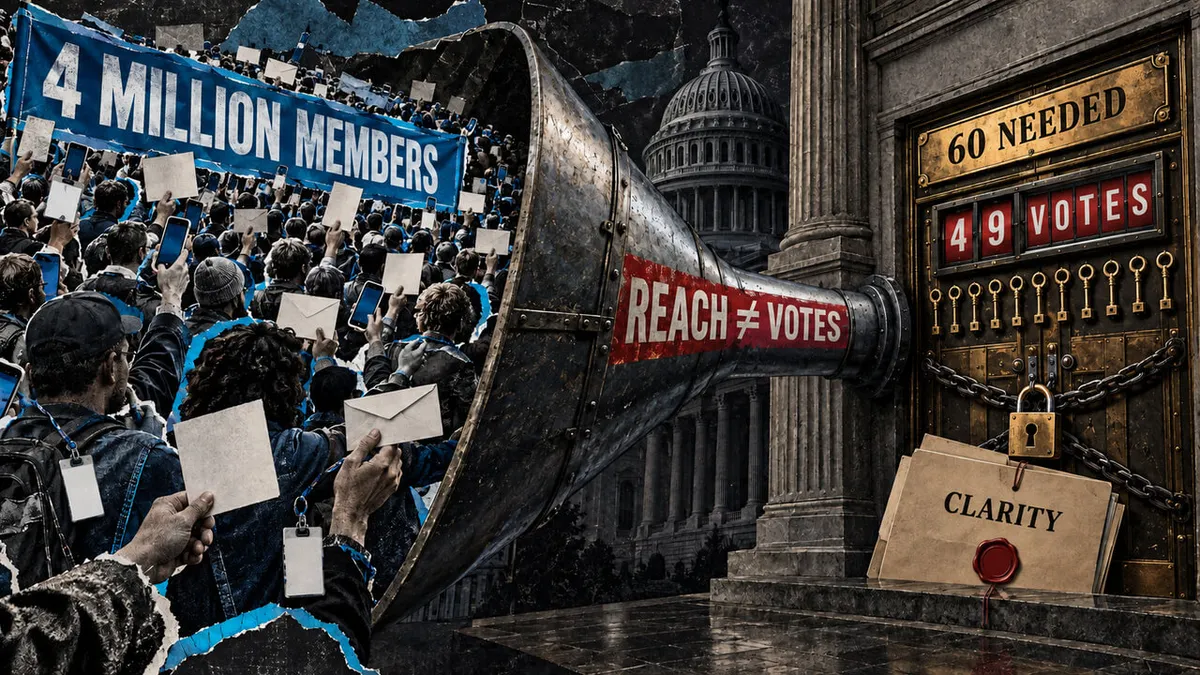
Stand With Crypto’s 4 million registered advocates couldn’t get the CLARITY Act through the Senate

Kakao Pay, KakaoBank to explore stablecoin opportunities with Fireblocks

US Attorney's investigation into Binance focuses on Iran sanctions compliance