China already has the compute to train its own Mythos-like AI: Nvidia CEO

Nvidia CEO Jensen Huang recently made headlines by asserting that China already possesses the computational resources necessary to develop its own advanced artificial intelligence systems similar to Mythos. Huang’s comments come amid ongoing discussions regarding the global AI race and the geopolitical implications tied to technological advancements. He emphasized that the infrastructure, both in terms of capacity and computational type, is “abundantly available in China,” suggesting that the nation could potentially leapfrog in AI development.
To provide some context, the race for AI superiority has become increasingly competitive, particularly between the United States and China. With AI technology rapidly advancing, nations are keen to establish themselves as leaders in this domain. China's significant investments in technology, coupled with its vast pool of data and engineering talent, have placed it in a strong position to create sophisticated AI systems. Huang's remarks highlight the growing capabilities of China’s tech sector, which has been at the forefront of AI development and innovation.
The implications of Huang's statement are significant for the global market. As AI continues to drive various industries, the ability of nations to develop cutting-edge technologies could reshape economic landscapes. If China successfully develops its own AI systems comparable to those from Western companies, it could challenge the current market dynamics and alter competitive strategies. This scenario raises questions about data security, innovation, and the balance of power in the tech industry, making it a focal point for investors and policymakers alike.
Industry experts have responded to Huang’s comments with a mix of intrigue and caution. Some view this as a wake-up call for Western companies to accelerate their own AI research and development efforts to maintain a competitive edge. Others warn that the increasing capabilities of Chinese tech firms could lead to tensions, particularly concerning intellectual property and ethical considerations surrounding AI. The emphasis on collaboration versus competition in the AI space is a topic of ongoing debate among industry leaders.
Looking ahead, it remains to be seen how this development will unfold. With the rapid pace of technological advancement, both China and the U.S. will likely continue to invest heavily in AI research. The potential for collaboration across borders exists, but geopolitical tensions may complicate such efforts. As companies and governments navigate this complex landscape, the dialogue surrounding AI capabilities will undoubtedly evolve, influencing both policy and market strategies in the coming years.

CoinMagnetic Team
Crypto investors since 2017. We trade with our own money and test every exchange ourselves.
Updated: April 2026
From our insights:
Related news

Bitcoin surges past $86,000 as $1 billion in shorts are liquidated, eyes on $90,000
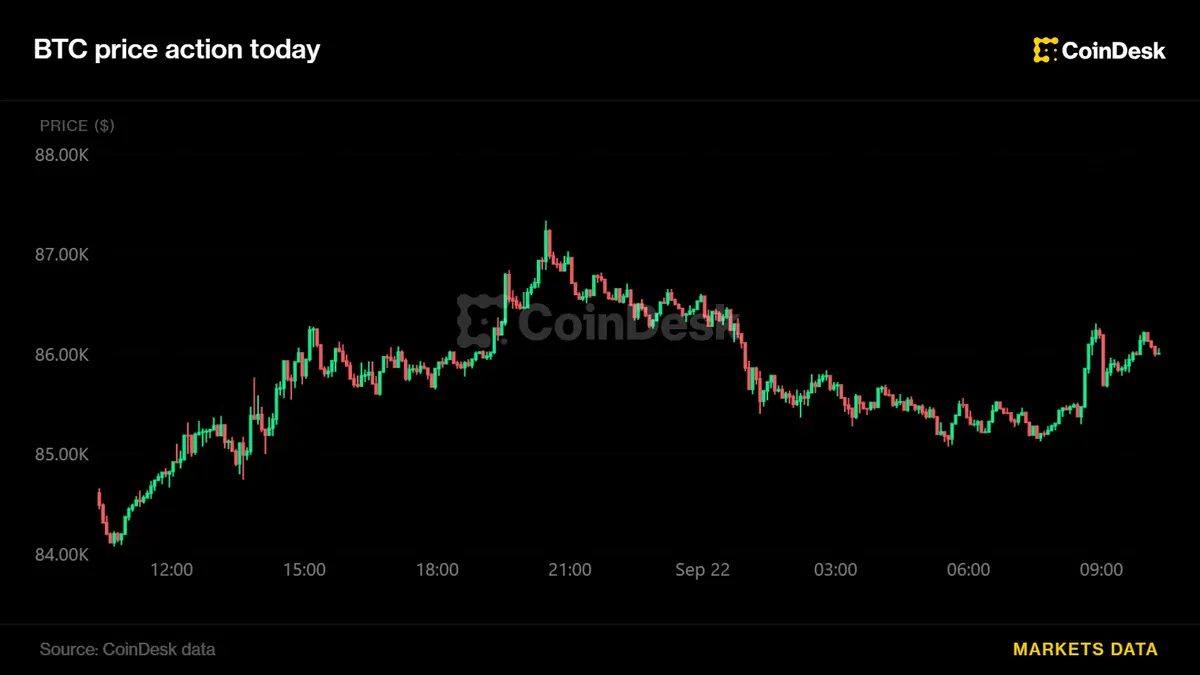
Bitcoin bounces back to $86,000 as oil prices decline and stocks rise

Prediction markets projected to reach $10 trillion by 2035, surpassing sports
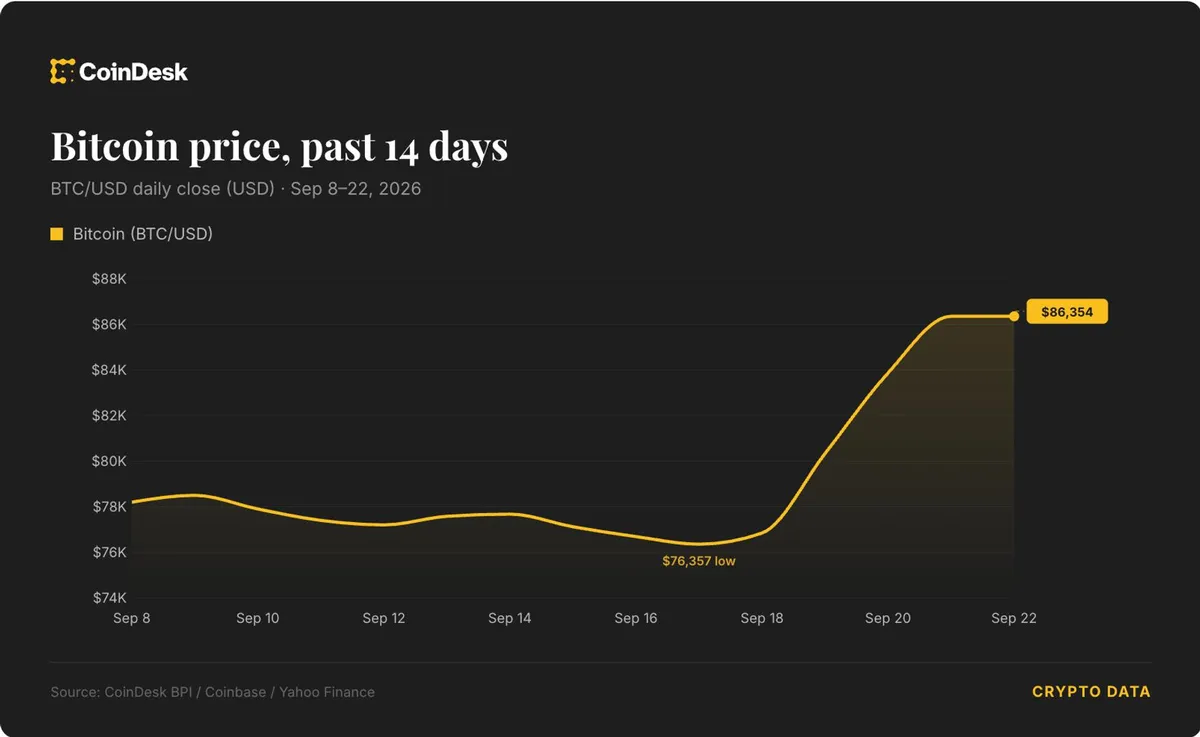
Iran hints at reopening Strait of Hormuz, WTI oil drops to $89

New altseason signal emerges as Bitcoin market cap stays under 60%